



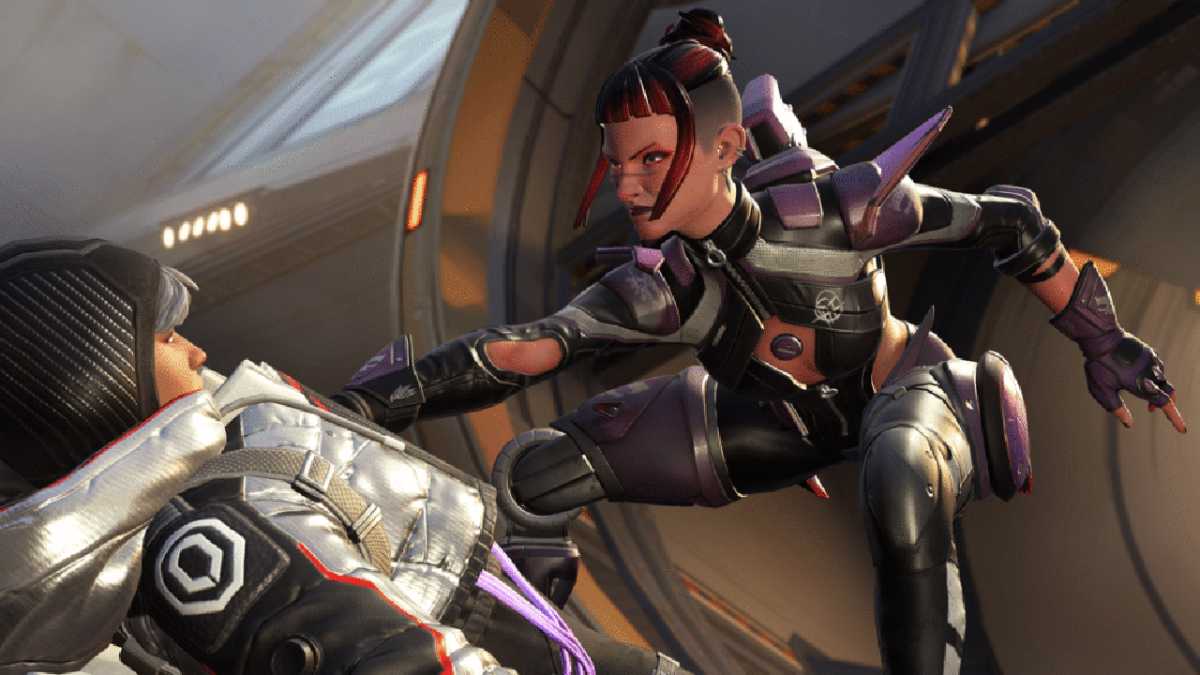
Apex Legends has always been built around speed, clean movement, and fast decision-making, but Respawn may now be facing a new balancing problem. According to Respawn Legend Designer John Larson, the team is looking closely at what he described as possible “movement inflation” after recent changes pushed several Legends further into high-mobility territory.
The concern comes at a time when Axle, Fuse, and Conduit have all added more speed or movement-based power to the meta. Axle arrived in Season 29: Overclocked as a Legend built around sliding, lateral movement, and high-speed playmaking, while Fuse gained access to the Knuckle Jumper upgrade, and Conduit received more ways to keep pace with her team.
Apex Legends’ Movement Meta May Be Getting Too Fast
In a recent interview, Respawn was asked whether Apex Legends is reaching a point where slower Legends and certain playstyles are being left behind. Larson admitted that balancing movement tools is a challenge, especially when Apex’s identity is so closely tied to fluidity and speed.
Larson said Respawn has to add movement in a way that still preserves combat awareness, level design, and the value of other Legend abilities. Apex feels great when movement creates skill expression, but it can quickly become frustrating if mobility becomes so common that slower Legends feel outdated.
Axle Is Not the Only Problem
While Axle is the newest face of this debate, Respawn’s comments suggest the issue is bigger than one Legend. In Season 29, Axle was designed from the ground up as a movement-focused character. Her passive gives her increased speed and control while sliding, and her Nitro Gate can open up fast routes for both teammates and enemies.
However, Fuse and Conduit are also part of the conversation. Larson specifically pointed to Fuse’s Knuckle Jumper upgrade as a movement tool that may be less healthy than Axle’s sliding-based kit. Conduit also received a passive change that gives her additional movement speed when sprinting toward Skirmisher Legends, adding even more pace to a Support character who was already designed to keep up with allies.
“Movement Inflation” in Apex Legends
Movement inflation basically means more and more characters are getting access to speed, repositioning, or mobility tools. On paper, that sounds exciting. In practice, it can create a problem where Legends without strong movement begin to feel weaker, even if their abilities are still useful.
Respawn seems aware of that risk, with Larson saying players should “expect some cleanup soon” as the team evaluates who may be falling behind after Axle’s release.
Respawn Is Already Planning Adjustments
The good news for players who are worried about the current meta is that Respawn is not ignoring the issue. Larson’s comments make it clear that adjustments are coming, although the studio has not yet shared exact nerfs, buffs, or timing.
So, Axle, Fuse, and Conduit could all be looked at in some form, but it could also mean buffs for slower Legends instead of direct nerfs to faster ones. Respawn may decide that the better solution is not simply slowing everyone down, but making sure defensive and slower playstyles still have meaningful counterplay in a faster Apex environment.
Apex Legends Is Entering a Big Balance Test
Season 29: Overclocked was clearly designed around momentum. EA’s own Season 29 overview describes the update as a shift toward speed-driven competitive design, with movement and map mastery becoming a bigger part of the meta.
In that context, Axle is a natural fit, but it also creates one of Apex’s biggest balance questions in years. How fast can Apex Legends become before older or slower Legends start feeling left behind?