

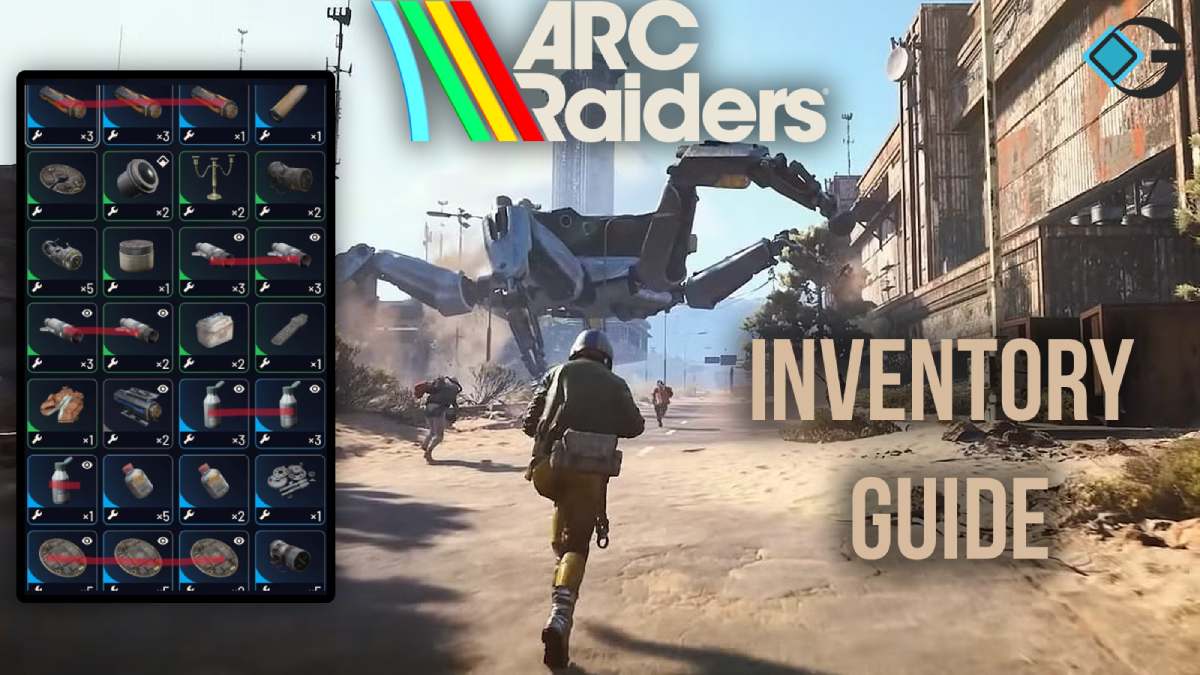
In the intense surface raids of ARC Raiders, your choices in gear are as crucial as your combat strategies. In the vast world of Speranza, where dozens of materials, junk items, quest tokens, and upgrade parts are scattered, mastering your inventory management is essential. This guide will clearly outline what items to loot, what to retain for your progression, what to sell, and what to recycle, allowing you to concentrate on survival and upgrades rather than cluttering your stash.
What to Loot
During raids, your main objective is to collect items that will assist you in two key areas: missions/projects, which are seldom time-sensitive, and crafting/upgrades. Loot comes in containers, from defeated robots, and in environmental caches, so your task is to determine what’s worth bringing back. Here are the key categories to prioritise:
- Quest & Project items: Items like the Leaper Pulse Unit, Rocketeer Driver, Power Rod, or Surveyor Vault are flagged as “keep” items because they appear in quest or project lists.
- Crafting / Workshop materials: Items such as Advanced Electrical Components, ARC Alloy, Wires, and Durable Cloth are often required to upgrade your workstations, gear bench, and companion Scrappy.
- Useful consumables/upgrades: Batteries, sensors, and other mid-tier parts that enable deeper progression should also stay in your inventory.
Tip: If you’re about to extract, always check if you have space left, as noted, inventory fill-ups are a common problem.
What to Keep
From the broader loot pool, these are the items you’ll want to hold on to because they have recurring use in either quests, storyline projects, or station upgrades.
Some examples include:
- Leaper Pulse Unit (Epic) — flagged as required for quests/projects.
- Magnetic Accelerator, Exodus Modules — project-specific advanced materials.
- Advanced Electrical Components, ARC Alloy, Durable Cloth, Wires, Steel Spring — regular materials used in multiple systems.
Maintain a mental or written inventory of the workstations you focus on, such as Gunsmith or Explosives Station, to keep track of the materials you plan to reuse. Once you’ve successfully navigated the entire upgrade path and find that the item is no longer needed, it’s time to reassess your options for keeping or discarding it.
What to Sell
At times, the smartest move is to turn your items into credits through selling, especially when you find yourself with duplicate materials or have no intention of using them for future upgrades.
Here are typical items to sell:
- Trinkets or unique junk items that aren’t flagged for missions/projects (e.g., Rubber Duck, certain household items)
- Common duplicates of materials you already have in surplus
Before you sell, double-check the crafting/workshop requirements. Some “junk” may still be required for side-projects.
What to Recycle
Recycling is your method for deconstructing items into fundamental materials such as metal, plastic, rubber, and chemicals. By recycling, you can clear out inventory space and gain a valuable supply of crafting materials. However, proceed with caution: in certain cases, recycling may offer fewer credits than selling, so make your choices carefully.
Items flagged for safe recycling include:
- ARC Coolant, ARC Synthetic Resin, ARC Flex Rubber, ARC Performance Steel — items listed in recycling tables.
- Other low-value/low-use items like Camera Lens, Candle Holder, Crumpled Plastic Bottle.
Important tip: Recycling is done in base (Speranza), as you cannot recycle mid-raid.
Also, if you’re running low on certain crafting materials, pick recycling over selling. If you have excess materials but need credits, sell instead.
Quick Checklist Table
Here’s a table-format list of notable loot items in ARC Raiders, grouped under Keep, Sell, and Recycle categories. Use this as a reference, but keep in mind: some items may gain new uses in future updates, so exercise some caution.
| Item | Category |
|---|---|
| Leaper Pulse Unit | Keep |
| Power Rod | Keep |
| Rocketeer Driver | Keep |
| Surveyor Vault | Keep |
| Antiseptic | Keep |
| Hornet Driver | Keep |
| Syringe | Keep |
| Wasp Driver | Keep |
| Water Pump | Keep |
| Snitch Scanner | Keep |
| Magnetic Accelerator | Keep |
| Exodus Modules | Keep |
| Advanced Electrical Components | Keep |
| Humidifier | Keep |
| Sensors | Keep |
| Cooling Fan | Keep |
| Battery | Keep |
| Light Bulb | Keep |
| Wires | Keep |
| Durable Cloth | Keep |
| Steel Spring | Keep |
| ARC Alloy | Keep |
| Rubber Parts | Keep |
| Metal Parts | Keep |
| Accordion | Recycle / Sell |
| Alarm Clock | Recycle / Sell |
| ARC Coolant | Recycle |
| ARC Flex Rubber | Recycle |
| ARC Performance Steel | Recycle / Sell |
| ARC Synthetic Resin | Recycle |
| ARC Thermo Lining | Recycle |
| Bicycle Pump | Recycle / Sell |
| Broken Flashlight | Recycle |
| Broken Guidance System | Recycle |
| Broken Handheld Radio | Recycle |
| Broken Taser | Recycle |
| Burned ARC Circuitry | Recycle |
| Camera Lens | Recycle |
| Candle Holder | Recycle |
| Coolant | Recycle |
| Cooling Coil | Recycle |
| Crumpled Plastic Bottle | Recycle |
| Deflated Football | Recycle |
| Diving Goggles | Recycle |
| Dried-Out ARC Resin | Recycle |
| Expired Respirator | Recycle |
| Frying Pan | Recycle |
| Garlic Press | Recycle |
| Headphones | Recycle |
| Household Cleaner | Recycle |
| Ice Cream Scooper | Recycle |
| Impure ARC Coolant | Recycle |
| Industrial Charger | Recycle |
| Industrial Magnet | Recycle |
| Metal Brackets | Recycle |
| Number Plate | Recycle |
| Polluted Air Filter | Recycle |
| Portable TV | Recycle |
| Projector | Recycle |
| Radio | Recycle |
| Remote Control | Recycle |
| Ripped Safety Vest | Recycle |
| Rubber Pad | Recycle |
| Ruined Accordion | Recycle |
| Ruined Baton | Recycle |
| Ruined Handcuffs | Recycle |
| Ruined Parachute | Recycle |
| Ruined Riot Shield | Recycle |
| Ruined Tactical Vest | Recycle |
| Rusted Bolts | Recycle |
| Rusty ARC Steel | Recycle |
| Spotter Relay | Recycle |
| Spring Cushion | Recycle |
| Tattered ARC Lining | Recycle |
| Tattered Clothes | Recycle |
| Torn Blanket | Recycle |
| Turbo Pump | Recycle |
| Water Filter | Recycle |
Important caveats:
- Even many “keep” items are also used in the late‐game “Expedition Project” (prestige/reset) system, so if you’re planning to do that, you might want to hold onto even some of those “recycle” candidates.
- Inventory space is limited: you should still prioritise high-value items and ensure you have room to extract.
- The definitions of “safe to recycle/sell” may change with future patches.
Final Tips for Efficient Inventory Management
- Merge stacks frequently: As noted by sources, stacks of identical items may consume multiple slots that could be consolidated.
- Keep track of active projects: If you’re mid-upgrade, pause selling/recycling items until the path is complete.
- Use the safe pocket for crucial items: Items you absolutely cannot afford to lose should be kept in your safe pocket, so they survive extraction or death.
- Prioritise space before raid extract: The best loot means little if you can’t carry it out.
- Stay flexible: As game updates roll out, material uses or requirements may change — revisit your “keep” list periodically.
This guide enables you to tackle every raid in ARC Raiders with an organized loot approach, allowing you to spend less time sifting through your stash and more time gearing up, crafting effectively, and conquering the surface runs.