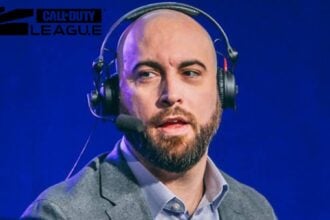



Former Marathon director, Christopher Barrett, announced the news himself on July 8, posting on X that Sony, Bungie, and he had reached an agreement to end the litigation. “The outcome is one I am very satisfied with, and I am grateful to everyone who stood by me,” he wrote. He added that closing this chapter lets him focus on whatever comes next in his gaming career.
As of writing, the exact terms of the settlements were not made public. Neither side disclosed whether there was any monetary payout involved, which is pretty standard for settlements like this. But given how hard Barrett fought and how satisfied he sounds, it is hard to imagine he walked away empty-handed.
Christopher Barrett Settles His Lawsuit Against Sony and Bungie
To understand why this matters, you have to go back to how it started. Barrett was terminated from Bungie in March 2024, reportedly over misconduct, and he later filed a lawsuit seeking at least $200 million, accusing Sony and Bungie of wrongful termination, defamation, breach of contract, wage law violations, and FMLA-related claims.
Barrett claimed the firing was never really about his behavior at all. Barrett alleged that the real reason for his dismissal was a desire to avoid paying him more than $45 million under the terms of his employment agreement, and to shift blame for and deflect attention from what he described as massive business failures. So, in other words, he believed he was being made into a scapegoat while the company quietly avoided a huge bill.
And that $45 million figure was not pulled out of thin air. Sony’s acquisition of Bungie in 2022 came with $1.2 billion set aside for talent retention, meant to keep key people like Barrett around as Sony pictured Bungie as a multi-game powerhouse. Barrett’s bonuses were tied directly to that deal.
Sony and Bungie Argued Back
The companies did not just roll over. Sony and Bungie denied his claims and argued that he was fired for cause after an internal investigation. In their court filings, they got specific about the allegations. Sony alleged that Barrett had sent inappropriate messages to female employees, which Barrett flatly denied, calling the investigation that led to his firing a sham.
Barrett’s side pushed back hard on the evidence itself, arguing the messages Sony pointed to were taken out of context. His lawyers said the messages were cherry-picked and questioned why Sony did not include the full text conversations as exhibits. It turned into exactly the kind of he-said, they-said battle that tends to drag on for a long time, and it did.
The Case Bounced Between Courts Before It Ended
This settlement did not come quickly or cleanly. The lawsuit took a few sharp turns along the way. In December 2025, the Delaware Court of Chancery dismissed the case for lack of jurisdiction, which meant the court never actually ruled on who was right or wrong. Also, Barrett refiled the lawsuit in Delaware Superior Court in January 2026 and requested a 12-person jury trial.
So instead of fading away, the fight geared up for a possible trial.
He got his Marathon Credit Back
Money aside, the piece of this settlement that stands out most is the credit. As part of the agreement, Barrett was named the original Game Director for Marathon, and his name has been added to the game’s credits to reflect that. And that is a big deal because of what came before. When Marathon launched earlier this year, Barrett’s name did not appear anywhere in the credits.
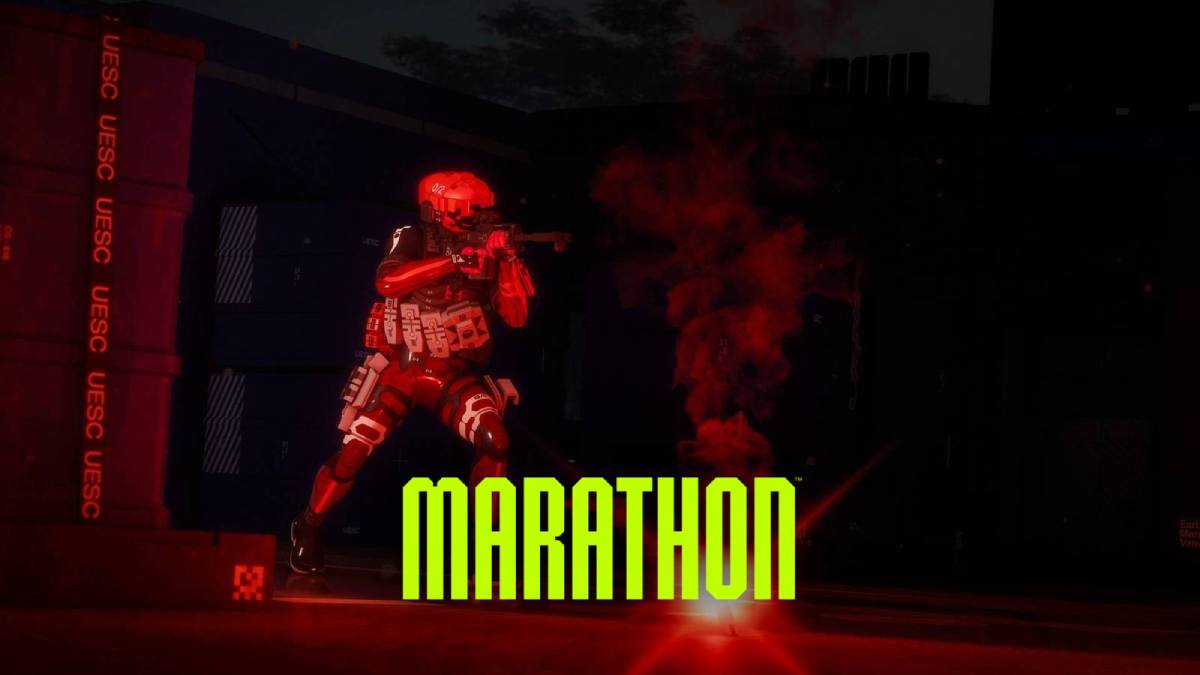
Especially for a developer who spent a huge chunk of his career building toward that project, getting written back into the record reads like a form of vindication. Barrett had been the original director of Marathon before his departure, and the joint statement acknowledged that for 25 years, he had contributed to some of Bungie’s most successful games. He was eventually replaced as director by former Valorant game director Joe Ziegler.
The Settlement Landed During a Brutal Stretch for Bungie
The timing here is impossible to ignore. And this news arrives while Bungie is going through one of the roughest periods in its history. Sony recently confirmed another round of workforce cuts at Bungie, affecting a significant number of employees, including most of the Destiny team and some Marathon team members, with reductions also hitting SIE teams that support Bungie’s operations.
On top of that, the financial picture around these games has been grim. Sony recorded a $766 million impairment loss against Bungie for the 2025 financial year, a one-two punch of Destiny 2 and Marathon falling short of expectations. So a settlement that likely put millions back into a former executive’s pocket, landing right as the studio sheds staff, is the kind of contrast that fans and developers are not going to let slide quietly.