



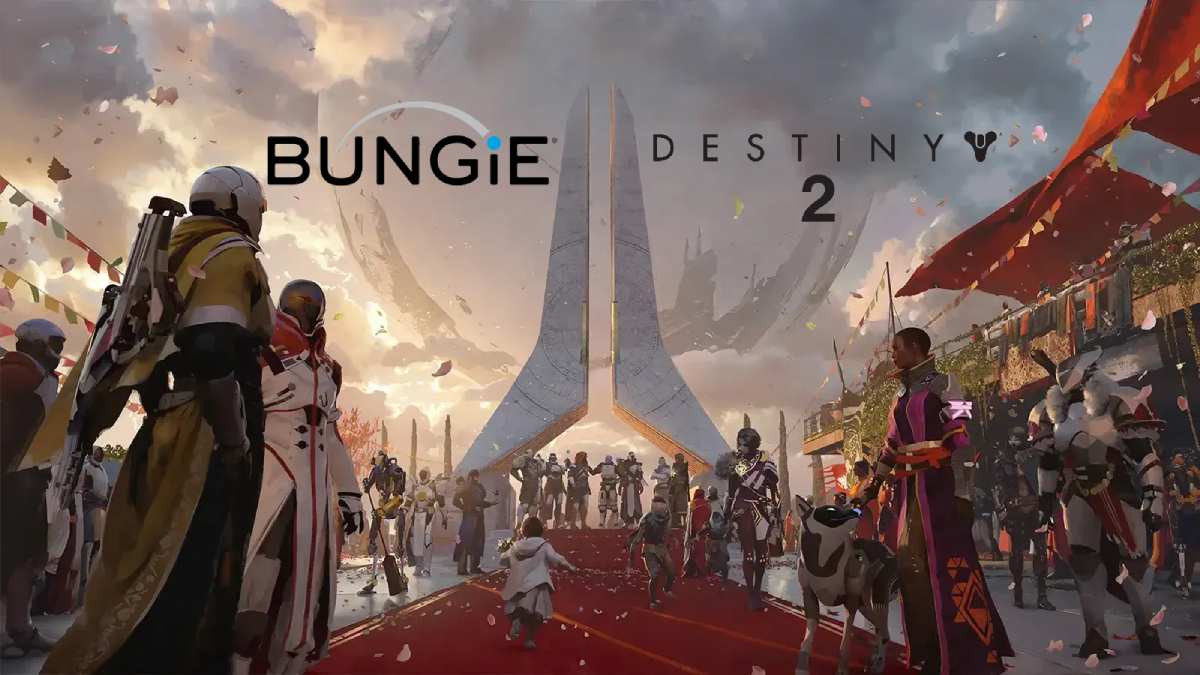
The news broke on June 25, 2026, when Bungie posted a statement to its official X account announcing what it called a “reduction in force” as part of a larger reorganization. The studio didn’t dance around the reason. Bungie’s management said they “recognize Destiny 2 fell short of expectations these past several years,” and with future projects still sitting in early incubation, the company said it simply couldn’t keep operating at its current size.
This all comes right on the heels of Monument of Triumph, the final content update for Destiny 2, which released on June 9, 2026. That update effectively closed the book on active development for a game Bungie had been building since 2017. The game itself stays online and playable, but the live service engine that kept it fed with seasons and expansions has been switched off.
Bungie’s Statement
The tone of the announcement was somber, and honestly, it had to be. Bungie acknowledged that the decision carries a profound impact on the people affected, along with their families, friends, and teammates. The studio framed the cuts as necessary to position itself for whatever comes next, while admitting that reasoning does nothing to soften the blow for anyone losing their job.
Bungie also teased that it would share more about its future down the line, though it made a point of saying that day had not arrived yet. The message was mostly about gratitude and compassion, both for the people walking out the door and for those who remain.
Sony and Hermen Hulst Address the Cuts
Bungie wasn’t the only voice in the room. Sony Interactive Entertainment Studio Business Group CEO Hermen Hulst also shared a memo confirming layoffs across multiple teams supporting Bungie and its operations. In his note, Hulst wrote that the cuts impacted “a significant number of employees, including most of the Destiny team and some Marathon team members,” with Sony teams that supported Bungie getting hit as well.
Hulst was careful to praise the franchise’s legacy, calling what Bungie accomplished with Destiny over the past decade truly remarkable. He also reassured fans that Marathon remains an important part of Sony’s portfolio and that the team would continue building on what it established across its first two seasons.
How Many People Were Affected by the Bungie Layoffs
This is where the scope of the situation really sets in. Bungie’s official statement didn’t attach a number, but reporting filled in the gap fast. Bungie insider Paul Tassi reported that “there are over 400 people in Bungie’s current layoff call,” and he followed up by saying that figure would represent roughly half of the entire studio. Bloomberg’s Jason Schreier described the reduction as “significant,” with sources pointing to around 400 roles affected out of a remaining workforce of about 800.
Losing half a studio in a single day is brutal by any measure, and the affected departments have already started surfacing. Posts began appearing on LinkedIn from narrative designers, VFX artists and leads, QA staff, UI and UX designers, and people across other departments.
A Pattern That Goes Back Years
If this felt inevitable, that’s because it kind of was. These cuts mark the third major wave at Bungie since Sony completed its acquisition. The studio cut roughly 100 jobs in October 2023 and another 220 in July 2024. Sony picked up Bungie for $3.6 billion back in 2022, and the years since have been rocky on the financial side.
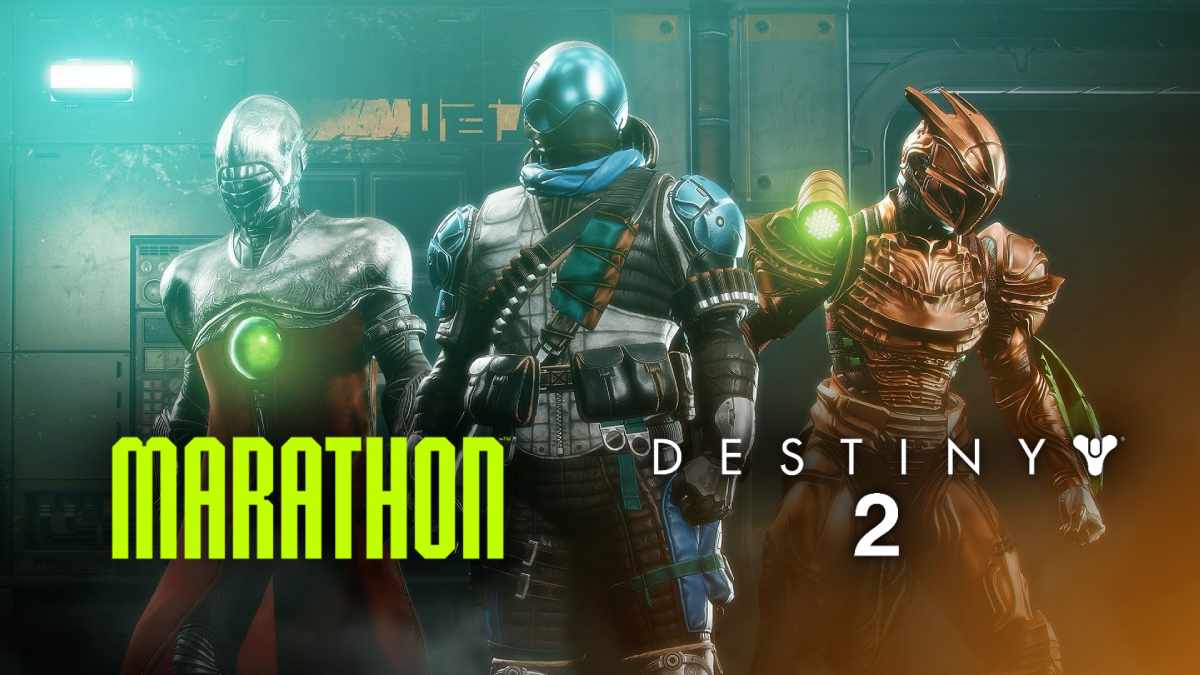
Sony recorded a combined $765 million impairment loss against Bungie’s asset value across FY2025, with a chunk tied to Destiny 2’s underperformance and a larger portion linked to Marathon’s underwhelming launch in March 2026.
There’s also been plenty of frustration over how Bungie got here. Some former staff have pointed out the bleak irony of leadership citing Destiny 2 falling short while years of prior cuts gutted the very workforce that could have kept the game thriving in the first place.
What’s Next for Bungie
As of writing, the studio’s focus appears to be on Marathon and a handful of incubation projects that haven’t been detailed publicly. Destiny 3 is not in active production, which is the gut punch a lot of longtime fans were dreading. Sony says its immediate priority is supporting the affected employees through the transition, including helping some of them find roles elsewhere within its network of studios.
What remains of Bungie is a much smaller operation than the one that defined looter shooters for a generation. Whether that leaner version can deliver on whatever it teases next is the question hanging over everything, and unfortunately, it’s one that won’t be answered for a while.