



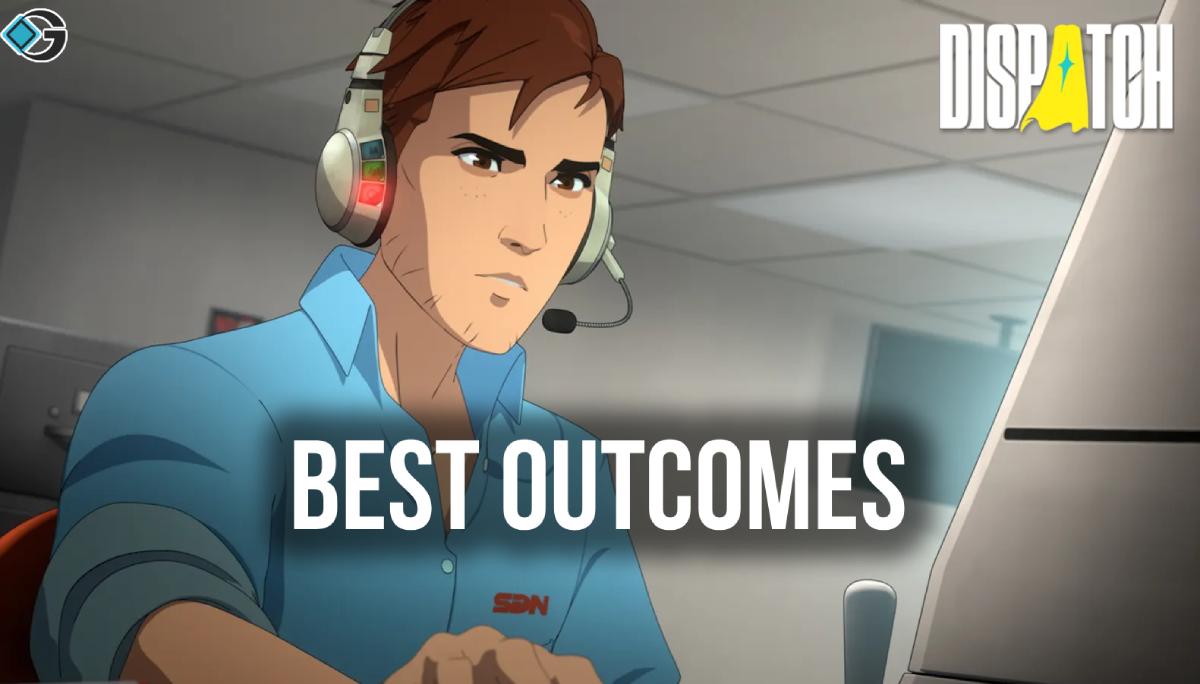
Welcome to our comprehensive guide for Dispatch, where we delve into strategic decision-making, mission tactics, and tips for achieving the most favorable outcomes, including the coveted heroic ending.
Major spoilers ahead.
What is Dispatch — Quick Overview
Experience the thrilling journey of AdHoc Studio’s Dispatch, an episodic adventure game featuring 8 captivating episodes, now available on Windows and PS5. Step into the shoes of Robert Robertson III, once known as “Mecha Man,” as he faces the ultimate challenge: the destruction of his iconic suit, leading him to an unexpected retirement. Robert takes on the role of dispatcher at the Superhero Dispatch Network (SDN), expertly managing calls for a team of reformed super-villains known as the “Z-Team,” who have now embraced their new identities as heroes.
Experience a captivating blend of narrative choices and dispatch-sim mechanics. Assign heroes to calls based on their stats, manage cooldowns, navigate hacking challenges or quick-time events, and tackle sabotage or mission failures with strategic finesse.
This hybrid design means that achieving the “best outcome” relies not just on selecting the right dialogue and story choices, but also on excelling in the dispatch-sim elements.
Understanding the “Hidden Score” System
A key to Dispatch’s multiple endings is a hidden scoring system often referred to by players as the “mentor/trust” (or “RMC — Robert Mentor Counter”).
- The “RMC” gathers points based on your dialogue and story choices, decisions made in cutscenes that impact relationships or trust, your success in hacking and quick-time events, and, importantly, your performance in dispatch missions.
- The final outcomes of the game, particularly regarding specific characters, are significantly influenced by this total score.
- Simply choosing “nice” or heroic dialogue options won’t suffice. Additionally, you need to: deploy heroes that align with mission criteria, ensure successful call outcomes (steer clear of failures), oversee cooldowns and team dynamics, tackle optional “XP / bonus” calls when they arise, and optimize efficiency throughout the dispatch phases.
In summary: give the dispatch component the attention it deserves. It’s not just filler — it’s essential to the story’s ultimate conclusion.
Episode-by-Episode: Best Decisions & Strategy
Here’s a detailed overview designed for an optimized “heroic / good-ending” journey, highlighting significant episodes, crucial decisions, and essential tips for the dispatch phase.
Episode 1 (Pivot)
- Early on, when confronted with the balcony confrontation, choosing “Pull Him Back” instead of “Let Him Drop” gives Robert a more merciful/heroic tone.
- Later, during the press interview, answer sincerely instead of deflecting or being dismissive (e.g., choose “Answer” rather than “Leave” or “Attack”) — that improves reputation/standing.
- In dialogue with certain allies (e.g., after the bar scene), selecting empathetic/kind responses builds better relationships (which can matter later).
- In the first dispatch assignment (tutorial): carefully match the hero’s stats to the call’s requirement — don’t just pick based on preference. This establishes a good habit for later.
Episodes 2–4 (Onboarding, Team Restructure, Early Missions)
- As you meet the Z-Team and begin forming relationships, pay attention to dialogue options that strengthen trust. These early bonds can influence how teammates react later.
- In team selection/roster decisions (especially when cutting someone or choosing who joins next): consider both narrative and combat synergy — some heroes may work better for long-term stability rather than immediate power.
- Avoid optional “scattergun” dispatching just for XP; instead — when possible — aim for calls that match your heroes’ strengths, give success, and avoid risk of injury/sabotage.
Mid Chapters (Episodes 5 & 6)
- Episode 5 (especially during party / social scenes) gives you chances to deepen relationships or reveal a secret identity. If you aim for a “trust/hero path,” choose supportive, loyal dialogue rather than aggressive or suspicious ones.
- In Episode 6: pay extra attention during dispatch — this episode includes dispatch cycles with XP-marked calls; maximizing those helps raise your overall “mentor/trust” score.
- Also in Episode 6: after shifts, relationship-building dialogue (e.g., comforting allies, choosing supportive lines) can grant “remembered” trust boosts that matter later.
Late Game (Episodes 7 & 8 + Finale)
- Episode 7 has critical moral decisions — e.g., whether to cut or defend a team member after internal conflict. Choosing empathy/defense tends to keep trust high and unlock better paths.
- In high-stakes dialogues (identity reveals, loyalty questions, team conflict, public image), choose reasoned and trust-focused options rather than selfish or impulsive ones — they tend to pay off in character arcs and final trust calculations.
- For the finale (Episode 8): careful dispatch performance matters most — there’s a long dispatch sequence, and failure or missed calls dramatically impact the “city state” bar and final outcome.
- When a final moral/personal choice arises (e.g., trusting certain characters, choosing who to side with, how to handle betrayals), reflect the values you’ve built through prior choices. Consistency helps align the story toward a heroic ending rather than a tragic/anti-hero one.
May you make all the right decisions for the best ending!