



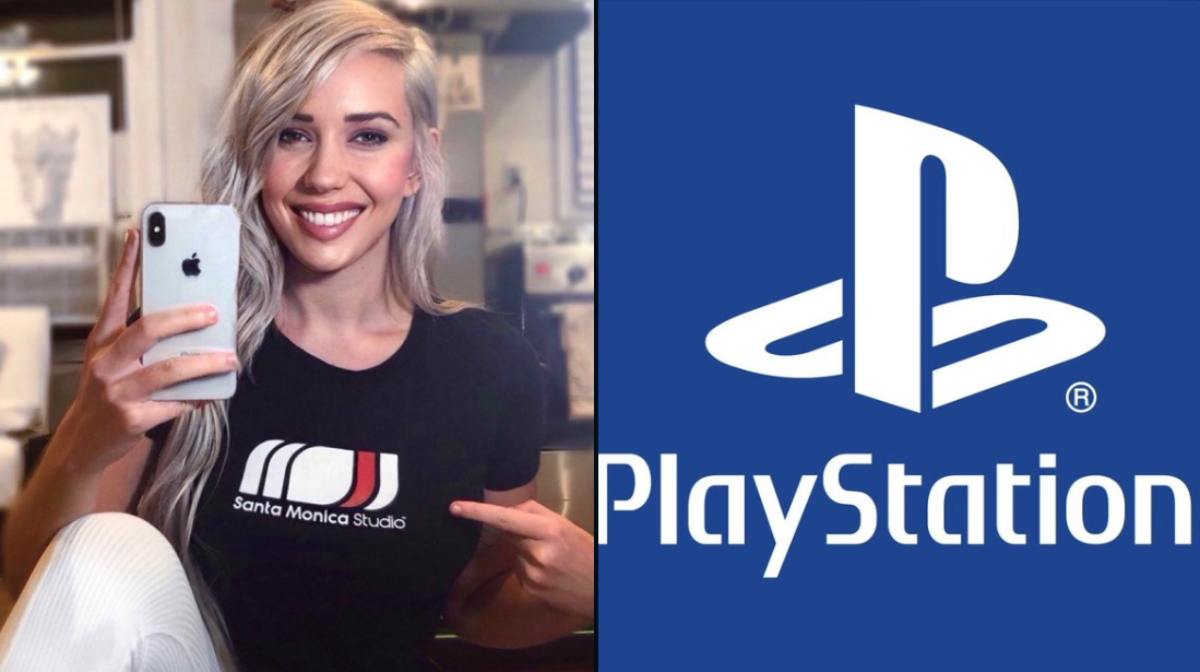
Speaking in a recent video, Pearce said developers inside PlayStation first-party studios reached out to her about how the company handled the run-up to the disc decision. She said Sony apparently knew everyone would be upset, and that people working within PlayStation first-party studios told her the company issued the strictest social media guidelines they had ever seen for this particular thing.
As she worked at Santa Monica Studio, she has been on the inside of exactly this kind of process. So, a report coming directly from her gives the claim more legitimacy.
Sony’s Social Media Guidelines
Pearce made a point of explaining that these guidelines are not unusual on their own. Publishers hand out communication rules constantly, especially around reveals, delays, and anything with a marketing beat attached to it. Sony tells its people what they can and cannot talk about in public, and that is standard practice across the industry.

She said she received that kind of guidance herself while working on God of War Laufey, including specific instructions covering what she was allowed to say on the day the game was announced. She also noted she is still operating under guidelines even now. So the existence of rules is not the story, but their severity is.
The Strictest Guidelines Ever Points to a Planned Response
Pearce said that in this instance the restrictions were the most severe the employees she spoke to had ever encountered regarding public communications, and she argued a company only goes that far when it already knows what is coming.

You do not muzzle an entire network of first-party studios over a routine business update. You do it when the legal team, the PR team, and the executives have all sat in a room and agreed that the internet is about to lose its mind. According to Pearce, none of the fallout came as a shock to anyone inside the building.
To put it simply, this was a company that read the room perfectly, decided to proceed anyway, and prepared the sandbags in advance.
The PlayStation Disc Decision That Started It All
For anyone catching up, Sony announced plans to end production of physical discs for new games starting in January 2028, after which new PlayStation releases will only be available digitally through the PlayStation Store and at retailers. The company framed it as a response to shifting trends in consumer preference, with demand for digital media significantly outpacing physical discs. Games already released or scheduled before that cutoff are unaffected.

The announcement post pulled tens of thousands of replies, with the overwhelming majority of them furious, and one longtime industry insider called it the most outraged players have been at PlayStation in 20 years. The timing did not help either, since it landed close to news that Sony was shutting down the PlayStation Store for PS3 and PS Vita, and after hundreds of purchased movies and shows were pulled from user libraries over expired licensing.
Stack those together, and you get a very clear picture of why people were angry. It was never really about Blu-rays. It was simply about ownership.
Sony’s Silence Suddenly Makes a Lot More Sense
One of the strangest parts of this whole saga has been how quiet Sony has stayed. Weeks of anger, videos, threads, and think pieces, and the company has offered almost nothing beyond the original blog post. PlayStation even stepped back from social media entirely for a stretch following the backlash.
If Pearce’s sources are right, that silence is not indecision. It is the strategy. Lock down every mouth that could speak on the record, ride out the news cycle, and let the anger burn itself out while the business plan continues unchanged in the background.
The uncomfortable truth for physical media fans is that a company preparing this thoroughly is not a company planning to reverse course. Sony has already been reported to be repurposing disc manufacturing capacity, and every signal so far points toward a future where the next PlayStation treats a disc drive as optional at best.
Pearce’s report does not change the outcome, but it does change how we should read Sony’s behaviour.