

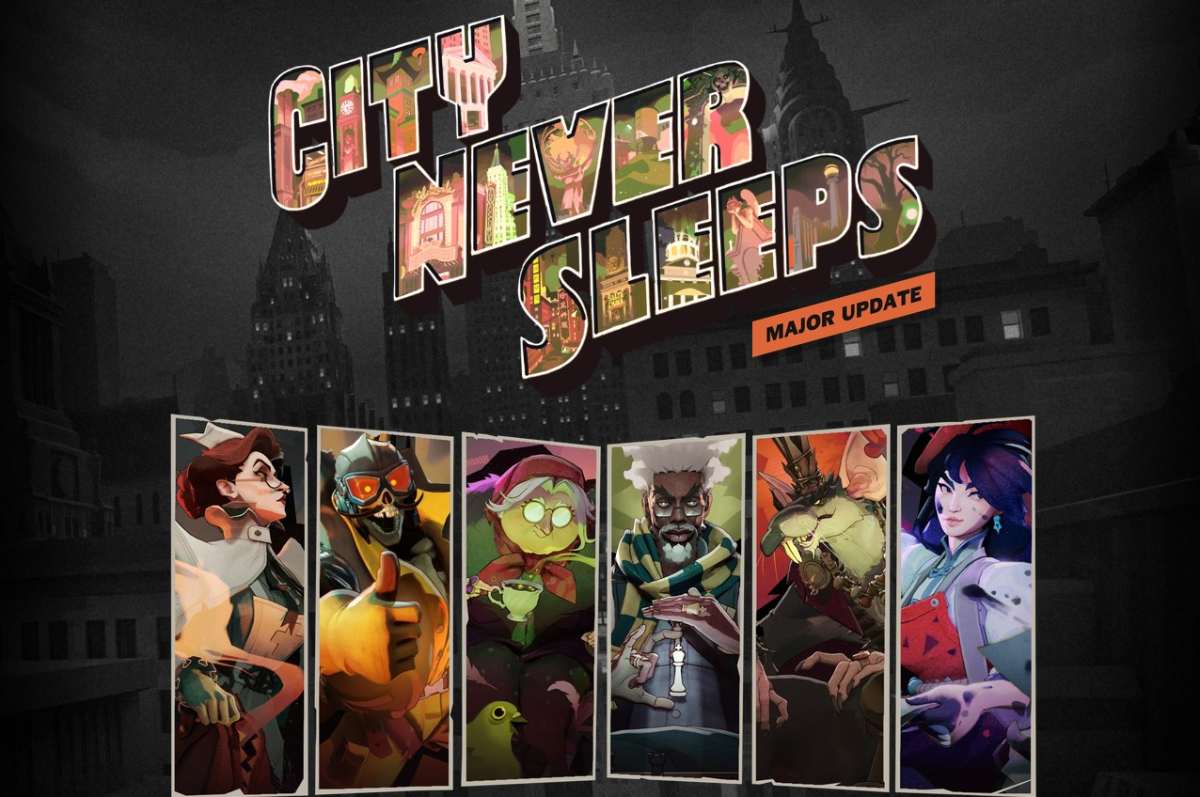
Deadlock’s City Never Sleeps update gives players plenty of reasons to jump back into Valve’s shooter. The major update brings a huge visual overhaul to New York, introduces six upcoming heroes, and adds new ways to collect souls, recover health, and move around the map.
According to Valve’s official announcement, the update also includes a temporary merchant called the Broker, new neutral creatures, improved communication tools, and a long list of interface and accessibility changes.
In brief:
- Six new heroes are coming, with players voting on their release order. The first arrives October 2.
- New York gets a visual overhaul, new neutral creatures called Haunts, and more opportunities to pick up rewards.
- The Broker offers powerful Corrupted items with drawbacks, but he’s only sticking around for a few days.
- Updated shops, health bars, pings, accessibility settings, testing tools, and anti-cheat improvements round out the update.
Deadlock’s Six New Heroes Begin Arriving October 2
City Never Sleeps introduces six characters to Deadlock’s growing roster:
- Nurse Harrow
- Deadman Danny
- Baba
- Solomon
- Rat King
- Violet
Players will decide who arrives first. Voting is now handled through the new pregame lobby, and the winning team’s votes count double. Your first win of the day also grants double votes.
The first hero releases on October 2, followed by a schedule of two heroes per week on Tuesdays and Fridays at 2 PM PT. Once releases begin, playing will earn priority tokens to help players get their hands on the new arrivals.
City Never Sleeps Gives Deadlock’s Map a Major Makeover
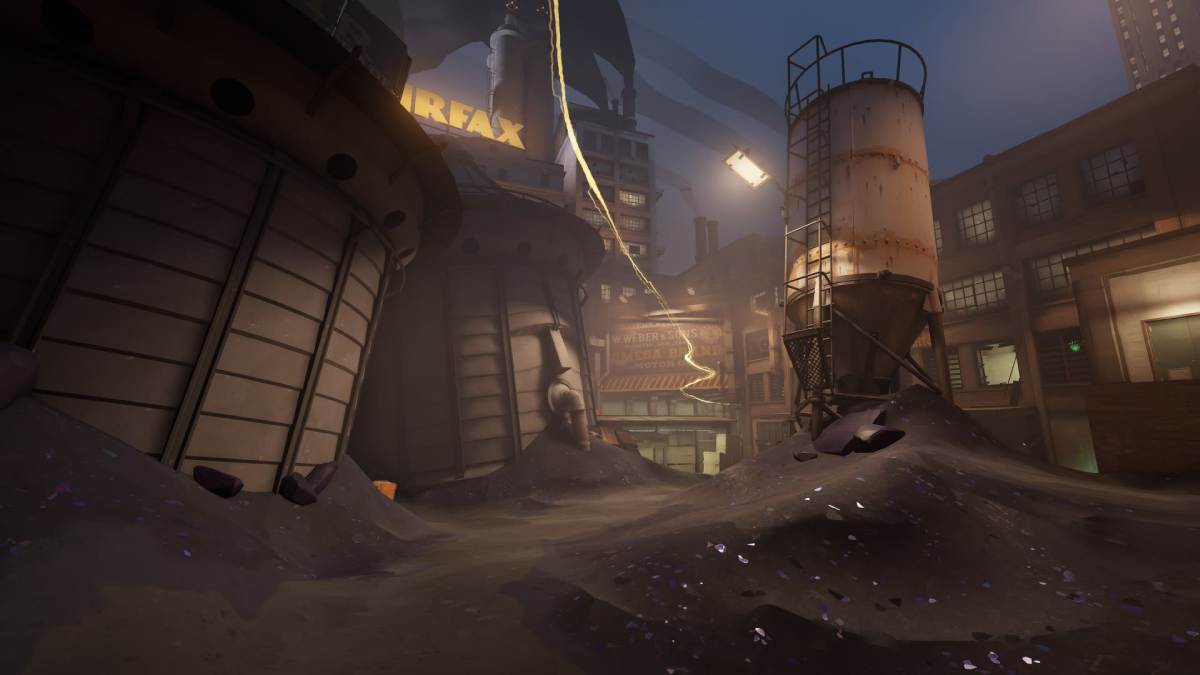
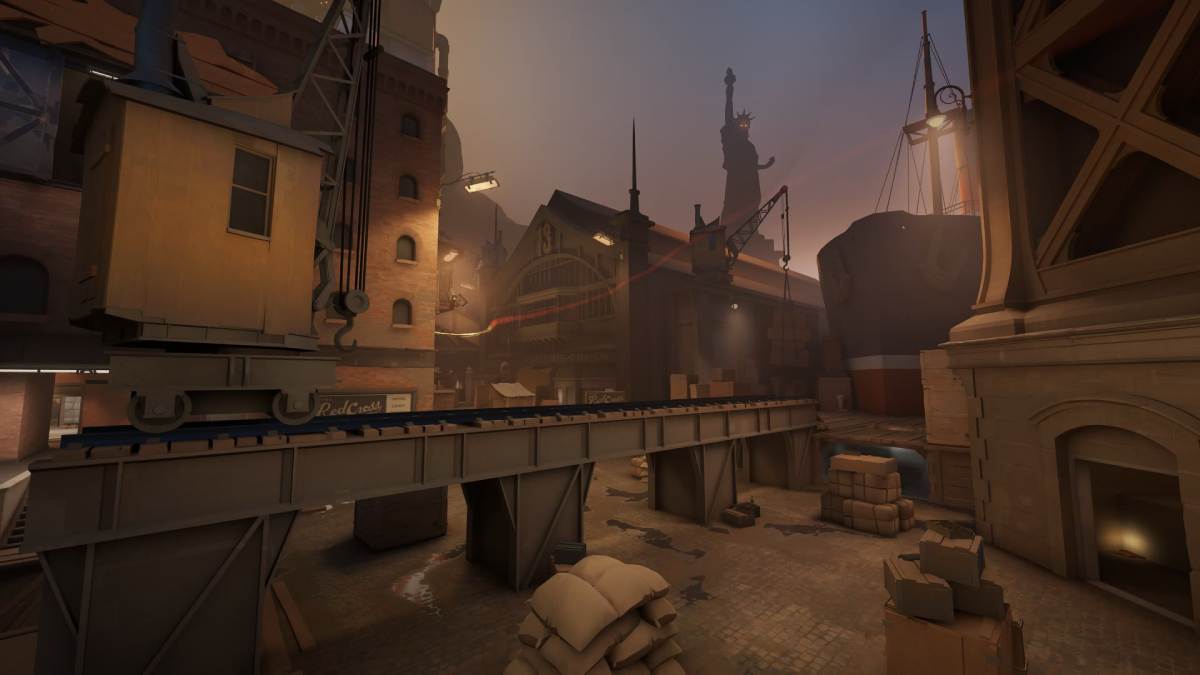
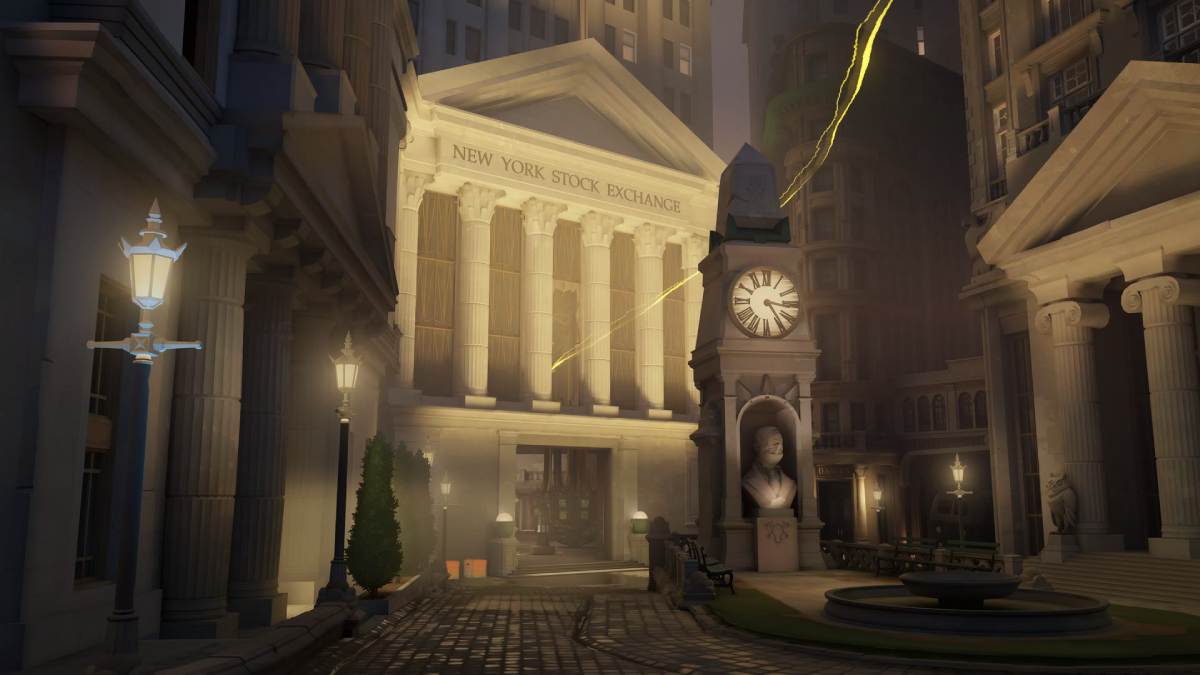
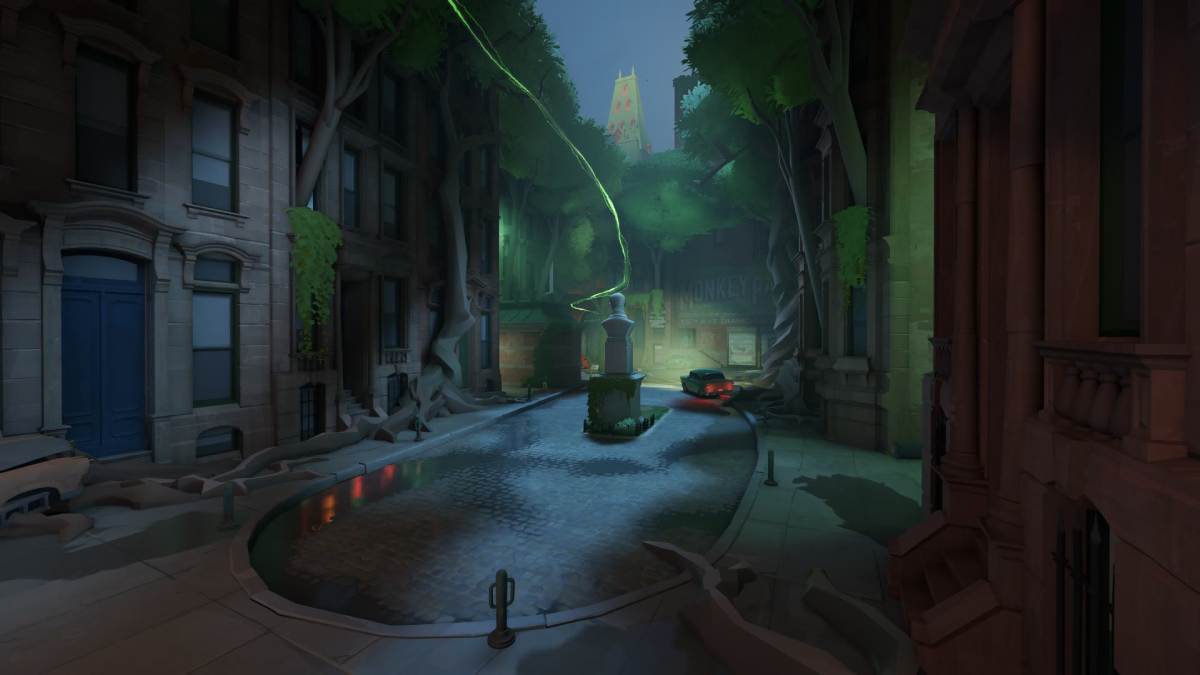
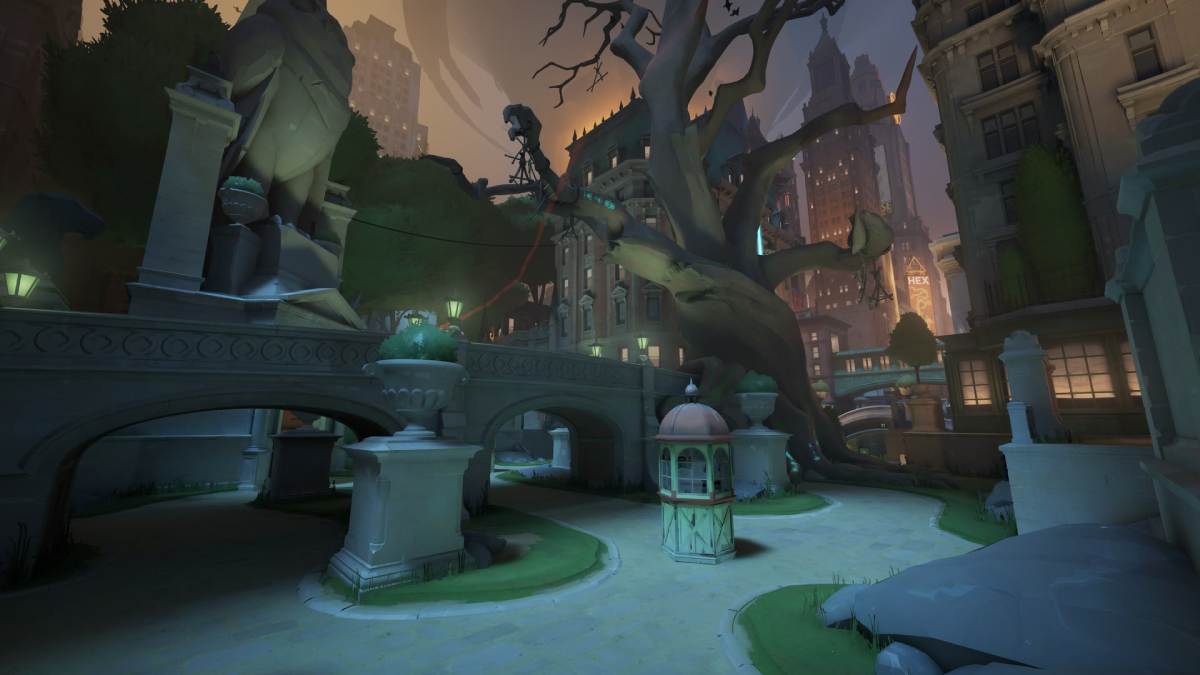
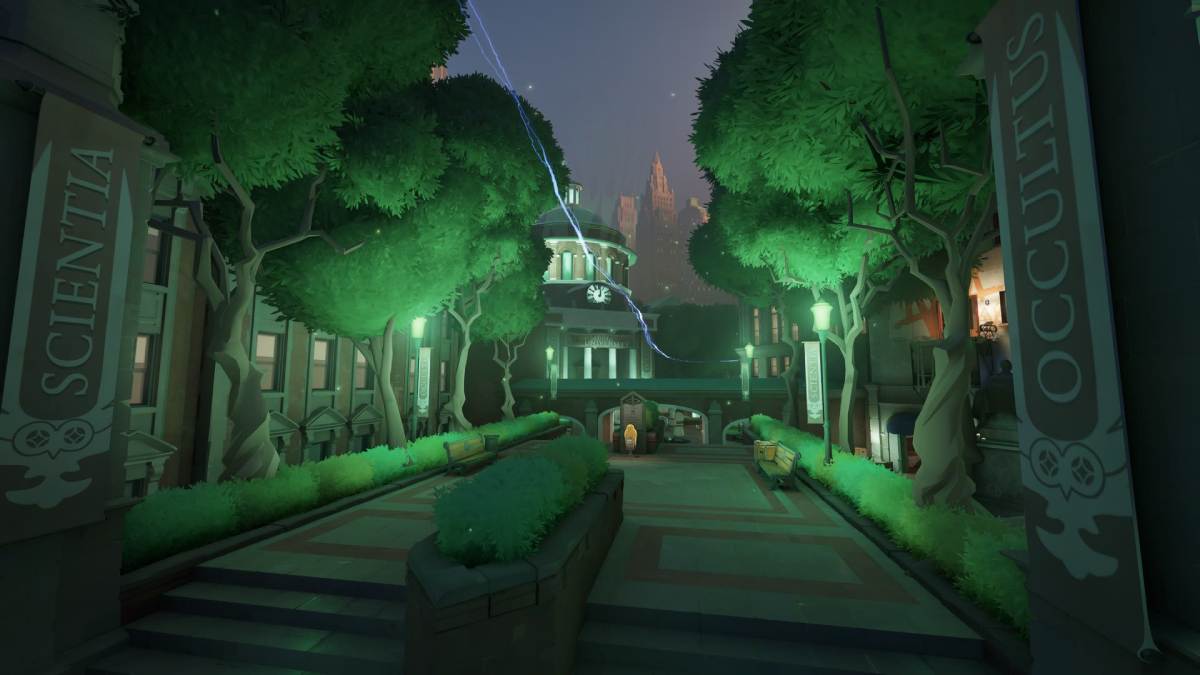
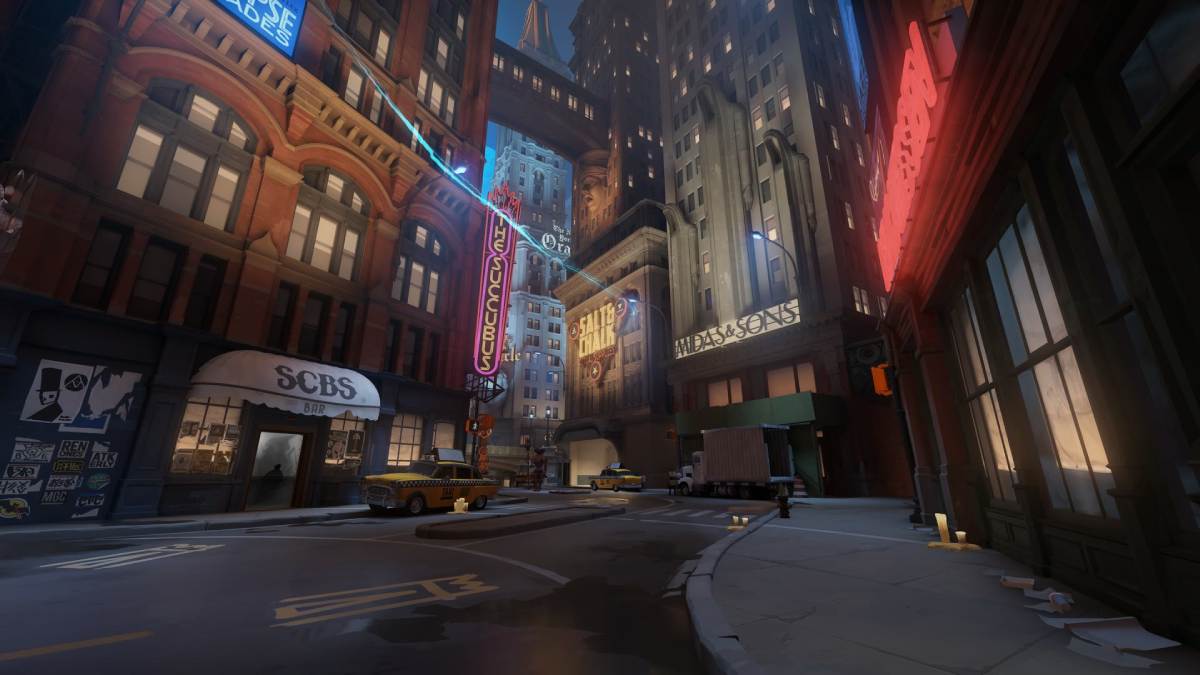
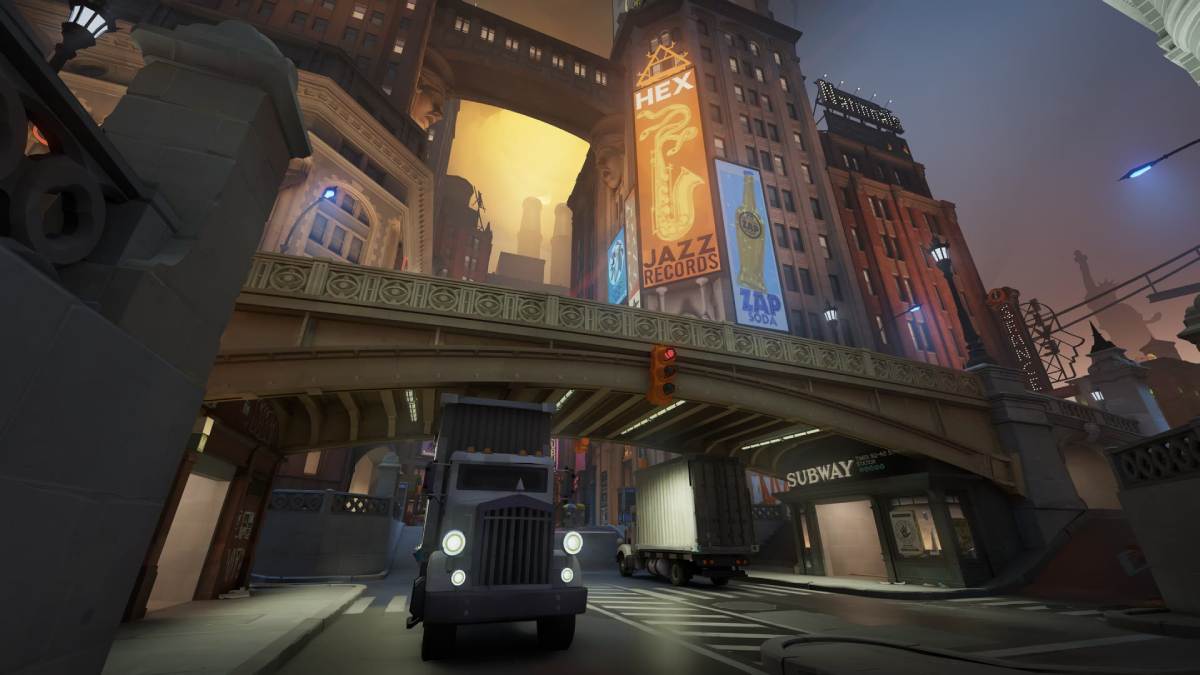
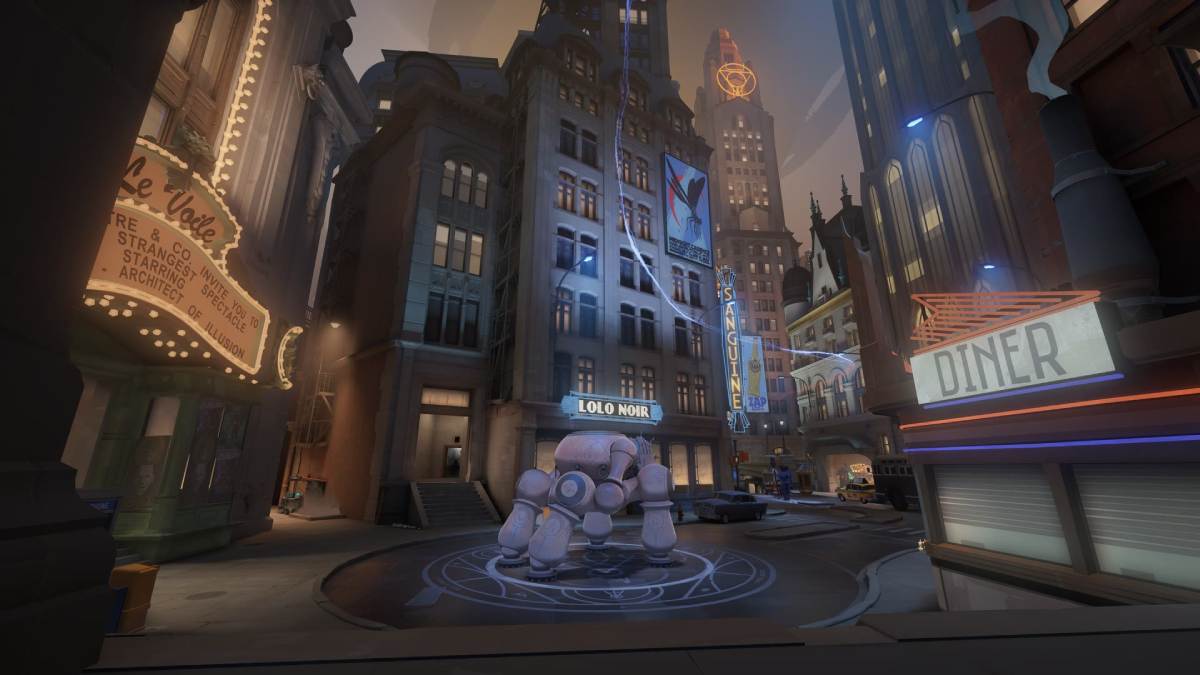
New York is getting a much stronger sense of place. The updated map highlights Broadway, Greenwich, and York, with landmarks including Times Square, Umbria University, and the Stock Exchange.
Between the main streets, players can explore four districts: Theater, Chinatown, Haunted Lot, and Plaza.
The neutral camps are changing, too. New creatures called Haunts replace the existing neutrals and bring different behaviors. These include Gutter Ghouls, Barrel Mimics, Stage Hands, and other creatures scattered around the city.
There are also more reasons to pay attention to your surroundings:
- Sunken Plaza: A reward area where descending into its depths reduces your stamina and muffles the outside world.
- Bell Tower: A concentrated source of souls in Chinatown, though collecting them rings a bell that can be heard across the map.
- Tough Crates: Require a Heavy Melee attack to break and reward extra souls.
- Buff Containers: Expanded permanent bonuses now include Spirit Resist, Bullet Resist, Ability Range, and Move Speed.
- Healing Snacks: Hidden pickups that help players recover health.
- Steam Vents: Provide invisibility and a small amount of regeneration while standing on them.
The Bell Tower creates a particularly interesting decision. Collecting its rewards means announcing your presence, giving nearby enemies a reason to come looking.
The Broker Trades Powerful Corrupted Items With a Catch
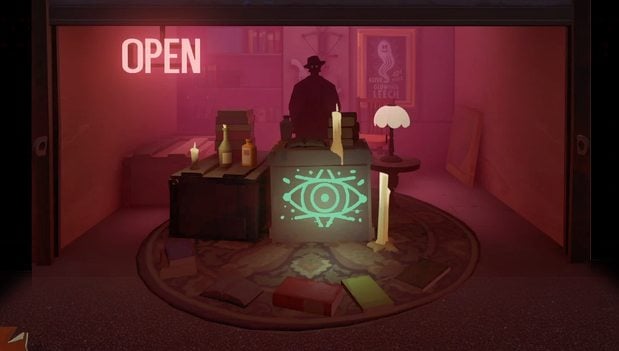
The Broker is a temporary merchant who lets players exchange high-tier items for Corrupted versions.
His first shipment arrives around the 30-minute mark, although the exact timing varies. Additional Corrupted items become available roughly every 15 minutes afterward.
These upgrades come with negative attributes. Each match assigns drawbacks from a predefined pool, with some variation in the strength of both the benefits and penalties. Those values are the same for everyone within that match.
A stronger item could help you close out a game, but its penalty may create another problem.
Players will have a short window to try the system. Valve says the Broker will leave once the first new hero arrives. Street Brawl also gets Corrupted items, with one granted after the item draft in Round 5.
Deadlock’s HUD, Shop, and Ping System Get Major Improvements
The interface changes aim to make fights easier to follow. Updated health bars can show information such as current health, stamina, ultimate status, and available Rejuvenator uses. Improved ally indicators should also make teammates easier to spot.
The event feed now identifies the item or ability responsible for a killing blow, while updated stats help players track their strength and see how purchases affect their build.
Shopping gets several useful additions. A Popular Items section uses live player data to show frequently purchased items for your hero. New filters help narrow the shop by stats, and the build browser receives better previews and copy-and-paste support.
Communication gets a substantial expansion:
- More than 15,000 new and updated pings.
- More pingable targets, including neutrals, ziplines, and shops.
- Detailed ability and enemy-status information.
- Expanded minimap and topbar ping wheels.
Valve has also added over 10,000 non-ping voice lines and increased pre-match conversations from more than 700 to 1,500. A dialogue browser lets players listen to available hero and Patron voice lines.
Accessibility, Reporting, and Performance Changes
City Never Sleeps adds customizable subtitles, enemy UI colors, reduced camera shake, and options for auto-move, auto-fire, and auto-mantle.
Players who enjoy testing builds get bot recording and playback, detailed combat logs, movement-speed graphs, and a DPS meter. Shareable reticle and keybind codes make it easier to exchange settings, while expanded custom lobbies support eight spectators.
Reporting also gets clearer feedback. Players will receive notifications when action is taken on someone they reported. Anyone reported during a match and found to be abusing communications can be muted for the rest of that game and receive a 30-day communications ban.
Alongside those additions, Valve lists updated Source 2 engine code, improved anti-cheat, network prediction changes, and rendering and audio performance improvements. Ability and item inputs also activate immediately when pressed, removing a timing window that could previously make them feel unresponsive.