


Every so often, a screenshot makes the rounds that reminds people of something they’d rather forget. This time it’s Sony’s own Software Usage Terms, section 10, and it lays out the reality of digital ownership more bluntly than most publishers ever dare to. According to Sony’s language, when you buy a game, you’re not actually buying a game. You’re renting access to it, and Sony can pull the plug whenever the agreement says so.
Sony’s Terms Regarding Digital Ownership
The wording is the part that truly stings for physical media enjoyers. Sony’s terms spell out that words like “own,” “purchase,” “buy,” and “sell” don’t imply any transfer of ownership to you. Content on PlayStation is described as licensed on a revocable basis, meaning the access you paid for can be taken back. Section 10.9 goes further and states that once your agreement, account, or license ends, you’re expected to stop using the content and delete or destroy any copies.
Read that again. Delete or destroy any copies. So, this isn’t some fine print buried in a niche clause. That’s basically the foundation of how modern digital storefronts work, and Sony is simply one of the few writing it down where everyone can see it.
The Disc Debate Suddenly Went Viral
Following Sony’s announcement that they are stopping the production of physical games is exactly why the fight over physical media has heated up. A disc was never a perfect shield, but it was one of the last things standing between players and total publisher control. If a server dies or an account gets closed, a disc still spins. When physical media disappears, that safety net goes with it, and the license terms become the only thing defining what you’re allowed to do with something you thought you owned.
So, that’s the heart of what campaigns like Stop Killing Games keep hammering home. The movement, which gathered nearly 1.3 million verified signatures across the EU, argues that buyers should have the final say on when they’re done with a game, not the company that sold it to them. Regulators have been slow, favoring voluntary industry codes over hard law so far, but the pressure is clearly building.
The Bigger Picture for Players
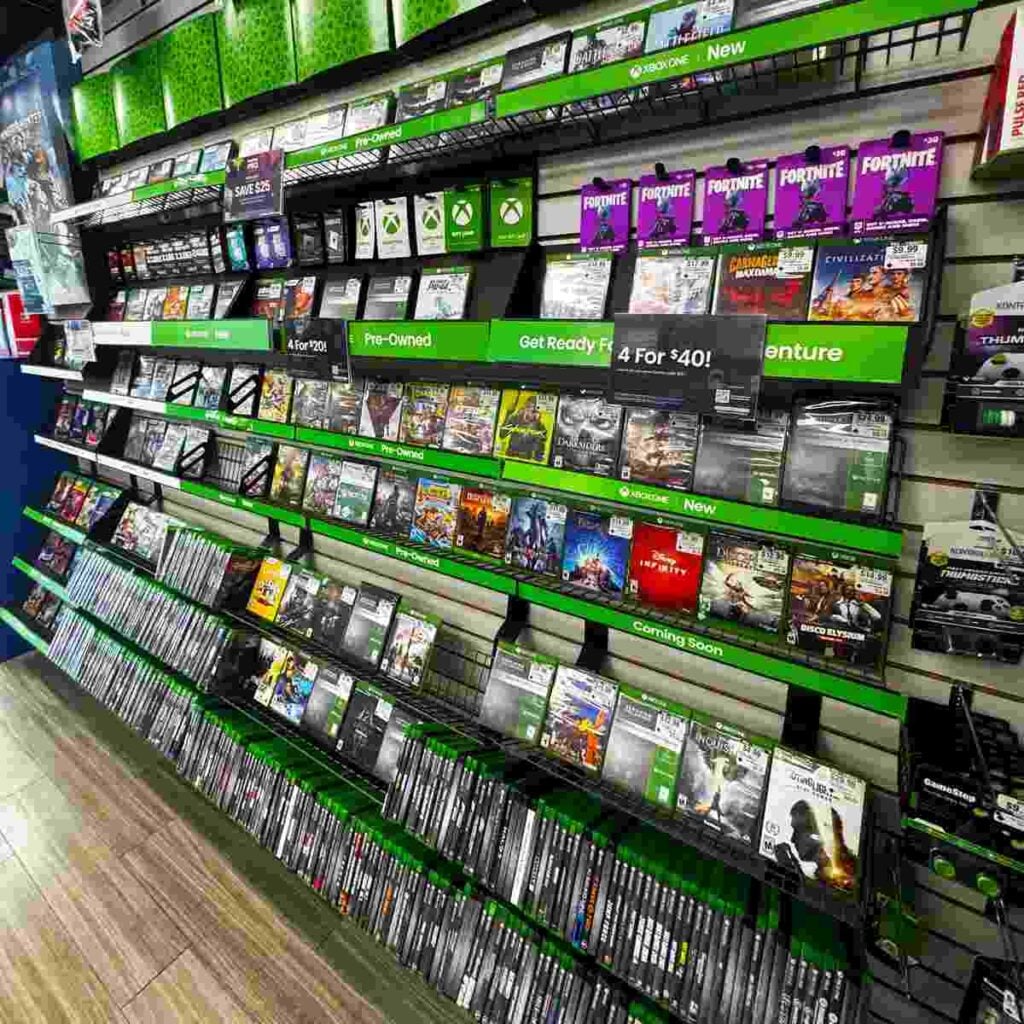
None of this is unique to Sony. Microsoft, Steam, Nintendo, and nearly every major publisher operate on the same licensing model. Sony just happens to say the quiet part out loud. The main thing you can take away from this isn’t to panic every time you boot up a game. It’s to understand what you’re actually agreeing to when you click “buy,” because that button doesn’t mean what it used to. Consumer law and physical media were the guardrails, and both are being tested right now.
Digital convenience came with a trade, and the receipt was in the terms all along.