



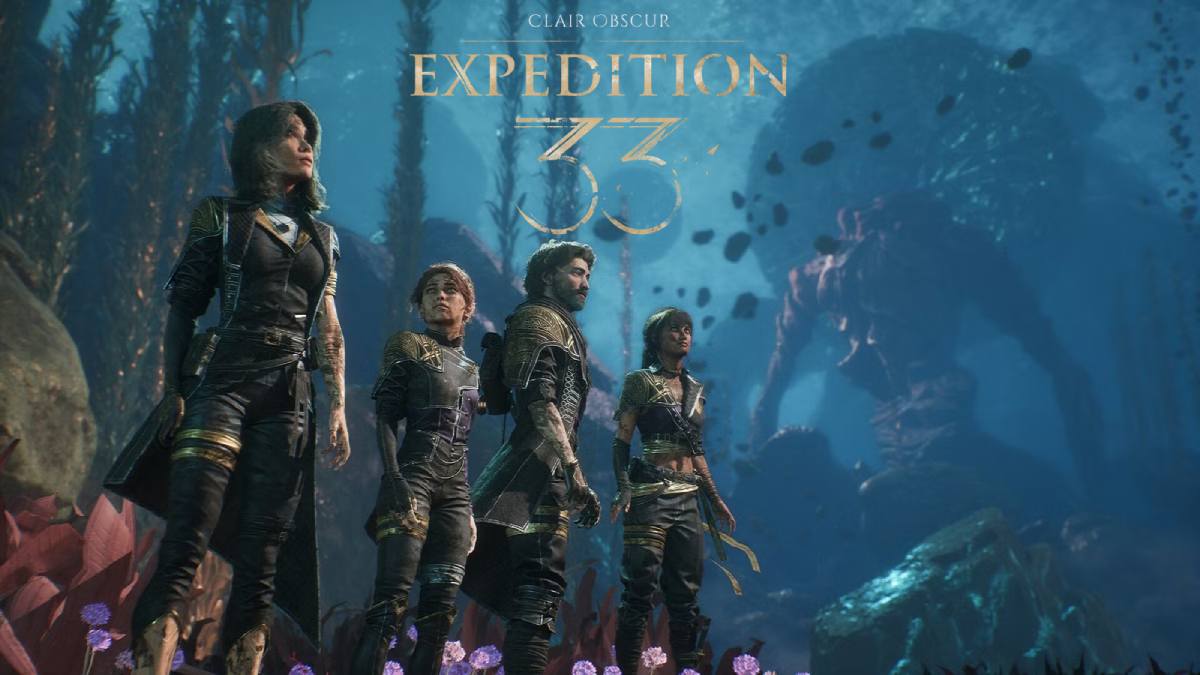
Following one of the most talked-about controversies of 2025, Clair Obscur: Expedition 33 and its creators at Sandfall Interactive are now at the forefront of the industry’s AI discourse. Following remarkable critical and commercial triumphs, highlighted by numerous Game Awards victories, the French RPG unexpectedly ignited conversations surrounding artificial intelligence in game development—particularly after some awards were rescinded due to the incorporation of AI in its creation.
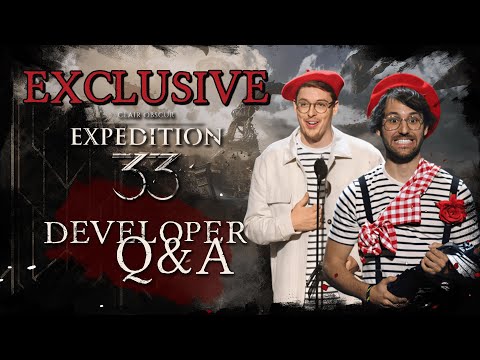
Guillaume Broche, the director of Sandfall, has openly shared the studio’s perspective on AI. He detailed the events surrounding the game’s development and articulated their decision to move away from incorporating generative AI in significant creative roles in the future.
The AI Controversy That Shook the Indie Scene
Clair Obscur: Expedition 33 launched to widespread praise, swiftly establishing itself as a standout title in the 2025 gaming landscape, achieving millions in sales and garnering esteemed awards. Controversy arose when it came to light that some early placeholder textures, created using AI, had inadvertently made their way into the game’s initial release build. Following a swift patch after launch that eliminated these assets, indie award organizers uncovered their original application and subsequently rescinded Clair Obscur’s awards for Game of the Year and Debut Game.
The outcry didn’t stem from the fans who cherished the game’s meticulously crafted narrative, stunning art direction, and rich character development — but rather from the wider community and industry organizations grappling with the boundaries of AI integration in creative processes. In the midst of discussions among developers and players about whether limited tooling can be deemed as “AI in production,” the director of Sandfall took the initiative to share his insights.
Director Guillaume Broche on Why Sandfall Rejects AI
In contrast to the open experimentation with generative AI for concept art, writing prompts, or procedural animation seen in some studios, Sandfall’s leadership has adopted a distinctly different stance. Broche emphasized that every aspect of Sandfall will be crafted by human hands — a philosophy grounded in the conviction that game development is inherently a human endeavor. The team conducted a brief exploration of AI tools for internal experimentation, but ultimately decided to eliminate any AI-generated content prior to the final release. Broche and other representatives from Sandfall expressed that utilizing AI “felt wrong” within the framework of their vision and creative journey.
This goes beyond mere appearances; for Broche, it’s about safeguarding the essence of the game. From his perspective, the depth, emotional connection, and personal experiences that human artists contribute to a project are irreplaceable by AI. Sandfall firmly believes that the essence of creative authorship resides with individuals, not algorithms — a guiding principle that will shape their future endeavors.
Comparisons With Larger Studios and the AI Debate
The discussion about AI in Expedition 33 reflects wider conversations happening across the industry. Recently, Larian Studios, celebrated for their acclaimed titles such as Baldur’s Gate 3 and the anticipated Divinity, encountered criticism from segments of the community for recognizing the integration of AI tools in their development process. Larian’s leadership clarified that AI is intended as a supplementary tool, not a substitute for human creativity. They emphasized its role in efficiently supporting concept work while preserving the integrity of the final content.
Sandfall’s approach stands out distinctly. While certain developers recognize the promise of responsibly integrating AI, Broche’s remarks emphasize a clear intention to completely avoid these technologies in creative fields. For him, gaming transcends mere output because it embodies the emotional essence that individuals invest in every asset, character, and narrative moment.
As we move forward, Sandfall has confirmed that its upcoming projects will place a premium on human artistry above everything else. The director’s position reflects a dedication to established development practices, even in the face of evolving tools and emerging technologies. For those captivated by Clair Obscur’s profoundly human story and artistic depth, this philosophy might strike a chord just as powerfully as the game itself.