



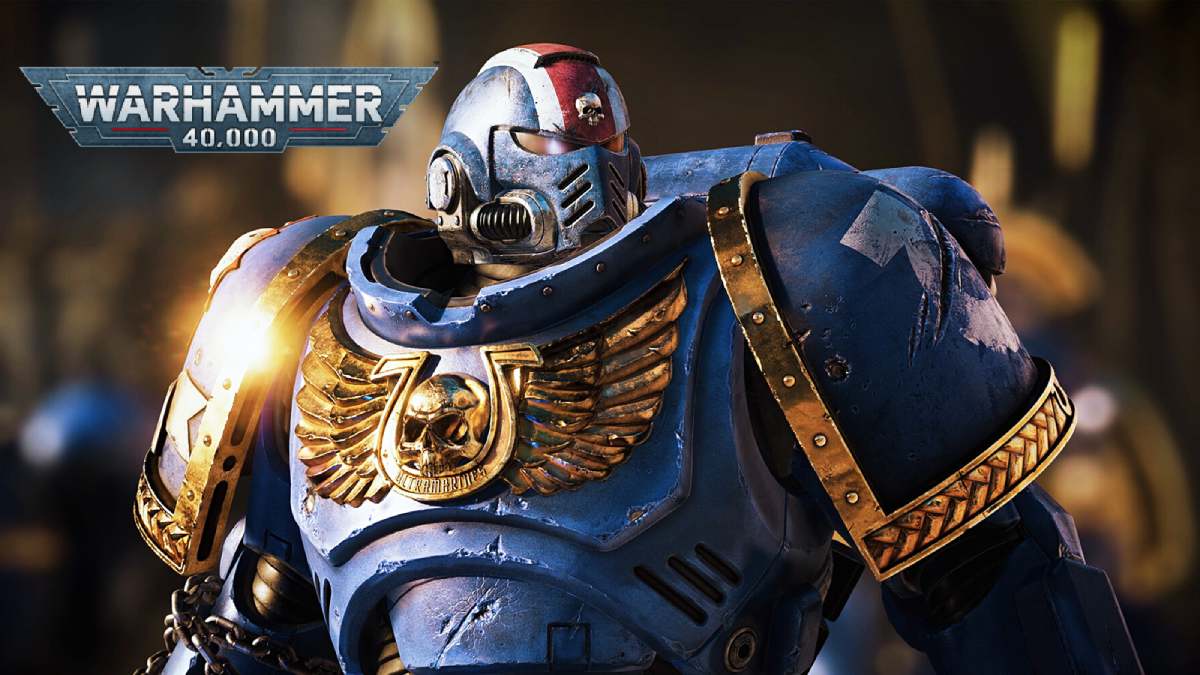
Games Workshop, the British company behind the iconic Warhammer franchise, has taken a decisive stand against artificial intelligence. In a bold move that emphasizes traditional creative methods, the company has banned the use of AI tools across its design and content production workflows. This decision has sparked debate among fans and industry observers at a time when many video game and entertainment companies are embracing AI.
Why Games Workshop Has Rejected AI in Creative Work
The ban on AI comes from a cautious approach adopted by Games Workshop leadership. CEO Kevin Rountree explained that the company will not allow AI-generated content or AI tools to be used in the design of miniatures, written content, or other creative assets tied to Warhammer properties. While a small group of senior managers is permitted to explore AI technologies experimentally, enthusiasm for the technology among staff is reportedly low.
Rountree indicated that the company’s internal policy reflects concerns about data security, compliance, and the preservation of intellectual property. This stance extends not only to internal work but also to competitions and community events where unauthorized AI use is expressly prohibited.
Protecting Human Creators and Brand Identity
For many Warhammer fans, the company’s creative vision is deeply tied to its distinct aesthetic and storytelling style. Games Workshop’s decision highlights a commitment to human artistry rather than automated processes. Rather than cutting costs or accelerating workflows through algorithms, the company plans to invest more in its creative workforce by hiring additional artists, writers, sculptors, and designers to maintain the quality and originality of its products.
This human-first philosophy aligns with the passionate community that surrounds Warhammer 40,000, Age of Sigmar, and related titles. By prioritizing skilled creatives, Games Workshop is reinforcing the idea that the richness of its worlds and characters comes from human imagination and expertise.
Industry Trend On AI
Games Workshop’s AI ban marks a departure from the broader trend in the entertainment and gaming sectors, where many publishers are exploring AI for concept art, procedural generation, and narrative design. While some companies view AI as a tool to enhance productivity, Games Workshop sees potential risks in overreliance on machine-generated creativity.
By doubling down on traditional creative processes, the company is sending a clear message about the value it places on originality and craftsmanship. Whether this strategy will influence other studios in the gaming and tabletop space remains to be seen, but it certainly sets Games Workshop apart as a defender of human creativity in an increasingly automated world.
Human Creativity at the Core of Warhammer
Games Workshop’s policy is not just about limiting technology. It’s about reaffirming the core elements that have made Warhammer a beloved brand for decades. The company’s move to expand its creative teams signals confidence in the enduring appeal of handcrafted designs and narratives crafted by humans. For fans of Warhammer and creative professionals alike, this approach underscores the importance of artistic skill and storytelling in an age of rapid technological change.
In a landscape where AI tools are becoming commonplace, Games Workshop has chosen to preserve the uniquely human touch in its creative work, ensuring that the grimdark universes of Warhammer continue to be shaped by real artists and designers.