



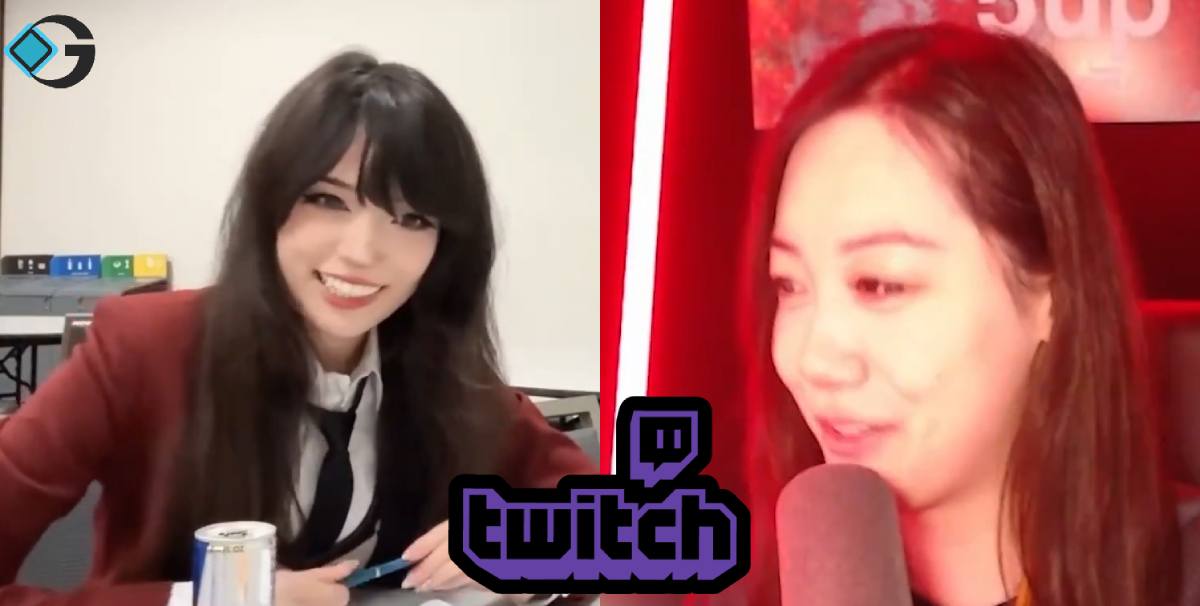
The world of streaming is vibrant and getting trickier over time. Safety and discretion have become crucial issues for creators who spend hours making content, managing live audiences, attending events, and talking to fans. Recently, a very public incident with Emiru at TwitchCon 2025 brought a lot of attention to security on the site and the platform’s responsibility.
Now, fellow streamer FanFan has openly stated that Twitch is forcing her to use the platform’s designated security measures. She believes this feels more like a show of force than a concern for her safety. Let’s break down what’s happening, why it matters, and why this could mean a change in how streaming services protect creators and give them flexibility.
The Emiru incident & Twitch backlash
A fan was reported to have attacked Emiru at TwitchCon 2025 in San Diego during a meet-and-greet. A male attendee got past security, went up to her, and tried to grab or kiss her before anybody could stop him.
In response, Twitch issued a statement about immediate removal of the individual and a zero-tolerance policy for harassment.
But Emiru publicly disagreed with aspects of the statement, saying that the person who did it was allowed to leave and that event officials didn’t act quickly enough. This has led to a lot of criticism of Twitch’s event security rules, especially for high-profile female creators at live events.
FanFan: “Twitch is forcing me to use their security.”
Enter FanFan. According to a recent report:
FanFan claims that after the Emiru incident, Twitch insisted that she be assigned platform-provided personal security for her events and appearances.
She says she didn’t ask for this and thinks the move is more about public relations than real safety: “It’s not even for me; it’s just for PR!” According to a statement she made during her live stream, “The guard accompanied her everywhere, limiting her freedom to move and stream naturally.”
In short, FanFan is fighting against what she sees as imposed security, which she sees as a kind of forced branding or image management by Twitch instead of a safety solution led by creators.
If streaming platforms want to rebuild trust after the Emiru incident, they’ll need to go beyond reactionary security and involve creators in the process.