


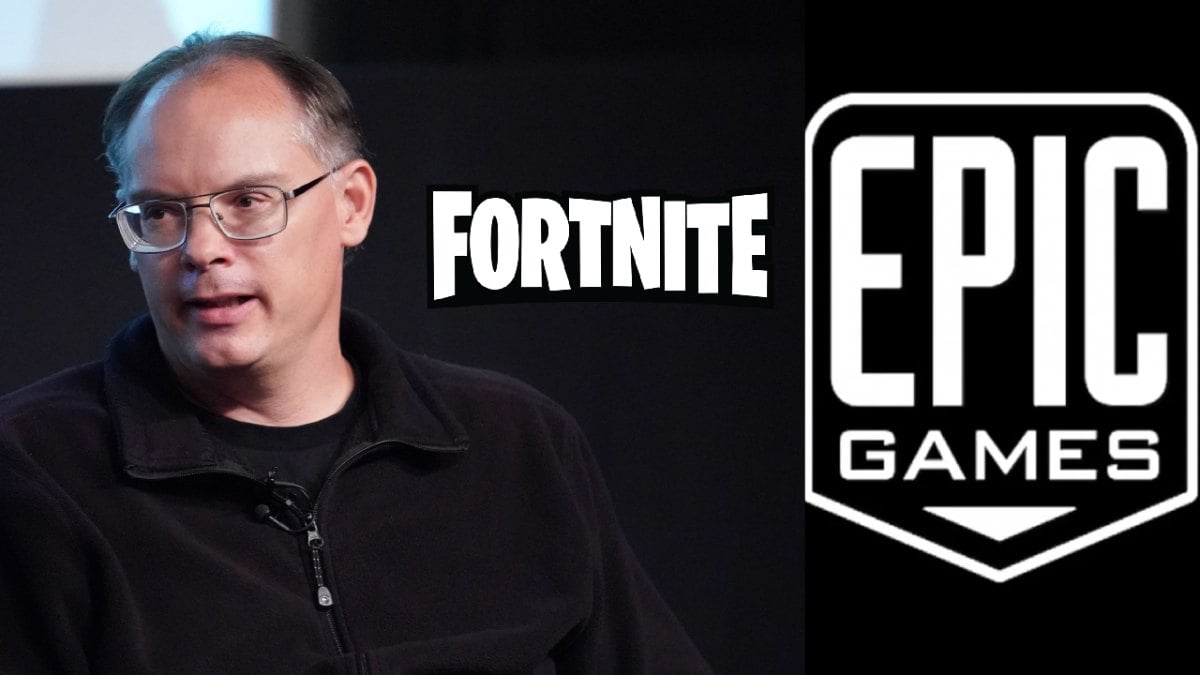
Epic Games’ latest round of layoffs was already ugly. Then it became much harder to look away. After the company cut more than 1,000 jobs, the situation drew widespread backlash when reports surfaced that former Epic employee Mike Prinke, who is battling terminal brain cancer, lost his life insurance after being laid off. In response, Epic CEO Tim Sweeney said the company is in contact with the family, will resolve the insurance issue, and that Prinke’s medical condition was not a factor in the layoff decision.
Tim Sweeney Responds to the Epic Games Insurance Situation
Sweeney’s response was clearly meant to calm the outrage. The message acknowledged that Epic failed to recognize the pain of the situation early enough and said the company should have handled it in advance. That is the part people will keep coming back to. Not just the promise to fix it now, but the admission that Epic did not get in front of a disaster that should have been obvious the moment this employee was included in the cuts.
The Backlash Around the Epic Games Layoffs Keeps Growing
This story hit a nerve because it took an already controversial layoff wave and gave it a very human face. According to reporting on the broader cuts, Epic said it was still spending significantly more than it was making, blamed a Fortnite engagement slump, and framed the layoffs as part of a larger effort to stabilize the company. Impacted US employees were said to be getting four months of severance and six months of paid healthcare. But for many people, that corporate explanation stopped mattering the second this case became public.
The Real Problem With Epic’s Response
The problem is not that Epic is stepping in now. It should. The problem is that it apparently took public pressure for this to happen. That is why Sweeney’s statement feels less like a clean resolution and more like late-stage damage control. Even if the layoff was not tied to Prinke’s illness, that does not erase how brutal the outcome looked from the outside. When a company this large misses the human consequences of its own decisions, people are going to question more than just the decision itself. They are going to question the leadership behind it.
What makes this worse is how familiar it all feels. This is now another major gaming company explaining layoffs with market conditions, live service pressure, and cost-cutting while workers absorb the damage. The games industry keeps talking about talent, passion, and creativity right up until the second those people become an expense line. Epic is hardly the only company doing this, but that does not make it any less infuriating when it happens.
Tim Sweeney’s Response Does Not End the Story
Sweeney’s promise to resolve the insurance issue is the bare minimum of what is needed to happen. It may help this family, and that matters. But it does not magically turn this into a good look for Epic Games. If anything, it reinforces how badly companies can mishandle layoffs even when they insist the cuts were not personal. This situation became a public relations firestorm because it exposed something players and developers already believe about this business. Too often, the people building the biggest games in the world are treated as disposable the second the numbers go south.
Epic may solve this specific insurance crisis, and it absolutely should. But the damage to its image is already done. Tim Sweeney’s response was necessary, but it was also reactive, and that is why the story is still resonating.