



The skins market cap for Counter-Strike 2 has officially topped US$6 billion for the first time in its history. This is a huge milestone for the digital economy. What began as a small trading environment for fans has developed into an enormous sector that combines gamer culture, investment speculation, and virtual status symbols.
A Historic Milestone
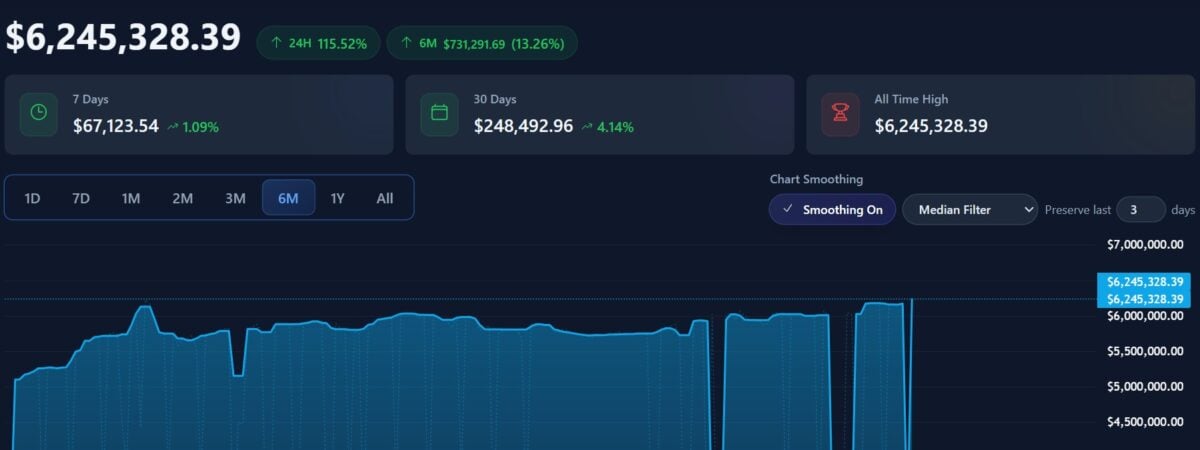
Industry trackers say that the skins market linked to CS2 has recently passed the $6 billion mark, setting a new record in the game’s digital asset ecosystem. One news source said that the number was just over $6 billion as of October 19, 2025.
What Drives This Explosive Growth?
Several factors combine to fuel the surge in value of CS2 skins:
Massive player base & renewed interest:
Since CS2 is the follow-up title after Counter-Strike: Global Offensive (CS:GO), a lot of new players have joined, and trading has picked up again, which has increased demand for rare items.
Trading ecosystem improvements:
As more platforms, marketplaces, and tools facilitate the skin trade, it has become easier to buy and sell items that used to be hard to find.
Collectors and speculators:
Some skins are now like digital collectibles or other types of investments. Rarity, history, and market excitement are more important than ever.
Case openings and item drops:
The process of opening cases, getting rare drops, and acquiring limited items creates an element of uncertainty that makes gamers excited and makes them spend more money. This, in turn, helps prices rise in the skins market.
What Could Be Next?
If demand stays high, analysts think the market cap might reach $7 billion or more. Valve, platforms, and regulators may set more regulations around trading, verifying ages, or making money off of skins. Updates in the future could add skins that are harder to get or change how the game works, which could change the values of items. When things grow quickly, they can also decline sharply in value if demand drops or trading rules change.
The $6 billion figure for the CS2 skins business isn’t just a number; it shows that we need to change the way we think about in-game products. What used to be just cosmetic prizes has turned into a vibrant ecosystem for trade, collection, and commerce.