


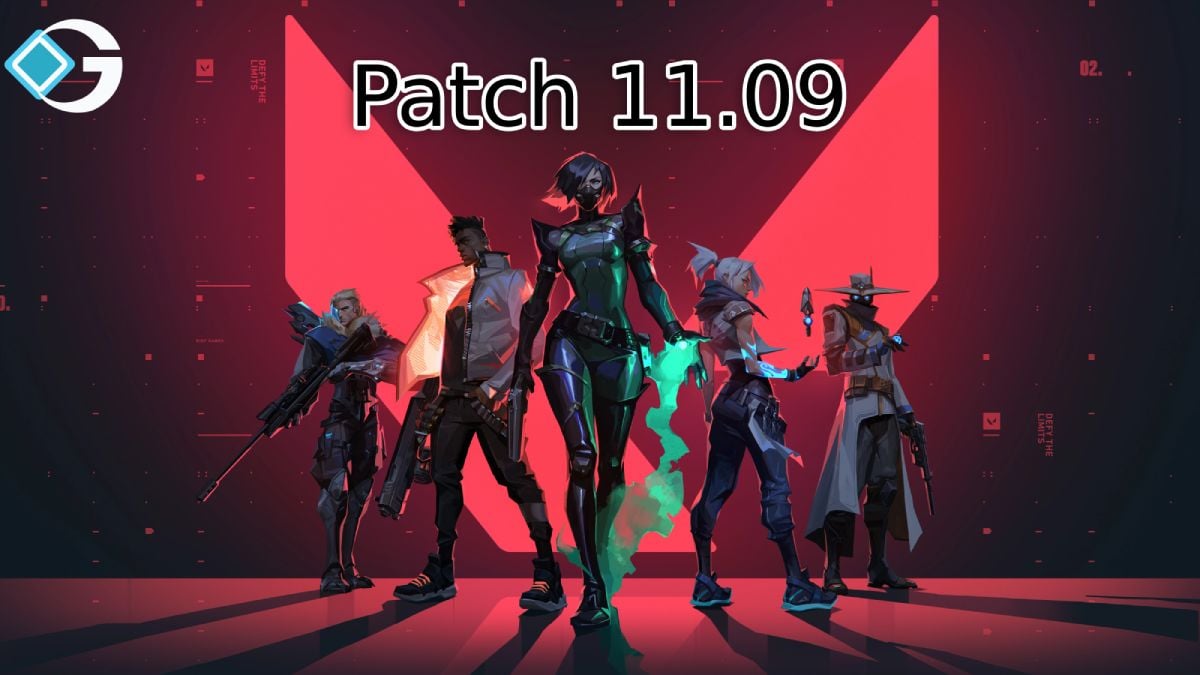
Riot Games is taking a tough stance against smurfing and unfair rank manipulation in VALORANT, beginning with Patch 11.09. Accounts that have been confirmed as purchased or boosted will now be banned.
The update follows the launch of mobile verification (multi-factor authentication, or MFA, via Riot Mobile) and additional enforcement tools aimed at improving competitive integrity and account security.
What Exactly Is Changing
Here are the key policy changes Riot is implementing in Patch 11.09:
- Purchased Accounts & Boosting Bans: Accounts that Riot is confident are either bought or used for boosting will be banned. Boosting refers to cases where one player helps another to climb ranking unfairly, or where high-skill players play on lower-ranked accounts to skew matchmaking.
- Multi-Factor Authentication (MFA) via Riot Mobile becomes required for certain accounts, especially those flagged as shared or under suspicion of boosting. This is part of Riot’s broader strategy to tighten account security and prevent abuse.
- Regions Affected Initially: The MFA requirement and upgraded enforcement will roll out first in North America, Latin America, Brazil, and South Korea.
- Higher Ranks Under More Scrutiny: Players in Ascendant and above (including Immortal and Radiant tiers) will see stricter rules in later patches (11.10), especially around account sharing or boosts.
Reason Behind This Ban
These changes respond to long-standing community frustration:
- Combat Smurfing and Rank Manipulation
Smurfs (players who use low-rank accounts to outperform newer or less experienced players) reduce match quality. Bans on purchased/boosted accounts are intended to reduce these unfair advantages. - Ensure Fair Competitive Integrity
When someone buys or boosts an account, it disrupts matchmaking and leaderboards, which degrades the experience for legitimate climbers. These restrictions are intended to keep the competitive ladder balanced. - Strengthening Account Security
Riot also discovered that many stolen accounts had Multi-Factor Authentication turned off. Making MFA mandatory for certain flagged accounts reduces fraud while also enforcing identity verification.
What Players Should Know & Do
If you play VALORANT, here’s what this means for you and how to stay in the clear:
| Action / Risk | Details |
|---|---|
| Don’t Buy Accounts | Purchase of accounts is now clearly bannable. Even if the account looks high-ranked already, if Riot detects purchase or boosting, it can be banned. |
| Avoid Boosting or Getting Boosted | Whether being the booster or having someone else boost you, it’s considered a violation. |
| Enable MFA / Riot Mobile Verification | Sharing login credentials violates the Terms of Service and can lead to penalties, especially if it looks like boosting or shared play. |
| Watch Account Sharing | NA, LATAM, BR, and KR are the first to see MFA enforcement. If you’re in one of those, you’ll want to comply early. |
| Check Region Specific Rules | Check Region-Specific Rules |
Potential Concerns
While the policy seems strong, there are some open questions and possible issues:
- False Positives: How will Riot ensure accounts are not wrongly flagged? Players may be worried about being banned for boosting when they just played with friends.
- Appeal Process: What kind of evidence or process Riot will use for appeals in cases of purchase / boosting bans remains to be clarified.
- Global Roll-out: The MFA and other rules are rolling out first in selected regions. Players elsewhere will need to watch for when similar enforcement comes to their region.
- Definition Clarity: What Riot considers “boosting” or “account purchased,” especially distinguishing between malicious boosts vs casual assisting or partner-queue play, needs to be well described.
Patch 11.09 represents an important moment for VALORANT’s position on account misconduct. Purchased accounts and boosting are no longer considered murky areas. Instead, they are clearly punishable actions.
For players, the path forward is straightforward: play fairly, avoid boosting, protect your account with MFA, and remain up to date on policy changes. As Riot tightens its detection techniques and enforcement, the competitive playing field may become far more even.