


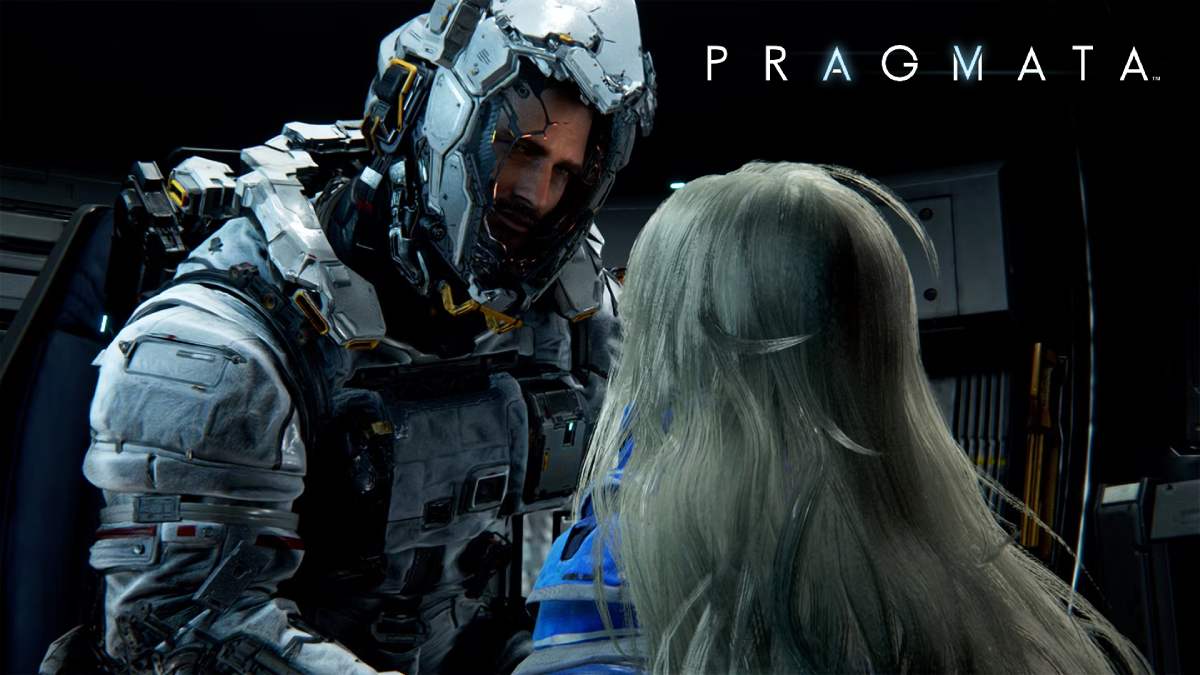
Pragmata can look simple at first. You aim, shoot, hack a few robots, and move through Capcom’s eerie lunar facility with Diana on your back. Then the game starts throwing tougher enemies, limited ammo, upgrade choices, hidden items, Red Zones, and real-time hacking pressure at you, and suddenly every bad habit starts to hurt.
If you are just starting Hugh and Diana’s journey, the best approach is to play smart from the beginning. Pragmata rewards players who explore carefully, use Diana’s hacking properly, return to the Shelter often, and spend upgrade materials with a plan. Here are the best beginner tips and tricks to help you survive the early hours and build a stronger run.
Learn Diana’s Hacking System Early
The biggest mistake beginners can make in Pragmata is treating it like a normal third-person shooter. Hugh’s guns are important, but enemies take far more damage after Diana hacks them. Pragmata’s combat is built around hacking enemies to increase your damage, with players creating a path across a grid while also trying to keep Hugh alive in real time.
That means you should not ignore the hacking minigame or rush through it blindly. Try to connect as many useful tiles as possible before reaching the green tile. Blue tiles can boost the power or duration of your hack, purple tiles can open up Critical Shot opportunities, and yellow tiles activate hacking modules. Once this system clicks, combat feels much less chaotic.
Do Not Fight Without Hacking First
In most early fights, your first instinct may be to shoot as soon as an enemy appears. That works against weaker robots for a while, but it becomes a bad habit quickly. Pragmata wants you to hack first, weaken the enemy, and then unload damage while the target is exposed.
The combat loop involves hacking an enemy to open it up before hitting it with ammunition. The enemies have weak points that flash red when hit, and damaging those spots helps build stagger for a Critical Shot.
So, before wasting your stronger ammo, hack the enemy, look for its exposed weak point, and then fire. You will save resources and end fights faster.
Save Strong Hacking Nodes For Tougher Enemies
Hacking nodes can make a big difference, but they are not something you should throw away on every small enemy. It’s better to save nodes like Decode or Multihack for larger threats instead of wasting them on weaker enemies during the opening hours.
This is especially important early on because your node slots are limited. If you burn through your best options too quickly, you may enter a harder encounter without the tools that could have made it easier. A good rule is to use basic hacking against normal enemies and save your stronger node effects for shielded enemies, elites, or bosses.
Buy Auto-Hacking As Soon As You Can
Manual hacking is one of Pragmata’s coolest mechanics, but it can also get messy when several enemies are attacking at once. Auto-hacking is a lifesaver because it lets Diana handle the hacking while you focus on dodging and shooting, and I recommend buying it early because it is cheap.
This does not mean you should stop learning manual hacking. You still want to understand the grid, tile effects, and enemy openings. But Auto-hacking gives you breathing room in fights where staying alive matters more than perfectly solving the grid yourself.
Upgrade Your Core Stats Evenly At First
Pragmata gives you several upgrade paths, so it can be tempting to dump everything into one category. However, early on, balance is safer. Leveling Suit, Primary Unit, and Hacking fairly evenly during the first few hours, ideally getting each to around level 10 before specializing.
That advice makes sense because beginners need a bit of everything. More health keeps you alive, stronger primary weapon damage helps when special weapons are limited, and better hacking makes fights smoother. Once you understand your own playstyle, you can start leaning harder into gun damage, hacking power, or survivability.
Prioritize Your Main Weapon Early
Even though balanced upgrades are useful, your main weapon deserves early attention. Prioritizing Hugh’s primary weapon because secondary weapons have limited ammo, while the Grip Gun is something you rely on constantly.
This is important because Pragmata’s powerful weapons are not always available forever. Capcom’s official gameplay page explains that Hugh can equip four weapon types, and powerful weapons break when their ammo runs out, so timing their use with Diana’s hacking is crucial.
Your primary weapon is your safety net. Make it reliable early, then use bigger weapons when enemies are hacked, exposed, or staggered.
Return To The Shelter Often
Do not treat the Shelter like a place you only visit between missions. It is one of the most useful systems in the game. Xbox Wire describes the Shelter as Hugh and Diana’s evolving hub where players can buy upgrades, equip outfits, save, talk with Diana, heal, refill repair packs, and power up mid-mission through unlockable routes.
This is a huge beginner tip because many players stay out too long, burn through resources, and then struggle through the next area underpowered. If you find a route back to the Shelter, use it. Spend materials, upgrade gear, adjust your loadout, and return stronger.
Do Training Simulations For Easy Rewards
Training Simulations are not just side content. They are one of the best early ways to collect useful resources. Training Simulations reward materials such as Upgrade Components, Pure Lunum, and Cabin Coins, all of which can improve your gear or unlock new mods.
You should check them regularly because new challenges unlock as Hugh and Diana progress, and a few minutes in these gauntlets can give enough materials to improve weapons, mods, and abilities.
If you are feeling underpowered, do not just push deeper into the next sector. Return to the Shelter, run some Training Simulations, and use the rewards to upgrade.
Explore Side Paths, But Do Not Obsess Over Every Locked Door
Pragmata hides a lot of useful items away from the main path. Players can find mods, currencies, and other upgrades around corners, mini platforming puzzles, and locked doors. However, it also warns that some items are gear-gated and may only become available later.
So yes, explore. Check corners, climb side paths, and investigate suspicious rooms. But if you cannot figure out how to reach something after a few tries, move on. Pragmata is built for some backtracking, and returning later with new tools is often the correct answer.
Buy Object Scan Early
Object Scan is one of the best quality-of-life upgrades for beginners. Object Scan helps track upgrade materials and REMs across levels, and recommends buying it as soon as it becomes available because it is cheap and has no upgrade path.
This is especially useful if you care about upgrades, collectibles, or future completion. You do not need to obsess over every item in your first hour, but Object Scan makes exploration less frustrating and helps you stay ahead of the game’s difficulty curve.
Watch For Holographic Walls
Some hidden paths in Pragmata are not obvious at first. Holographic walls often hide rooms, pathways, collectibles, and upgrade materials, and they usually appear as smooth gray metal with a visual cue when you get close.
If Object Scan shows something nearby but you cannot find the way in, slow down and check the walls. A hidden hologram may be blocking the route. These secrets are easy to miss, but they can lead to resources that make a real difference later.
Use Defense Gadgets Instead Of Hoarding Them
Many players naturally focus on damage weapons and forget about defense tools. That is a mistake. Defense gadgets can be extremely powerful, with the early Decoy Generator able to send chasing robots in the wrong direction and even work on bosses.
Do not save every defensive item for some perfect future moment. Use them when a fight starts getting messy. A well-timed decoy or defensive tool can give you enough space to heal, finish a hack, reload your rhythm, or reposition for weak-point damage.
Learn Enemy Weak Points
Once an enemy is hacked and exposed, do not just fire randomly. Look for the parts that flash red when hit. Weak-point damage builds stagger, and once the stagger gauge fills, enemies can be knocked down for a Critical Shot that instantly kills most regular foes.
This is one of the easiest ways to make Pragmata’s combat feel more manageable. Hack first, aim carefully, hit the weak point, and finish with a Critical Shot when the opportunity appears.
Spend Cabin Coins Smartly
Cabin Coins may look like a side reward at first, but they can unlock meaningful upgrades. Xbox Wire explains that Cabin’s stamp cards include major rewards such as new hacking nodes and mods, with some rewards tied to completing bingo-style lines.
Do not ignore Cabin just because some rewards look cosmetic. Check the stamp cards regularly and think about which lines lead to upgrades that match your playstyle. A good mod or hacking node can change how comfortable combat feels.
Do Not Waste Powerful Weapons Too Early
Pragmata’s stronger weapons are useful, but they are not unlimited. Capcom’s official gameplay page confirms that powerful weapons break when their ammo runs out, which makes timing important.
That means you should not panic-fire your best weapon at the start of every encounter. Use your primary weapon for smaller enemies, then bring out heavier tools when a target is hacked, staggered, or dangerous enough to justify the cost. This habit will save you from entering bigger fights with your best options already gone.
Pragmata becomes much easier once you stop playing it like a basic shooter. The game is really about rhythm. Hack enemies with Diana, expose weak points, manage your limited tools, return to the Shelter, upgrade often, and explore just enough to stay ahead.