
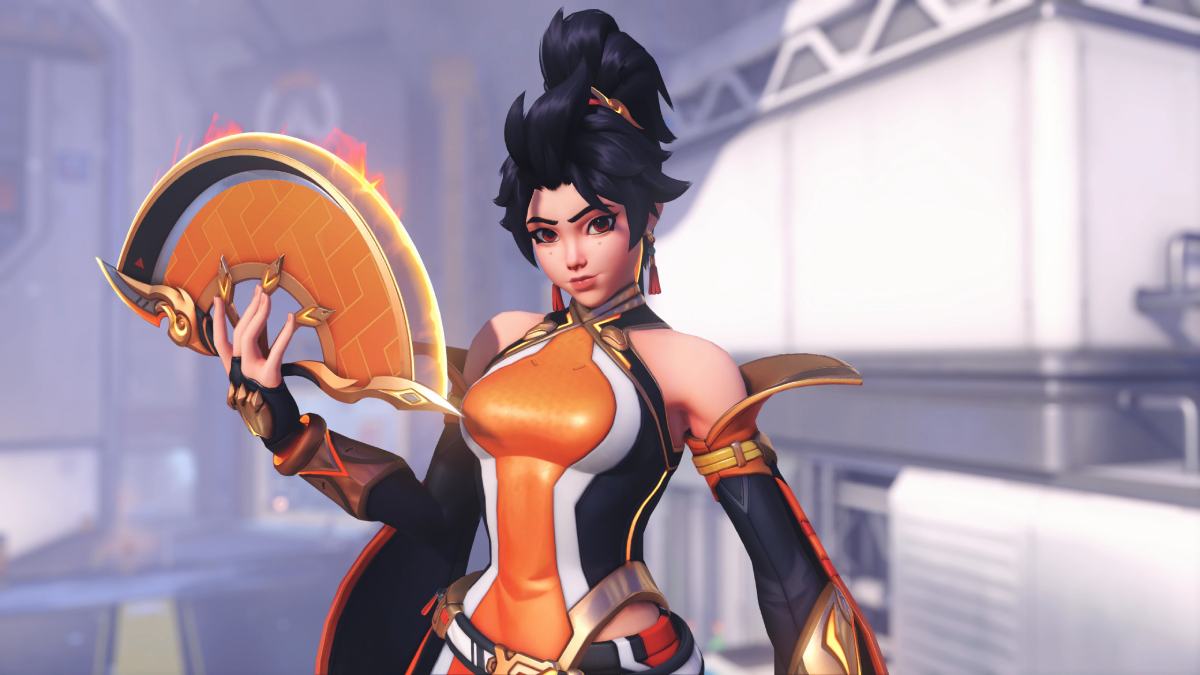
Overwatch is a dynamic universe, and Blizzard’s latest hero, Anran, has ignited a design debate unlike any the community has witnessed in recent memory. The devs are taking note. Both gamers and developers have commented on how she looks since her debut, with many wondering if her present design conveys the strong elder sister image she portrays in the story. This argument has been an important element for the franchise’s character design, with Blizzard currently promising changes to her look to better reflect that formidable role.
How People Reacted to Anran’s First Concept
Players were ecstatic when Anran made her debut during Overwatch’s spotlight event. She possesses the ability to bend fire and has a deep relationship with Wuyang, her younger brother, in the story. Her earlier depictions in the trailer and comic had sharper features and a more noticeable presence, but fans immediately observed that her in-game model seemed much softer and more conventional. A lot of players were furious about this change because they thought it was part of a bigger trend of characters looking too similar, which is commonly referred to as “same face syndrome.”
Many players resorted to social media to compare and contrast Anran’s past and present looks, debating whether or not she truly embodied the fearless and formidable character she portrayed. Because of this response, more people started talking about how Overwatch should improve its character diversity and visual identity, particularly for new characters.
Voice Actor Backs Redesign Proposals
The English actor Fareeha Andersen, who plays Anran, responded in a way that made this incident stand out. Andersen addressed the community’s complaints head-on in an open letter, admitting that she had “mourned” about the discrepancy between her ideal design and the one that players ultimately saw. She went on to say that fans should keep pushing for an Anran that more accurately represents that ideal, since previous portrayals had created expectations that Overwatch would question established beauty norms.
Andersen’s endorsement of fan sentiment lent weight to the discussion, demonstrating that even individuals responsible for the character’s creation thought the original appearance might be enhanced to better reflect her narrative role.
The Reaction and Commitment to Change by Blizzard
Aaron Keller, game director at Blizzard, has formally addressed the criticism by saying that the studio is considering redesigning Anran. Recognizing the community’s feedback, Blizzard recently posted on Overwatch’s official social media platforms that they intend to change the hero’s “looks and feels” to better represent her role as a strong elder sister. A future update is in the works for Season 1 of the game’s yearly narrative cycle, which will include these modifications.
The development team is pleased with Anran’s progress so far, but they recognize that her visual representation might use some tweaking to better represent her character and the scenario she’s in. Although the exact features and timeline for the revamp remain unknown, Blizzard’s willingness to listen to community feedback demonstrates their readiness to consider feedback from players regarding design choices.
In contemporary live service games like Overwatch, character engagement is greatly influenced by visual identity, as the Anran redesign conversation demonstrates. Players choose heroes that are distinct from others, have interesting backstories, and stand out. Disconnect and dissatisfaction can ensue when a character’s appearance doesn’t live up to user expectations. This is particularly true in games where team composition and community interest revolve around roster identity.
A precedent for future hero design and the influence of player feedback on development could be set by Blizzard’s willingness to reconsider Anran’s design. Maintaining player investment will be crucial as Overwatch evolves with new seasons and story arcs. Ensuring that characters express both narrative depth and visual strength is crucial.