



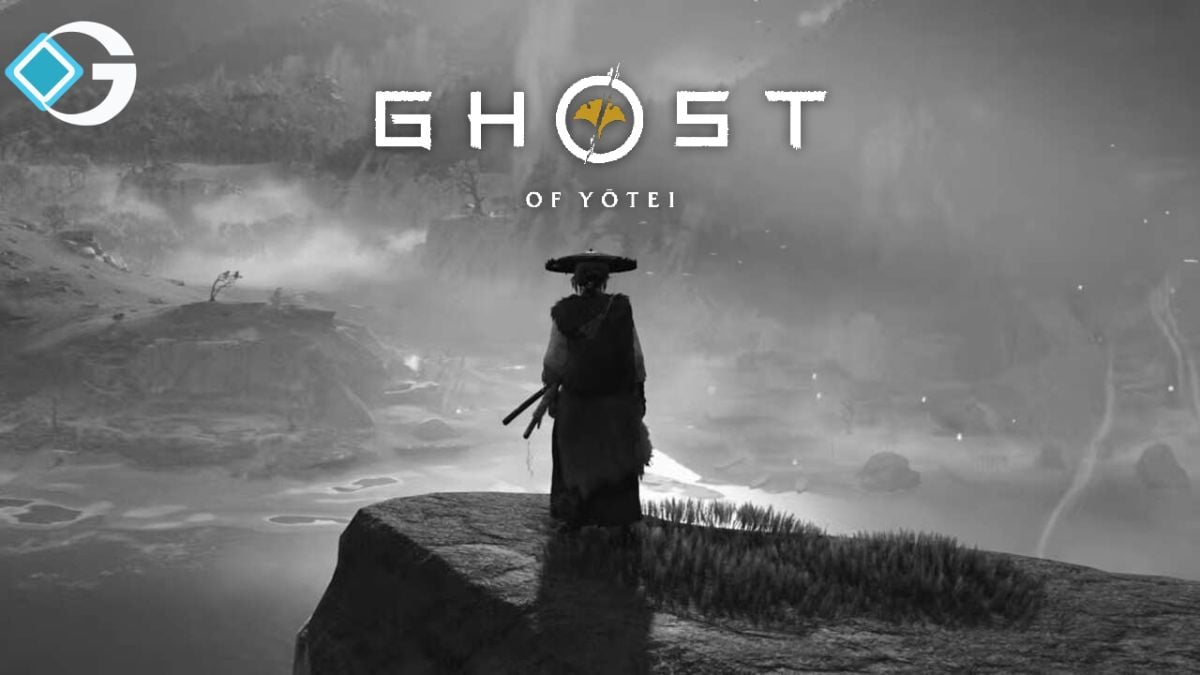
Ghost of Yōtei goes beyond only graphics and plot in its cinematic goals. Sucker Punch is adding visual and audio options influenced by directors, so you can go through Atsu’s revenge quest in the style of Kurosawa, Miike, or Watanabe. These settings don’t simply vary the filters; they also modify the tone, the level of immersion, and even how the game feels. This article goes into great detail on Kurosawa Mode, Miike Mode, and Watanabe Mode, so you can find out what each one does and which one works best for you.
What Are Cinematic / Director Modes?
Ghost of Yōtei has cinematic settings that let players change how the world feels by adding visual or audio styles from genuine filmmakers. These modes are optional presentation presets. You can choose between different modes according to what you want to do or how you feel. For example, you can have a stark samurai drama, harsh visceral fighting, or a relaxed voyage with ambient beats.
These modes are based on what Ghost of Tsushima added with Kurosawa Mode, but Yōtei goes even further by adding two new alternatives that are more modern and show a wider range of cinematic inspirations.
Mode Deep Dive: Kurosawa, Miike & Watanabe
1. Kurosawa Mode (The Classic Samurai Drama)
- Visuals: Black-and-white imagery, film grain, high contrast, emphasis on silhouettes.
- Audio / Sound: Voices become muffled or tinny, and ambient wind is amplified, giving the sense of an old film.
- Experience & Pros / Cons:
- Emphasizes drama and composition.
- Heightens emotional gravitas in duels and story moments.
- But it can reduce visual clarity, especially in stealth or low-visibility areas (color cues, enemy outlines may suffer).
Kurosawa Mode is ideal when you want Ghost of Yōtei to feel like a classical samurai film — moody, poetic, stark.
2. Miike Mode (Close, Gritty, and Unflinching)
- Camera & Presentation: During combat, the camera zooms in closer on Atsu and her enemies. It equates to less pullback, more intensity.
- Visual Effects: Blood, mud splatter, dirt, and grit are all accentuated to make fights feel more visceral and raw.
- Gameplay Feel / Impact:
- Enhances the brutality of close-quarters confrontations.
- Makes every slash feel weighty and personal.
- However, because the camera is tighter, you’ll have less room to see surrounding enemies or escape routes, making fights potentially more challenging.
If you want your combat to feel cinematic and visceral, Miike Mode amps up the tension and immersion.
3. Watanabe Mode (Chill Beats & Mood Over Hype)
- Audio Integration: In this mode, the game swaps in lo-fi beats during exploration and even parts of combat. These tracks were curated/directed by Shinichirō Watanabe himself.
- Visuals / Harmony: The visuals remain mostly unchanged from the base game; it’s the musical ambience and pacing comfort that define this mode.
- Experience & Use Cases:
- Great when you just want to explore, take in the scenery, breathe between fights.
- Creates a relaxed contrast to the game’s inherent violence.
- Note: In story cutscenes or intense set pieces, the default dramatic orchestrations may return (Watanabe mode is more for in-world ambient layering).
Watanabe Mode is for gamers who want to relax and enjoy the landscape around them while they fight.
You could compare it to editing a movie: the style changes to fit what you’re doing. You may start off in Watanabe Mode, switch to Kurosawa for a battle, and then move all the way to Miike when the fight becomes really bad.
Ghost of Yōtei doesn’t only let you play; it lets you enjoy the experience in three separate ways, like a movie. The fact that Watanabe’s lo-fi songs are in the mix indicates how game and film/music culture are becoming more similar.