

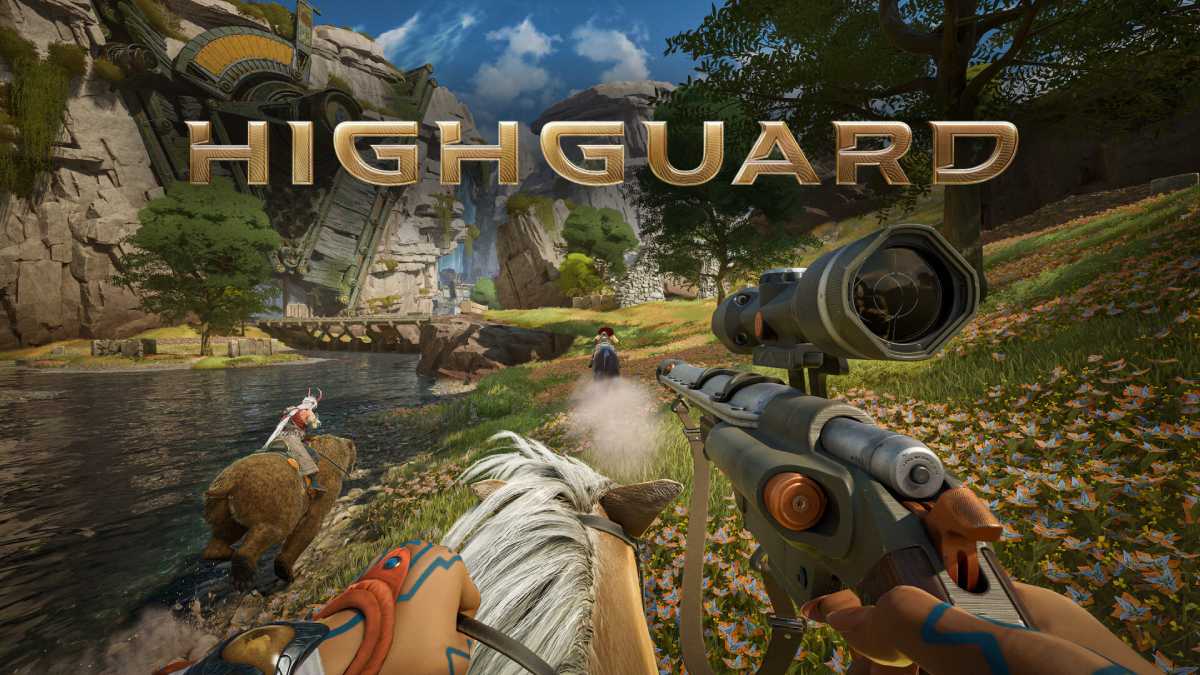
Highguard is officially launching tomorrow, January 26, 2026, and it is already one of the most debated shooter releases of the year. Not because the game has been in a years-long marketing cycle, or because fans have been hyped since day one, but because the internet has basically decided it needs to “prove itself” before it even gets a fair shot.
After its strange reveal placement at The Game Awards 2025, Highguard became a lightning rod for criticism, memes, and premature doomsday predictions. Now, with the launch right around the corner and streamer gameplay impressions dropping alongside release, Highguard has one final chance to flip the narrative.
The big question is simple. Will Highguard avoid becoming “Concord 2.0,” or is the internet already too locked in on that comparison?
Why Highguard’s Game Awards Reveal Sparked Instant Backlash
Highguard was first revealed at the very end of The Game Awards 2025, taking the coveted final trailer slot. Traditionally, that “one more thing” moment is reserved for massive legacy franchises or shocking, industry-shaking reveals, so expectations were sky high.
Instead, audiences got a brand new shooter IP with a tone and style that many viewers immediately labeled as generic. The disappointment hit fast, and the reaction online quickly turned into a pile-on. Some fans even accused the studio of paying big money just to secure the spotlight.
That rumor spread so widely that it became part of Highguard’s identity overnight. But later reporting suggested Highguard did not actually pay for the slot, and that Geoff Keighley offered the position because he personally believed the game deserved it.
That clarification helped, but not enough to stop the damage. If anything, it added fuel to the fire because it made the reveal feel even more like a forced push, which is the exact kind of thing online gaming communities tend to reject.
The Radio Silence Problem Made Everything Worse
After the initial reveal trailer, Highguard went quiet.
No big follow-up trailers, no extended gameplay breakdown, and no major developer communication for weeks. That silence created the perfect environment for speculation, especially when the first trailer was already divisive.
Some players assumed the worst and joked that Highguard was doomed before it even released, while others started throwing around cancellation theories. The longer the silence lasted, the more it felt like the project was slipping into the same live service uncertainty that has haunted multiple shooters over the last few years.
Only recently did Wildlight Entertainment finally resurface and confirm it would break its silence with a launch day stream and gameplay showcase on January 26, the same day the game goes live.
What Highguard Actually Is, And Why It Might Surprise People
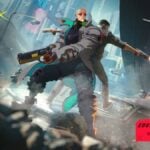
A lot of the early hate toward Highguard came from the assumption that it was just another hero shooter chasing trends. But Highguard’s pitch is slightly different from the usual formula. Highguard is described as a free-to-play PvP raid shooter where players control Wardens, arcane gunslingers fighting for control over a mythical continent.
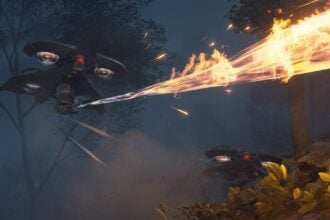
Instead of dropping into a battle royale match or running pure objective modes like a traditional hero shooter, Highguard revolves around a two-phase structure. Teams fight to gain control of something called the Shieldbreaker, then use it to push into and destroy the enemy base.
That concept is important because it gives Highguard a clear identity beyond just “Overwatch but new.” Even if it still shares the visual language of modern shooters, the flow sounds more like a competitive raid race than a typical match-based arena shooter.
Why People Keep Calling It “Concord 2.0”
The Concord comparison did not come out of nowhere. It became a shortcut for gamer skepticism, especially toward polished, studio-backed shooters that feel like they were built by committee.
After the Game Awards reveal, some players instantly started asking the same question across social media. Is this going to be another live service shooter that launches, fails to build momentum, and collapses before it gets a real chance?
That “Concord 2.0” label stuck hard enough that it became part of Highguard discourse almost immediately, with the game being treated like a cautionary tale in real time. And the truth is, online perception matters more than ever for games like this. When a free-to-play shooter launches, it is not just competing against new releases. It is competing against every game already installed on your SSD.
The Apex Legends And Titanfall Legacy Could Be Highguard’s Saving Grace
The biggest argument in Highguard’s favor is the team behind it. Wildlight Entertainment includes developers with experience on Apex Legends and Titanfall, and that history alone makes some players optimistic.
Respawn’s influence on movement, gunplay feel, and match pacing shaped an entire era of shooters, so the hope is that Highguard can deliver a similar magic. Not necessarily by copying those games, but by applying the same design discipline that made them stand out.
If Highguard launches with tight shooting, smooth pacing, and strong match flow, it could instantly separate itself from the “generic shooter” label it has been carrying since reveal day.
The Streamer Gameplay Embargo Might Decide The Entire Launch Narrative
Highguard is doing something risky, but potentially smart. Its gameplay impressions from streamers and creators are expected to go live alongside launch day, meaning the first real test will happen publicly, instantly, and at scale.
This can go two ways. If creators log in and the matches look chaotic, unbalanced, or bland, the “Concord 2.0” crowd will feel validated within hours. But if the gameplay loop looks fresh and the action is genuinely fun to watch, Highguard could flip public opinion fast. Shooters live and die by momentum, and influencer coverage is basically the ignition. The good news is that Highguard is at least putting its gameplay front and center at launch, which is exactly what it needed after weeks of silence.
So, Will Highguard Avoid The Concord 2.0 Comparison?
Highguard is not doomed just because people are comparing it to Concord. But escaping that shadow will require more than a solid launch. It needs a fun core loop, strong server stability, and a reason for players to stay beyond the first weekend. It also needs to prove that it is not just another hero shooter with a slightly different coat of paint, and its PvP raid structure might be the feature that helps it do that.
At the same time, Highguard is launching in a brutal era for shooters where players are exhausted, skeptical, and tired of being told what they should be excited about. That was the biggest mistake of the Game Awards reveal slot, even if the intention was good.
Tomorrow, the memes stop, and the gameplay finally speaks. And if Highguard really has the DNA of the Apex Legends and Titanfall talent behind it, then January 26 might not be the start of another shooter flop story. It might be the beginning of a comeback that nobody saw coming.