



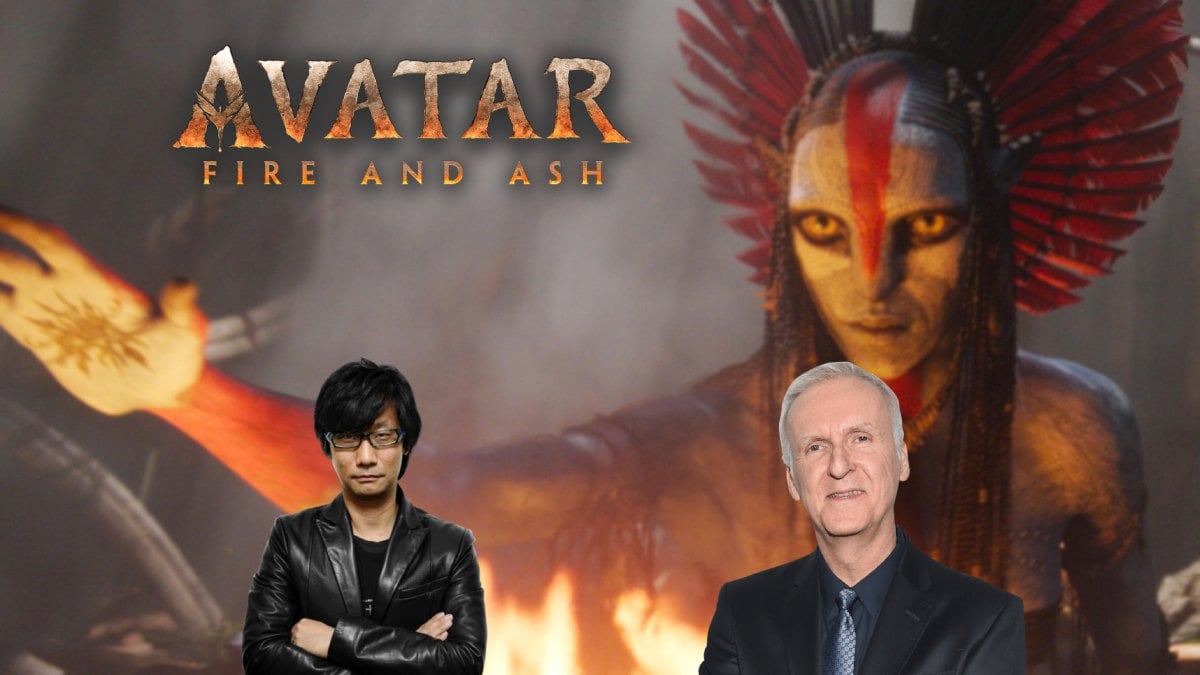
Hideo Kojima, the visionary behind the iconic Metal Gear and Death Stranding, recently expressed a heartfelt response to James Cameron’s Avatar: Fire and Ash. He revealed that the film has rekindled his sense of “pride” and “courage” as he contemplates the future of his digital creative endeavors. Kojima took to platform X/Twitter to share how the blockbuster reignited his passion for creating digital entertainment and fueled his excitement for the future.
Why Kojima Was Moved by Avatar: Fire and Ash
Kojima shared his thoughts on social media after viewing Avatar 3, commending the film for its bold vision and meticulous attention to detail. The film vividly illustrated the essence of genuine creative philosophy in action, evoking the emotional roots that originally fueled his own artistic journey.
Kojima’s honest reflection holds great importance as it recognizes both the emotional depth of Cameron’s storytelling and the enduring technical artistry that remains vital in film and digital media today.
Practical Effects, Digital Production, and Today’s Trend
Kojima’s commentary delved into a wider industry discussion: the rising appeal of practical effects in contrast to digitally created visuals. Critics and fans have been enthusiastically praising films that emphasize practical, in-camera effects, frequently asserting that these techniques deliver a more “real” or authentic experience. Simultaneously, digital production — particularly full CG — often faces unjust criticism, perceived as less valuable due to its ease, speed, or prominence in contemporary filmmaking.
Kojima recognized the nuances of this discussion, highlighting that although practical effects are in vogue and receive significant acclaim from critics, digital methods — such as CG — continue to require remarkable skill, creativity, and dedicated human effort behind the scenes.
Kojima Praises James Cameron’s Technical Expertise
The standout aspect of Kojima’s message was his open appreciation for the work of James Cameron. Kojima highlighted that digital filmmaking should not be viewed as inferior to analog methods. Instead, he pointed out that it is crafted by dedicated individuals — programmers, artists, and technicians — and has the potential to deliver profoundly impactful experiences when approached with intention and skill.
He expressed his gratitude to Cameron, noting that the director’s innovative use of technology in Avatar 3 motivated him to continue advancing in his own digital endeavors. This holds particular significance when it comes from Kojima, a visionary whose games frequently intertwine cinematic narrative with interactive digital artistry.
What This Means for Kojima’s Future Digital Ventures
Kojima’s newfound inspiration from Avatar goes beyond mere words; he expressed that the film instilled in him the confidence and courage to push the boundaries of digital technology and entertainment. That’s thrilling news for gamers and industry enthusiasts alike.
Kojima Productions has teased bold storytelling and innovative technical approaches in its upcoming projects, and this public endorsement of Avatar indicates that Kojima is poised to embrace future endeavors with heightened creative ambition and technological zeal.
From reimagining narrative frameworks to exploring cutting-edge technology and crafting innovative interactive experiences, his latest remarks showcase a vibrant enthusiasm and a readiness to embrace the future.
The Takeaway: A Creative Crossroads Between Film and Games
Hideo Kojima’s reaction to Avatar: The Seed Bearer reflects a larger trend in entertainment: the convergence of film and digital media. While practical effects are rightly celebrated for visceral impact, digital creation — when mastered — can unlock storytelling possibilities that were previously unimaginable. Kojima’s own journey, from Metal Gear to Death Stranding and beyond, shows that both worlds can inform and elevate each other.