



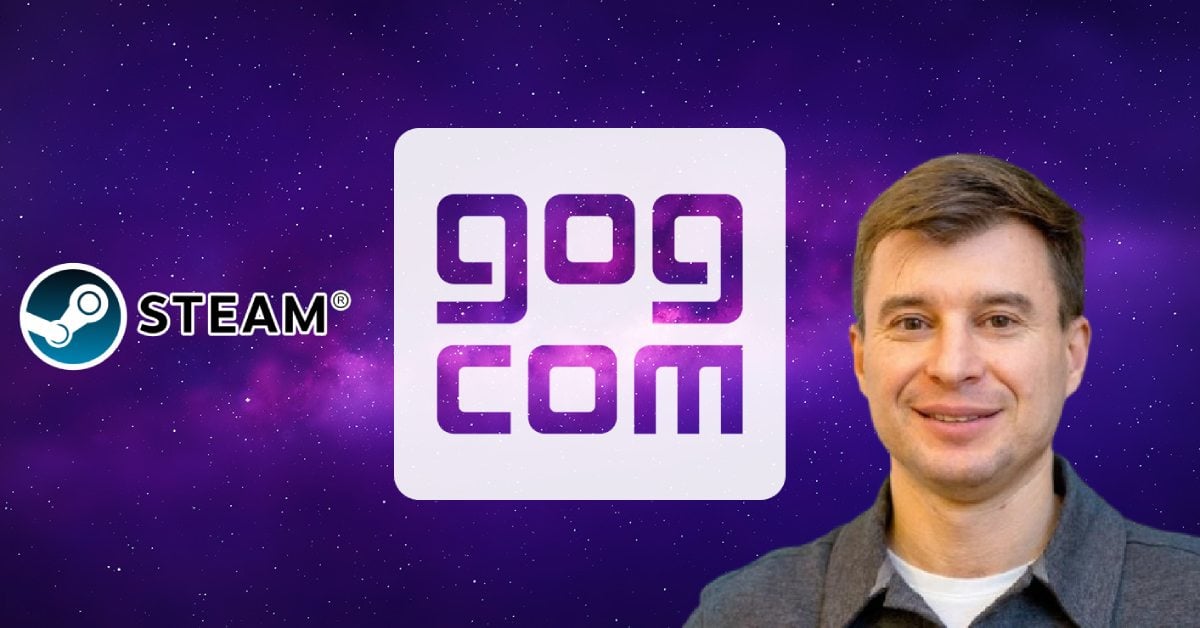
In a wide-ranging January 12 interview, Michal Kiciński, co-founder of GOG and CD Projekt, shared his vision for the future of the independent DRM-free game storefront. Since completing the acquisition of GOG from CD Projekt at the end of 2025, Kiciński has outlined a strategy centered on curated quality, classic preservation, and thoughtful remasters. His comments also touched on the strengths and weaknesses of Steam, the dominant digital distribution platform from Valve.
Recognizing Steam’s Strength in Usability
Kiciński openly acknowledged that Steam’s interface and user friendliness have played a major role in its success. He described Steam as “winning with its ease of use,” noting that its intuitive store layout and features help guide millions of players through browsing, purchasing, and playing games. For many gamers, this usability is a cornerstone of the platform’s continued dominance in the PC gaming market. Kiciński’s respect for Steam’s streamlined processes is notable given his own commitment to improving GOG’s user experience through its Galaxy client and platform refinements.
Steam supporters often point to the platform’s deep integration with community features, extensive mod support, frequent sales, and strong backing for indie developers. These features help foster a vibrant ecosystem where players discover and share experiences across genres and studios. While Kiciński acknowledged Steam’s achievements in these areas, he also reiterated that ease of use should be complemented by thoughtful platform curation rather than sheer volume.
Critique of Steam’s Game Flood Model
Despite praising Steam’s usability, Kiciński didn’t shy away from criticizing what he called the “flood” of new releases the platform publishes daily. He contrasted this with GOG’s own focus on select high-quality titles, saying that Steam’s model of releasing dozens of games each day often results in an overwhelming catalogue filled with many offerings that are not necessarily noteworthy. By highlighting this issue, Kiciński underscored his belief that curation matters more than quantity when delivering value to gamers.
This critique reflects a broader industry discussion about discoverability and oversaturation. With Valve’s platform often listing 50 to 70 new titles in a single day, many lesser-known indie releases can struggle to gain visibility. Kiciński’s remarks echo concerns shared by some developers and players who feel that important games can get lost in the noise.
GOG’s Curated Future Focus
Under Kiciński’s leadership, GOG is positioning itself as a curated alternative to the high-volume approach taken by Steam. The platform retains its core commitment to DRM-free ownership, meaning players truly own the games they purchase without digital locks or forced online checks. GOG also emphasizes the preservation of classic games and supporting modern remasters that honor gaming history while enhancing compatibility for current systems.
This vision aligns with GOG’s historic identity and offers a distinct path in the competitive digital storefront landscape. By focusing on quality over quantity, GOG aims to give players a more intentional and meaningful selection of games, helping them discover titles worth playing rather than simply increasing overall listings.