



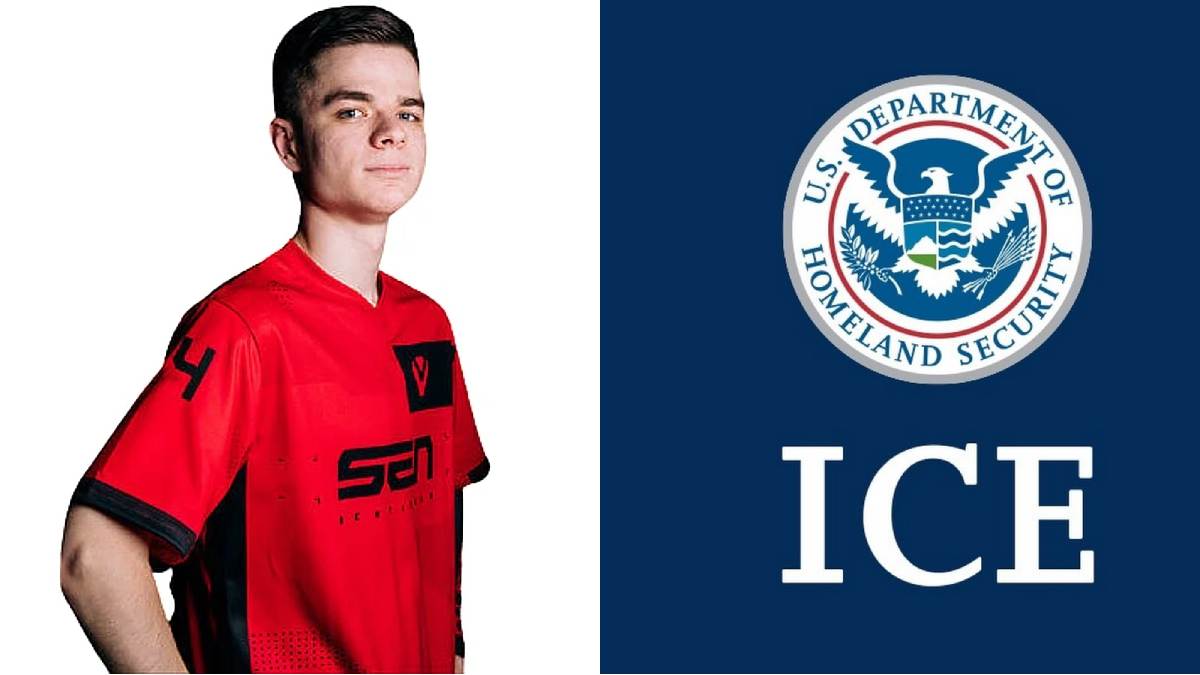
In the competitive gaming world, controversies sometimes extend far beyond the server. Former professional VALORANT player Hunter “SicK” Mims recently sparked an online firestorm after publicly expressing strong support for deportations and U.S. Immigration and Customs Enforcement (ICE). SicK’s comments have become a flashpoint in a broader debate about immigration policy, free speech, and public conduct among gaming personalities.
SicK’s Pro-Deportation Post Shakes Esports Community
SicK, a 26-year-old retired VALORANT athlete known for his time in the professional scene, took to X to share his stance on immigration enforcement. In his post, he wrote that he “fully supports deportations” and lauded ICE agents for “cleaning up our country.” These remarks quickly drew hundreds of replies, with a majority condemning his stance as discriminatory and harmful.
Critics in the gaming world pointed to SicK’s past legal controversies and arrests as they challenged his credibility and motivations. Others argued that his political commentary was inappropriate for someone with influence in a global community that includes many immigrants and diverse backgrounds.
Deportations and Enforcement in 2025 and 2026
SicK’s post comes amid heightened immigration enforcement in the United States under the second Trump administration. Government agencies have increasingly focused on detaining and removing individuals without legal immigration status, with reported totals reaching hundreds of thousands since early 2025. These actions have ignited sharp debate nationwide.
Supporters of stricter enforcement echo SicK’s framing that stronger borders are necessary for economic stability and national security. Meanwhile, migrant rights groups and civil liberties advocates warn that aggressive deportation tactics tear families apart, damage communities, and disrupt labor markets.
Gaming Community’s Reaction
Immediately after his X post, responses poured in from fans, fellow players, and critics alike. Many accused SicK of racism or of promoting harmful stereotypes about immigrants. Some defensive voices cited economic anxieties, arguing that immigration can impact jobs and public services, similar to narratives seen in debates across Europe and North America.
In an industry where personality and identity are often as visible as gameplay, comments like SicK’s highlight the risks that come with public political expression. Professional players and content creators sometimes face backlash when venturing into charged political territory, and SicK’s example underscores how quickly disagreements can become widespread arguments online.
SicK’s situation serves as a reminder that esports figures, like athletes in traditional sports, wield influence that extends beyond games. Their opinions can shape fan perspectives, spark discussions, and, as in this case, stir controversy across political lines.
As the VALORANT community continues to grow and diversify, expectations around conduct and public discourse will likely evolve. Fans, sponsors, and organizations all play a role in deciding what views are acceptable and how influencers balance personal expression with professional responsibility.