



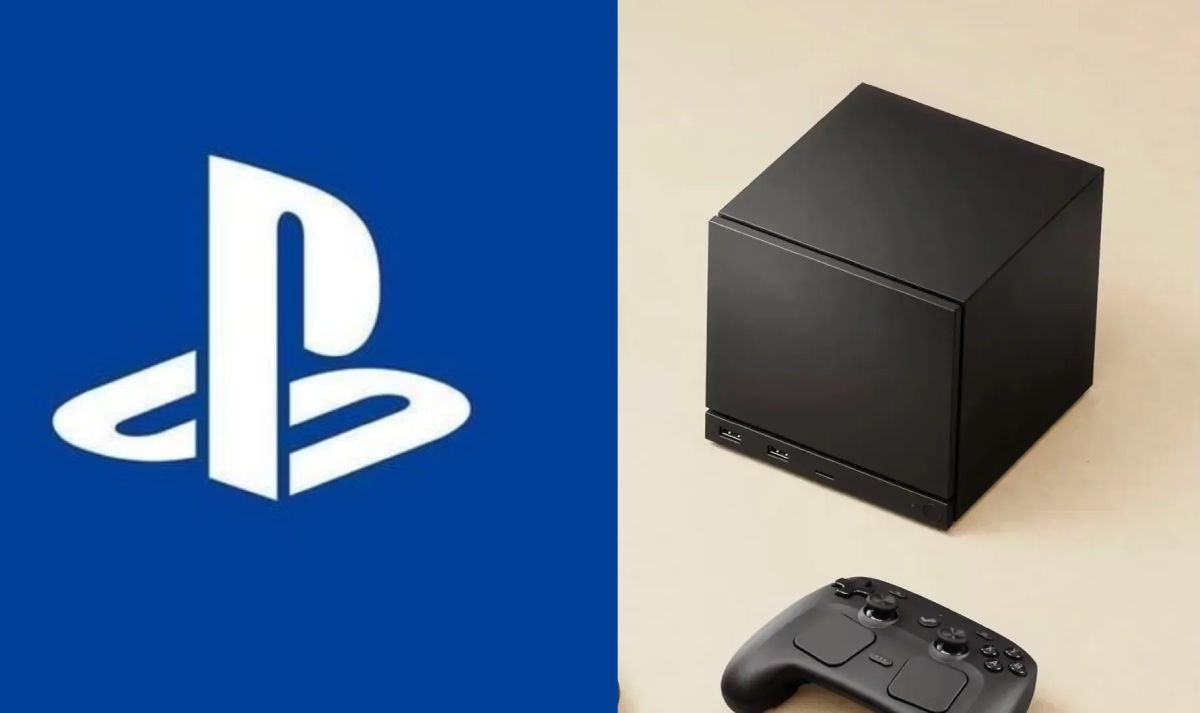
Sony reportedly pulling back from major PlayStation PC ports has sparked a lot of debate, especially after former Blizzard president Mike Ybarra argued that the decision is actually logical. His take is pretty simple. In his view, Sony is no longer just watching Xbox. It is watching Valve.
That argument landed right after reports claimed Sony is moving away from bringing big single-player PlayStation games to PC, with titles like Ghost of Yotei and Saros now expected to remain on PS5 instead. At the same time, multiplayer projects and some third-party published games are still expected to launch across platforms.
Sony is making the right call, according to Mike Ybarra
Ybarra’s argument is not really about PC players being unimportant. It is about market positioning. He said Sony views Valve as a major new competitor and pointed to the Steam Machine and a broader SteamOS push into living rooms as the bigger strategic threat. In that framing, continuing to bring every major PlayStation hit to PC would make it easier for players to stay inside Valve’s ecosystem instead of buying into PlayStation hardware.
That is the key reason his comment has resonated. Till now, the common assumption was that Sony’s main rival in the console space was Microsoft. But if Valve is now building a stronger living room presence through Steam hardware and SteamOS, Sony may see PC releases very differently than it did a few years ago.
Sony’s reported PC strategy shift is a big change
What makes this story more interesting is that Sony was clearly moving in the opposite direction not long ago. In 2021, Sony acquired Nixxes, a studio well known for its technical work and PC expertise, specifically to strengthen PlayStation Studios’ technical capabilities. That move was widely seen as part of Sony’s growing PC ambitions.
Sony also previously told investors it expected around half of its releases to be on PC and mobile by 2025. That made the company’s recent reported pivot stand out even more. If the new reporting is accurate, Sony has gone from expanding aggressively onto PC to treating some of its biggest single-player games as console exclusives again.
Sony wants to protect the PlayStation ecosystem
From Sony’s perspective, exclusives are not just games. They are system sellers. When a blockbuster stays tied to PlayStation hardware, it helps give the console a clearer identity and a stronger reason to exist in a market where platform lines are getting blurrier.
That is why this decision can look logical even if it disappoints PC players. If Sony believes future competition is shifting away from the old PlayStation versus Xbox battle and toward a living room fight against SteamOS powered devices, then protecting its exclusives starts to look less like stubbornness and more like a defensive business move. Recent PC sales underperformed expectations, which gives Sony even more reason to refocus on its own hardware ecosystem.
Valve may be the bigger long-term threat
Valve is a very different kind of competitor. It does not need to beat PlayStation by selling a traditional console in the same way Microsoft or Nintendo does. It can win by making PC gaming easier, cheaper, and more comfortable in the living room. If SteamOS devices keep growing, Sony could end up facing a rival that combines the openness of PC with the convenience of a console.
That possibility sits at the center of Ybarra’s point. Sony may feel that releasing more first-party games on PC trains players to value the Steam ecosystem while weakening the importance of owning a PlayStation in the first place. If Sony really sees Valve as the next major threat, pulling back on PC ports becomes easier to understand.
This reported shift suggests Sony still believes exclusives matter. Even in an era of cross-platform releases, subscriptions, and live service pushes, the company may be betting that prestige single-player games remain one of its strongest weapons.
Though the message is less exciting. Sony’s biggest cinematic single-player titles helped expand the audience for franchises like God of War, Horizon, and The Last of Us. A rollback would likely mean fewer day one hopes and a much smaller pipeline of future PlayStation ports. That said, reports suggest multiplayer games and some externally developed projects are still expected to come to PC, so Sony is not abandoning the platform entirely.
Sony stopping PlayStation hits on PC may be unpopular, but it is not hard to understand
Mike Ybarra’s comment cuts through the surface-level outrage and gets to the real issue. This is not only about game sales. It is about platform control.
If Sony believes Valve is moving into the living room with real momentum, then giving Steam more access to PlayStation’s biggest exclusives may feel like helping a future rival grow stronger. That does not mean every player will agree with the decision. But from a business standpoint, it does make sense.
And that is probably why this conversation has taken off so quickly. For the first time in a while, Sony’s biggest strategic concern may not be Xbox at all. It may be Steam.