


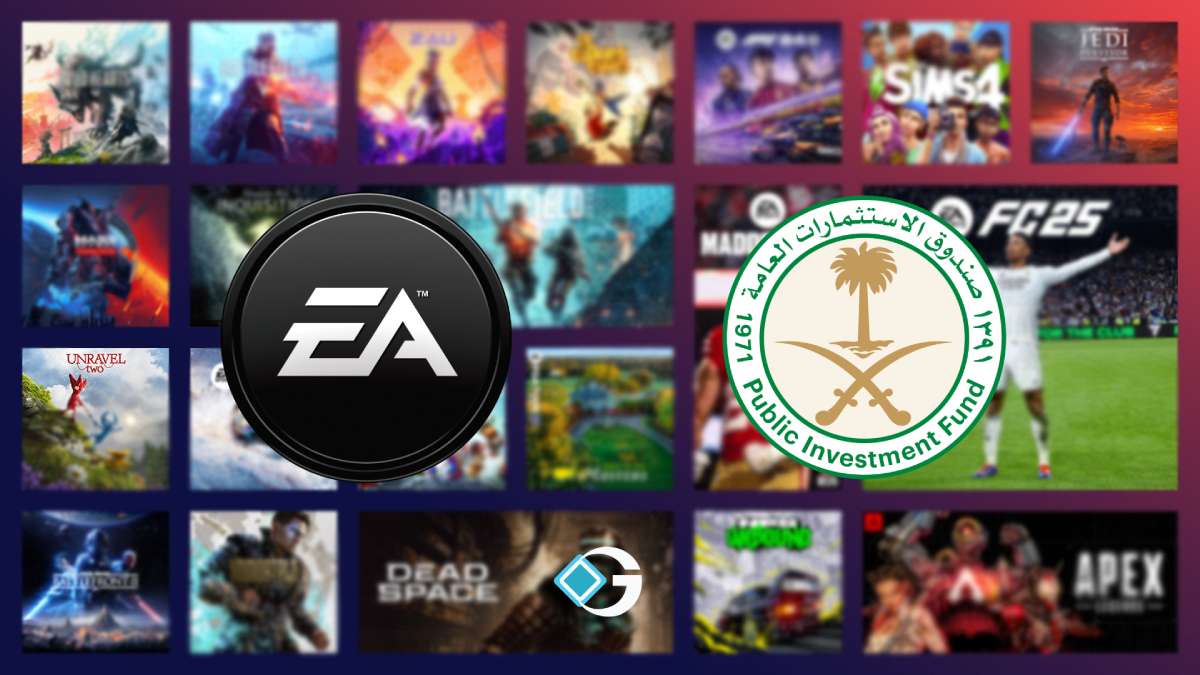
In a massive deal that will shake up the gaming industry, Electronic Arts (EA) has formally accepted being bought out for over $55 billion and will become a privately owned corporation. The Saudi Arabian Public Investment Fund (PIF), private equity company Silver Lake, and Affinity Partners, chaired by Jared Kushner, are all part of the group that is acquiring the company. Expected to occur in EA’s fiscal Q1 2027, the firm will be delisted from public markets once the transaction closes.
On its face, this is the largest leveraged buyout in the history of the video game sector. For gamers and industry watchers alike, the burning question is: how will this change the future of EA’s big franchises like Apex Legends, FIFA / EA Sports FC, Battlefield, and others?
In this article, I’ll explore possible impacts, both optimistic and cautionary, on EA’s most prominent IPs, business strategy, and game development under private ownership.
What the Acquisition Means in Broad Strokes
Before diving into specific game franchises, it helps to understand what such a buyout implies structurally and strategically:
EA shareholders will receive $210 per share in cash. The deal is structured with roughly $36 billion in equity from the acquiring partners plus $20 billion in debt financing, led by JPMorgan.
EA will retain its headquarters in Redwood City, California, and Andrew Wilson is expected to remain as CEO. Because EA will no longer be publicly traded, it can avoid quarterly earnings pressure and some of the short-term scrutiny that public companies face.
That last point is key: private ownership could give EA more runway to experiment, invest in long-term projects, or shift strategy without waking up to stock market volatility. Conversely, heavy debt burdens often come with cost control and efficiency pressures.
With that context in mind, let’s speculate what these changes might mean for EA’s showpiece titles.
Impact on Major EA Franchises
Apex Legends (Respawn / EA’s Live Services)
Opportunities/positives:
- Long-term investment freedom: Apex Legends is a live-service title, and these kinds of games benefit when developers aren’t under constant pressure to deliver short-term revenue upticks. Under private ownership, EA might allocate more resources to evolving new battle passes, seasonal content, or deeper features like cross-platform events, larger maps, or even spin-off modes.
- Cross-studio synergies: With fewer public constraints, EA may be more willing to coordinate between Respawn, EA Sports, and other divisions—for example, integrating esports or cross-IP crossovers in ways that might have been deemed too high-risk under public scrutiny.
- Risk appetite for innovation: Private companies may be more willing to experiment with radical gameplay changes, more aggressive anti-cheat systems, or emergent mechanics (e.g. more dynamic worlds) that may be harder to rationalize under quarterly revenues.
Risks/challenges:
- Cost pressures from debt: The debt financing component might force cost optimization over experimentation. If overheads or support costs become a target, live-service titles that require continuous backend upkeep might see tighter budgets.
- Monetization scrutiny: EA has historically been criticized for aggressive monetization (microtransactions, battle pass pricing, etc.). Under private control, the risk is that such practices might intensify if the new owners push for maximum yield per user.
- Talent retention: Large organizational changes can lead to internal disruption or turnover. If key personnel in Respawn or supporting teams depart, Apex’s roadmap could suffer delays or scope cuts.
FIFA / EA Sports FC & the Sports Franchises
EA’s sports franchises have long been cash cows because of licensing deals, annual releases, and embedded in-game economies. The acquisition could shake things up in these ways:
Potential positives:
- Longer investment cycles: Without the imperative to hit revenue targets every quarter, EA might better sustain multi-year enhancements—improvements to physics, matchmaking, immersive storytelling modes (like career mode), or deeper club ownership systems.
- Diversification into adjacent experiences: We might see more integration of Web3-adjacent systems (if regulators permit), more immersive digital stadiums, VR/AR tie-ins, or cross-sport narrative attempts (e.g., bridging soccer, NFL, F1).
- Globalization push: With backing from sovereign wealth funds, EA may prioritize emerging markets (Latin America, Southeast Asia, Africa) more aggressively, localizing content or customizing monetization for those regions.
Potential negatives:
- License renegotiation pressures: Sports licenses (FIFA, NFL, etc.) are expensive. Under a leveraged structure, EA might try to renegotiate deals or push increased revenue-sharing with leagues, which might upset partners or affect content fidelity.
- Annualization fatigue: Some critics have long argued that annual sports releases stagnate. With more freedom, EA could skip some cycles or compress releases, but debt constraints might pressure them to maintain an annual cadence anyway (to preserve predictable revenue).
- Higher monetization tilt: More aggressive in-game purchases (cosmetics, pack monetization) might creep even more, especially in markets less concerned with public perception.
Battlefield, Mass Effect, Dragon Age & Other Big IPs
EA’s non-sports, narrative, or action franchises may face a different set of dynamics:
Upside possibilities:
- Longer development cycles: Private ownership could enable multi-year, high-risk projects rather than incremental sequels. IP like Dragon Age or Mass Effect might get more breathing room for deeper reinventions.
- Cross-IP experimentation: EA may be more willing to create spin-offs or hybrid genres (e.g., FPS–RPG mashups, live-service single player hybrids) across its IP portfolio.
- Consolidation of studios: EA might streamline (or restructure) its divisions more aggressively to share tech, reduce duplication, and push unified engines across franchises.
Downsides to watch:
- Cost-cutting on less-profitable IPs: Under debt pressure, titles that aren’t trending or delivering returns might get deprioritized or canceled mid-development.
- Risk aversion creeping in over time: Private firms often emphasize operational efficiency and predictable returns. Over time, that can stifle bold creative gambles.
- Talent drain: If some development studios feel insecure or squeezed, key creative leads may exit for more stable or visionary studios outside EA.
What This Means for Gamers & the Future
For players, the outcome could swing either way:
- In the best case, EA uses this flexibility to deliver bolder, deeper, more experimental games, reduce needless annualization, and invest in long-term community trust and quality.
- In a more cautious scenario, the corporate pressure to service debt could push EA toward more aggressive monetization, sequels over innovation, and a narrower focus on sure bets.
Looking at this acquisition from a broader perspective, it shows that sovereign funds and serious investors increasingly see game IPs as huge, resilient, and culturally significant assets. It also accelerates the trend toward mega-scale acquisitions spearheaded by private equity and gaming consolidation.
Assuming all goes according to plan, the deal’s completion will mark a turning point in the history of not only EA but also the future of gaming in terms of funding, governance, and game development.