
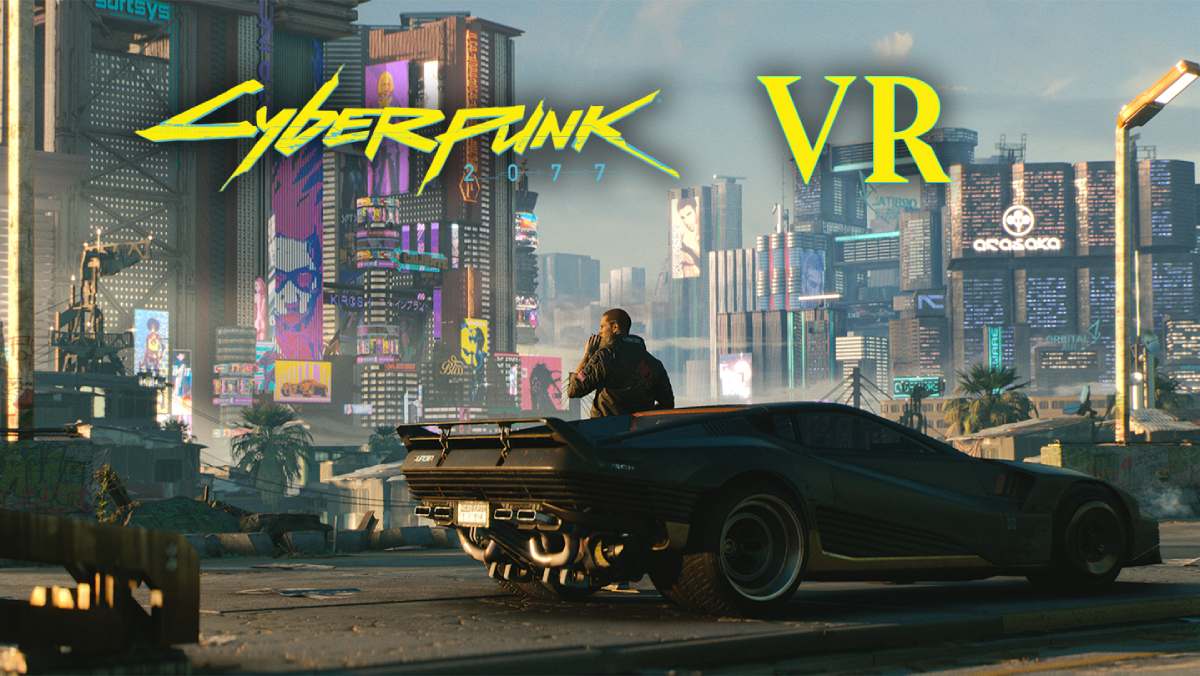
The controversial takedown of the Cyberpunk 2077 VR mod has sparked a major debate across the gaming community. The popular VR mod created by developer Luke Ross was recently removed following a Digital Millennium Copyright Act (DMCA) notice issued by CD Projekt Red, the studio behind Cyberpunk 2077. The dispute centers on whether the mod was legitimately earning revenue and whether the developer had the right to monetize his work under the game’s licensing rules.
What Led to the Cyberpunk 2077 VR Mod Controversy?
The Cyberpunk 2077 VR mod was designed to let players experience Night City in virtual reality, offering a more immersive playstyle than the original game’s standard version. The mod garnered attention because it was made available behind a monthly Patreon subscription, where users paid approximately $10 to access it. This method of distribution conflicted with CD Projekt Red’s End User License Agreement (EULA) and fan content guidelines, which do not permit monetization of mods without explicit permission from the publisher.
After discussions between CD Projekt Red’s legal team and the modder, the company issued a DMCA takedown notice due to the paid nature of the mod. CD Projekt Red publicly stated that while it appreciates and supports modding within its games, monetizing content that is derived from its intellectual property without permission is a violation of their policies. The company offered the creator two options: either release the mod for free or remove it entirely.
Why CD Projekt Red Took Legal Action
CD Projekt Red’s decision to issue a DMCA takedown was rooted in longstanding industry practice and legal precedent. Most video game publishers hold the rights to their games’ code, characters, and world design. Allowing third parties to charge for access to derivative content could potentially undermine those rights and set a precedent that content can be commercialized without consent. By enforcing its policies, CD Projekt Red maintained control over how its property is used commercially and ensured consistent treatment across its community of creators.
Additionally, sources indicate that the developer’s EULA clearly prohibits monetization of mods, particularly when they are directly tied to gameplay enhancements. Although CD Projekt Red has historically supported free mods and released modding tools for other titles, revenue-generating mods without prior agreement cross the line of typical fan content allowances.
The Modder Responds
In response to the takedown, Luke Ross argued that his VR mod was not derivative work in the traditional sense. He maintained that his software did not include any proprietary code or assets from CD Projekt Red, and compared his work to other tools used in the PC gaming space. Ross also criticized the company’s actions as “corpo logic” and framed the situation as unfair enforcement of licensing rules.
However, many members of the gaming community have pushed back on this perspective. Online discussions on forums such as Reddit highlight that charging for a mod is a clear violation of most game publishers’ terms of service and that the controversy could have been avoided if the mod had been made freely available with optional donations for development expenses. Critics point out that the community loses when paid content is removed and the original creator refuses to adapt to free distribution.
The Cyberpunk 2077 VR mod dispute highlights the tensions that can arise between creative modders and intellectual property holders in the gaming industry. While modding communities often provide innovation and longevity to games, monetizing that work without clear legal permission introduces legal risks. Game developers like CD Projekt Red must protect their IP while balancing support for community creativity.