


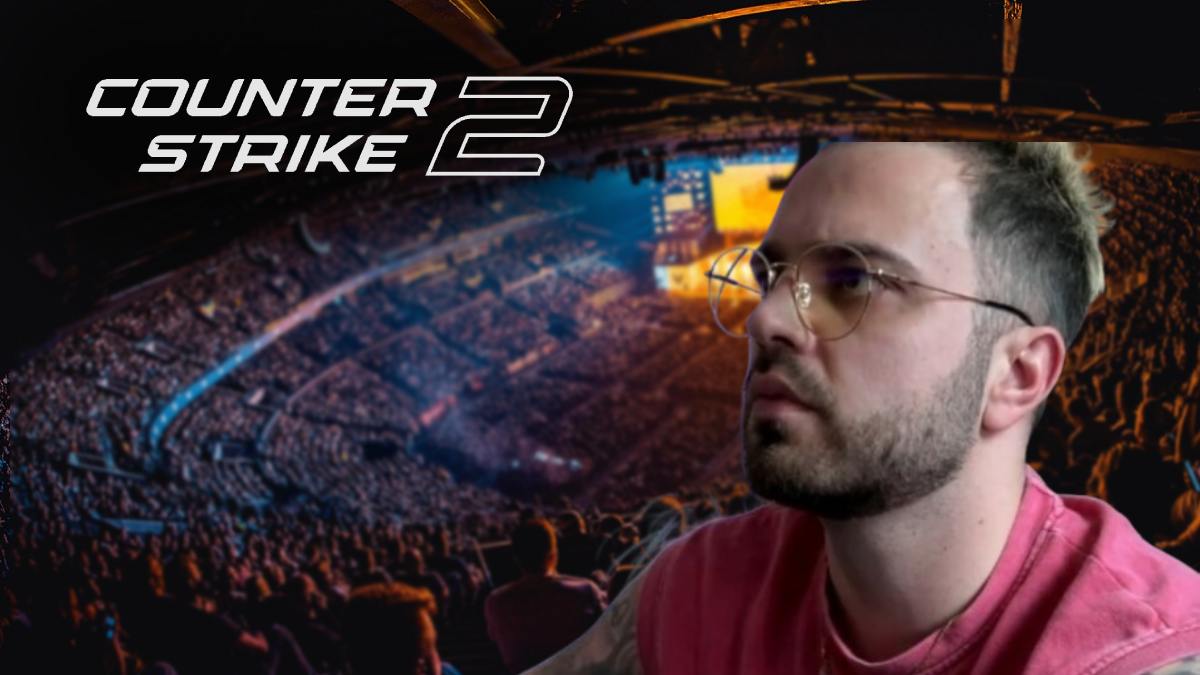
Counter Strike player and streamer MAUschine has been handed a 10-year ban after a violent incident on stage following a tournament final in Germany. The ban reportedly comes after MAUschine struck a member of the winning team after the match, with the clip quickly spreading across the CS2 community on social media.
The incident took place after the grand final at CAGGTUS Leipzig, where tensions appeared to spill over once the match had already ended. Following the incident, MAUschine has been banned for 10 years from DACH CS Masters and Fragster.
MAUschine Receives 10 Year Ban After Counter-Strike Final
According to reports on the incident, the punishment was issued after what it described as a violent incident following the conclusion of the grand final at CAGGTUS Leipzig. The ban applies to DACH CS Masters and Fragster, making it one of the harsher punishments seen in the regional Counter-Strike scene.
The original report from Hobshy claimed that MAUschine had been handed a 10-year ban after sucker punching a player from the winning team. The clip attached to the post has since been widely discussed by fans, with many arguing that tournament organizers had little choice but to respond strongly.
What Happened at CAGGTUS Leipzig?
The incident reportedly happened after the losing side’s match against the eventual winners. While exact details around what led to the altercation are still being discussed, community posts suggest that trash talk may have played a role in escalating the situation. Also, fans are debating whether the moment came after in-game trash talk or post-match tension.
Still, the basic takeaway is simple. Once the match is over, there is no room for physical confrontation on stage. Counter-Strike has always had a loud, emotional, and sometimes chaotic competitive culture, but LAN events rely on players keeping that intensity inside the server.
A 10-year ban is not a small slap on the wrist. For a player or streamer involved in regional Counter-Strike, that kind of punishment can effectively remove them from a major part of the local competitive scene for the foreseeable future.
It also sends a message beyond just one player. CS2 events, especially LAN tournaments, need players, staff, and fans to feel safe. Even if trash talk or emotions are part of esports, tournament organizers have to draw a hard line when things move from words to physical action.
Esports Needs Clearer Lines Between Trash Talk and Real Consequences
Trash talk has always been part of Counter-Strike. From online qualifiers to packed LAN stages, players often use mind games to get under each other’s skin. But there is a huge difference between competitive banter and losing control after the match.
That is why this ban matters. It is not just about punishing one player. It is about reminding everyone involved that esports events are still professional spaces. Players can celebrate, shout, and talk trash, but once someone crosses into physical confrontation, organizers have to act.
MAUschine’s 10-year ban is a major moment for the regional Counter-Strike scene. The incident at CAGGTUS Leipzig has already sparked a wider conversation about player conduct, LAN safety, and how far trash talk should be allowed to go.