



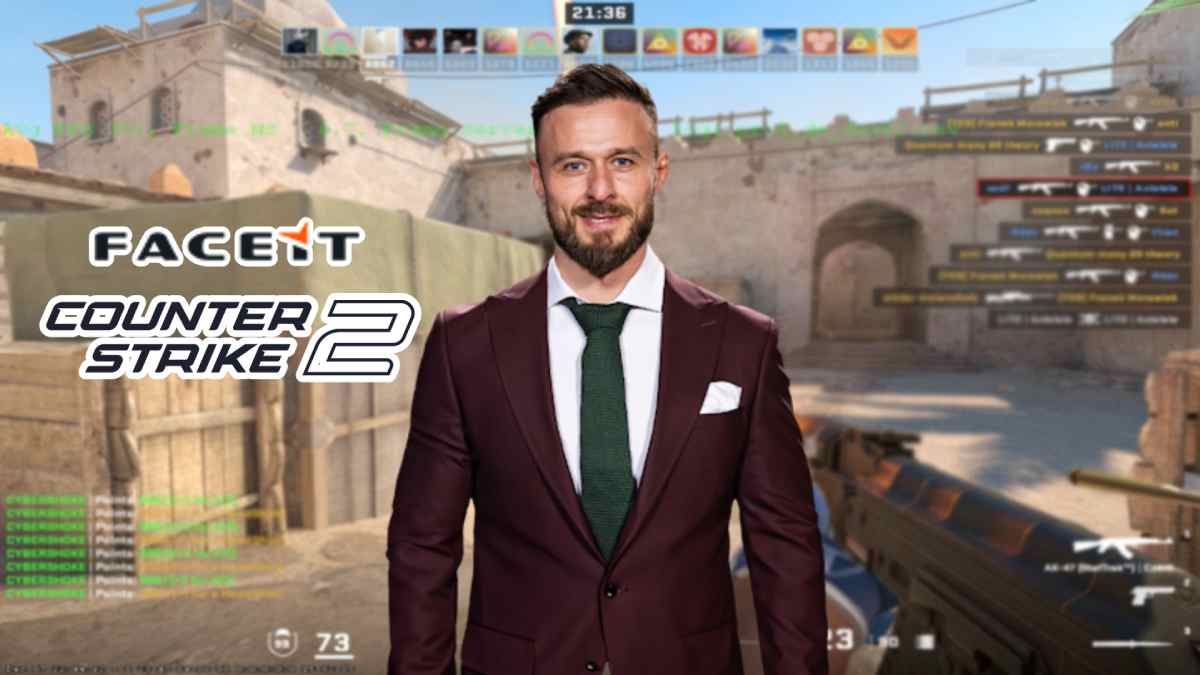
Retired Counter-Strike pro Jarosław “pashaBiceps” Jarząbkowski has been banned from FACEIT for seven days after a heated match reportedly crossed the line into verbal abuse. The incident has quickly spread across the CS2 community, partly because of who was involved and partly because fans are divided over whether the punishment was fair.
The ban was issued after PashaBiceps allegedly told a toxic Ukrainian teammate, “You have a lot of energy and testosterone, go to war and fight.” The clip and follow-up posts sparked a wider discussion about trash talk, nationality-based insults, FACEIT moderation, and where competitive banter stops being acceptable.
PashaBiceps Says He Was Banned From FACEIT for a Week
PashaBiceps addressed the ban himself on X, saying he had been informed he was banned from FACEIT for a week. In a later post, he explained that he plays a lot of FACEIT matches and often brings joy to players who are happy to queue with him, but said it only takes one mistake to get banned. He later added that a week off would do him good and that “rules are rules.”
The response was very Pasha-like: calm, slightly humorous, and not overly defensive. Still, the situation has not gone away quietly. Some fans believe the ban was deserved because the comment was personal and inappropriate. Others argue that the context of a toxic teammate matters and that a one-week ban for a retired legend feels too harsh.
What actually happened?
The controversy reportedly started during a FACEIT match where PashaBiceps was playing with a Ukrainian teammate who was being toxic. During the exchange, Pasha allegedly responded by telling the teammate that if he had so much energy and testosterone, he should go to war and fight.
Even if it was said in frustration, the comment brings nationality and an active real-world conflict into a video game argument, which is why many people saw it as crossing a line.
Competitive Counter-Strike has always had trash talk, especially in ranked and FACEIT lobbies. But there is a difference between getting frustrated over bad utility or poor teamplay and bringing personal or national identity into the insult. That is where this situation became bigger than a normal in-game argument.
FACEIT’s Verbal Abuse Rules Are Clear
FACEIT has long had systems in place for verbal abuse and spam. Its support page explains that players can receive warnings and cooldowns when abusive language or spam is detected, with further incidents leading to more punishment.
In that sense, PashaBiceps being a respected veteran does not automatically protect him from moderation. FACEIT’s whole competitive ecosystem relies on rules applying to everyone, whether the player is a casual grinder, an aspiring semi-pro, or one of the most beloved names in Counter-Strike history.
That said, the community reaction shows how complicated enforcement can become when a famous figure is involved. If a regular player said the same thing, the ban might not have become news. Because it was PashaBiceps, the punishment immediately turned into a debate about fairness, context, and reputation.
Competitive CS2 Still Has a Toxicity Problem
The bigger issue here is not only PashaBiceps. It is the state of high-pressure CS2 matchmaking. FACEIT is where many serious players go when they want better competition than standard matchmaking. But that also means emotions can run high. Players care about elo, performance, reputation, and every small mistake. When a match starts going badly, voice comms can become ugly very quickly.
The PashaBiceps situation is a reminder that toxicity does not only come from unknown players or low-level trolls. Even respected veterans can lose their temper when a match becomes heated.