



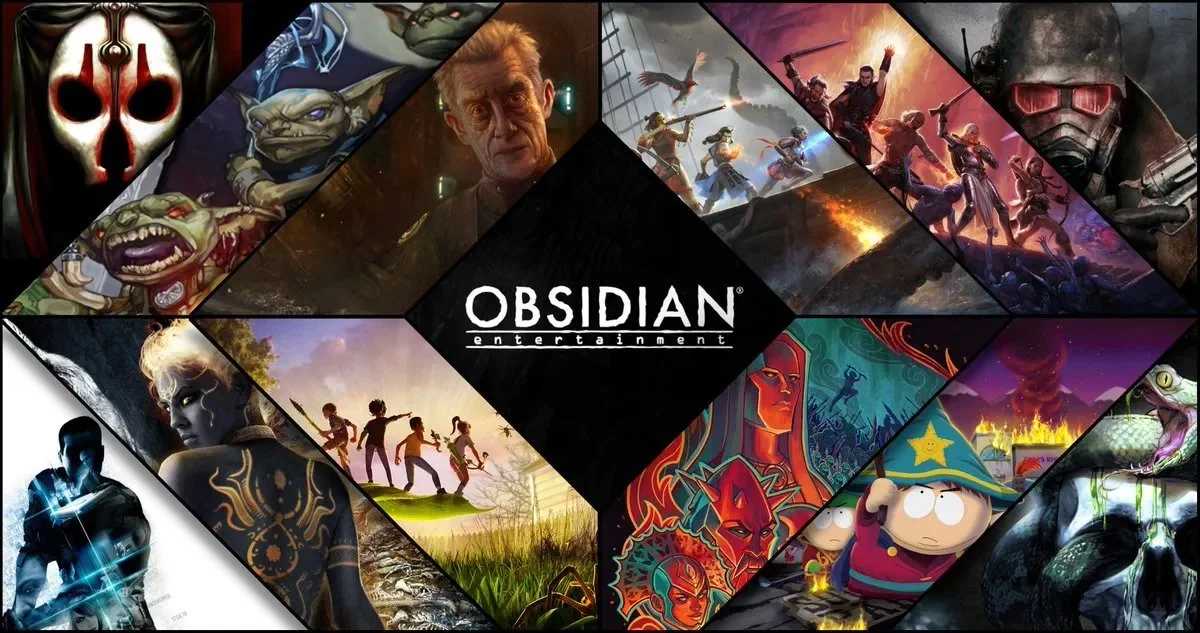
Obsidian Entertainment released three games in one year, but the studio has officially admitted that its two biggest role-playing games in 2025 did not sell as well as Microsoft had hoped. Even though Avowed and The Outer Worlds 2 got moderate to good reviews, they didn’t sell as well as their publisher had hoped. This made the developer think about what went wrong and how they may do things differently in the future.
Obsidian Admits Avowed and Outer Worlds 2 Missed Sales Goals
Feargus Urquhart, the head of Obsidian, told the press that both Avowed and The Outer Worlds 2 did not do as well as Xbox Game Studios had hoped, even while neither game can be called a flop. Urquhart said that the bad results weren’t the end of the world, but they did bring up critical concerns about how long it takes to make a game, how much work it takes, and how the studio divides its resources between several huge projects.
Avowed came out in February 2025 as a first-person action RPG set in the Pillars of Eternity world. The Outer Worlds 2 came out in October 2025 as a standalone sequel that built on the first game from 2019. Both games got good reviews, with Metacritic scores generally in the 80s, but the good reviews didn’t lead to huge sales.
Reports say that the highest number of players playing these RPGs at the same time on Steam was decent. This is acceptable, but not the level of financial success Microsoft anticipated for its more expensive games, especially since they were full-price and available on Xbox Game Pass.
The Impact of Releasing Three Games in One Year
Both industry observers and Obsidian executives have referred to the jam-packed release schedule of 2025 as a cause of these results. Design director Josh Sawyer acknowledged that it wasn’t ideal to squeeze three big releases into a short timeline, with Avowed, Grounded 2, and The Outer Worlds 2 all releasing within a single year. The production cycles for the two major RPGs lasted half a decade.
In contrast, Grounded 2, which joined the early access program in July 2025 with the help of Eidos-Montréal, has been hailed as a success. Commercially, Obsidian reaped the benefits of a more positive reception from gamers and a shorter three-year development cycle.
Obsidian has stated its intention to implement, in conjunction with Microsoft, more sustainable three-to four-year release schedules for its main titles in light of this experience. The goal is to prevent the financial pressure and fatigue caused by excessively long production cycles coupled with tightly packed releases.
The Outer Worlds 2 Sequel
The Outer Worlds 2 may not have achieved the sales targets necessary to warrant a direct continuation of the franchise, but it is nonetheless an important installment in the series. Many gamers and critics agreed that the game was an improvement over the first, praising its improved worldbuilding, graphics, and action aspects. All the while maintaining the beloved narrative tone and role-playing game mechanics, Obsidian improved the formula, as shown by these advancements.
Even though there is no present plan for a third installment in the Outer Worlds series, Obsidian has stated that it will keep supporting both Grounded 2 and The Outer Worlds 2 with extra content. The developers at the company still have high hopes for future installments set in the Pillars of Eternity universe, which they intend to explore more in Avowed.
Obsidion’s Future
Recognising that Avowed and The Outer Worlds 2 fell short of sales targets is noteworthy, not because it indicates failure, but because it shows that Obsidian is thinking about how to improve its development processes. With the lessons learned from 2025, Obsidian hopes to achieve a happy medium between lofty creative goals and the realities of production cycles, marketing effects, and player involvement. The studio is setting itself up for future releases and Microsoft’s backing, allowing it to continue growing while paying homage to the meticulously designed environments that set its role-playing games apart.
Overall, these two role-playing games may not have been the financial smash hits that many had hoped for, but they are valuable assets to Obsidian’s library and have informed the development of the studio’s future plans. Looking forward, fans still have reason to be excited about Obsidian’s future projects, as they will undoubtedly draw from the experiences of 2025.