



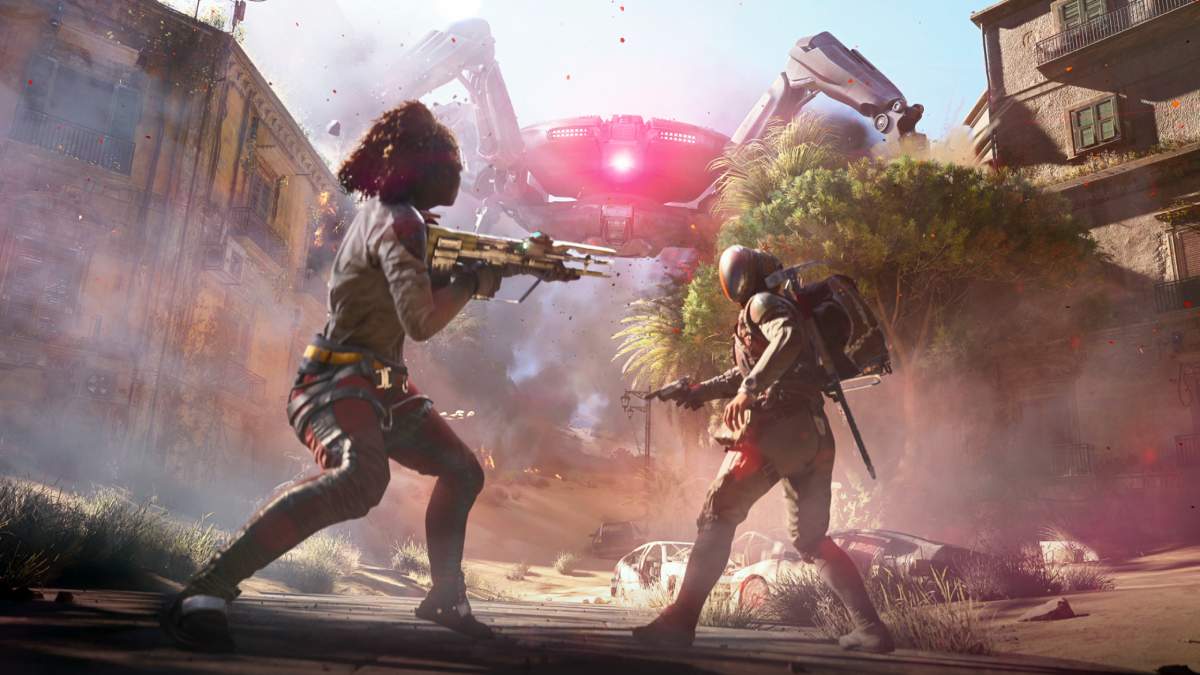
When ARC Raiders burst onto the scene on October 30, 2025, it quickly became one of the most talked-about shooters of the year. The PvPvE extraction title from Embark Studios has sold over 14 million copies worldwide since launch and still draws huge attention from players, with daily peaks of around 240,000 users engaging in frantic hunts, betrayals, and alliances across Rust Belt battlefields.
What many fans have seen as emergent and unpredictable player interactions has now caught the attention of the academic world. In a recent interview with IGN, Embark CEO Patrick Söderlund shared that a prominent professor of neurology encouraged him to consider collaborating with medical researchers to study the behaviors happening inside ARC Raiders matches.
The Game That Sparks Curiosity Beyond Entertainment
ARC Raiders combines PvE robot threats with the ever-present risk of player versus player conflict. Behind the rush for loot and adrenaline-soaked extracts, unique social interactions unfold. Squads sometimes turn on each other at extract points, while at other times, newcomers find generosity from veteran players offering gear. These spontaneous dynamics have made the title not just a commercial hit but also a subject of fascination for those outside the gaming world.
Söderlund described his conversation with the professor, saying that the academic pointed out how much there is to learn from observing ARC Raiders players. The call was for a collaboration with medical and behavioral experts to record and analyze player reactions in the game’s environments to understand what triggers certain behaviors and decision-making patterns.
Tracking Player Behavior and Future Possibilities
Embark has already begun monitoring player movements and interactions with advanced telemetry and heat maps. While this data is used primarily to improve gameplay and design, it also reveals an intricate web of human activity worth exploring scientifically. Söderlund has embraced the idea of ARC Raiders as a kind of social experiment, even if no formal academic study is underway yet.
Despite the potential for deeper research, Söderlund explained that the studio’s focus remains on supporting the game’s growing player base and roadmap for 2026. New features, updates, and ongoing improvements are all planned to keep ARC Raiders at the forefront of extraction shooters and multiplayer experiences.
The conversation between a game developer and a professor may seem unusual, but it highlights something deeper: video games can reflect real human behavior under stress, cooperation, competition, and risk. ARC Raiders stands out not only for its gameplay but also for the ways players adapt, react, and interact with one another in high-stakes scenarios.
Whether ARC Raiders will ever become the subject of a full scientific study remains uncertain, but its influence is clear.