



Fortnite reshaped the modern video game landscape and set the gold standard for what live service games could be. Since its breakout success in 2017, Epic Games’ Battle Royale has embraced a relentless cadence of updates, seasonal events, and collaborations that blur the lines between gaming and pop culture.
The constant evolution brought massive in-game concerts, story-driven seasons, and crossovers with franchises like Marvel, Star Wars, and countless others that kept players coming back again and again. That ability to constantly reinvent itself has influenced an entire generation of live service titles that aim to keep players engaged with fresh content on a near-monthly basis.
Part of Fortnite’s enduring appeal is how it became a cultural hub rather than just a shooter. The game’s fusion of social spaces, competitive play, and media tie-ins turned it into a platform where pop culture events and gaming experiences collide. Fortnite’s model of seasonal changes, limited-time modes, and high-profile collaborations defined how free-to-play games could thrive long-term and drive revenue without charging an upfront cost.
A Young Audience at the Heart of Fortnite’s Success
A significant part of Fortnite’s player base is young, and this has shaped both its community and the conversations around its monetization. The free-to-play nature of Fortnite, combined with its vibrant art style and social features, has made it especially popular among children and teenagers. Surveys have shown that in games like Fortnite and similar titles, a large percentage of players under 18 regularly engage with in-game purchases and request in-game currency for gifts.
While Fortnite’s general appeal crosses age groups, younger players are often among the most active and vocal in the community. This has led to ongoing discussions about how design choices, especially monetization strategies that involve random rewards or chance elements, impact younger users who may not have the same financial awareness as adults.
The Introduction of Slot Machine-Like Mechanics
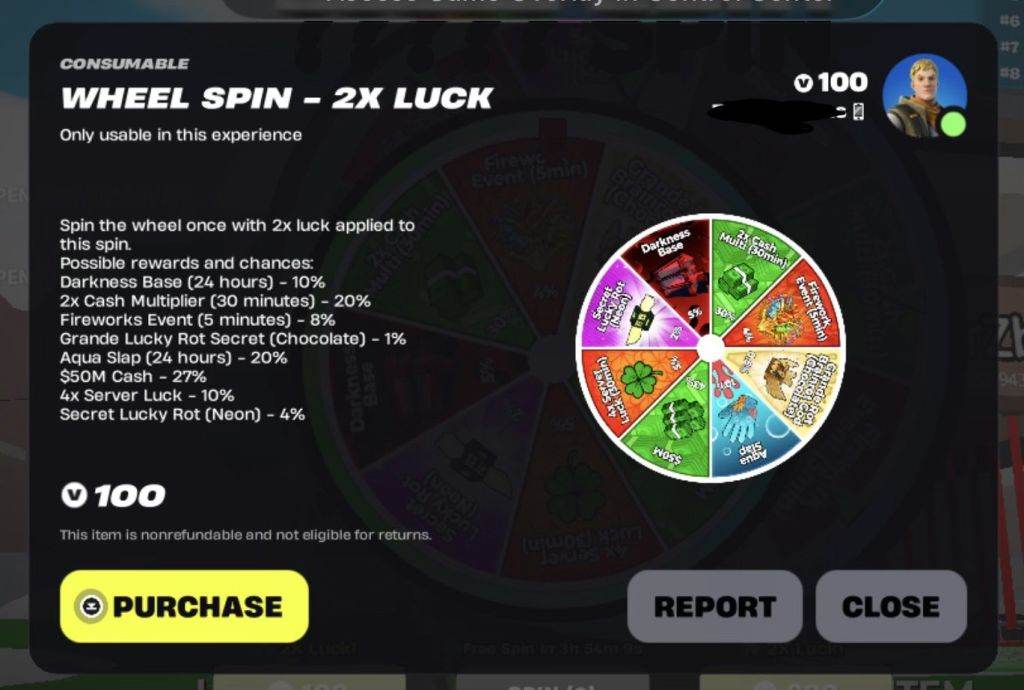
Recently, discussions within the Fortnite community have focused on the potential introduction of gambling-style mechanics that resemble slot machines or loot box systems. Reports and leaks suggest that Fortnite might include systems where players spend in-game currency, which itself can be purchased with real money, for a randomized outcome. These paid random items would require developers to disclose odds, but still raise questions about how they function and whether they cross into gambling territory.
Epic Games has stated that traditional gambling mechanics are not permitted and that paid random items differ from casino-style games. According to official developer rules, Fortnite does not allow gambling content or raffles, even when real money purchases are involved. Still, many players and critics argue that any system where money is exchanged for a chance at unpredictable rewards can feel like gambling, especially to younger audiences.
Concerns Over Real Money Spending and Underage Impact
The prospect of slot machine-like features in Fortnite has sparked concern among parents, gamers, and industry watchers. Because many Fortnite players are minors, critics worry that introducing mechanics reminiscent of real-world gambling could normalize risky spending behaviors among children who might not fully understand the implications of chance-based purchases. Even when such systems involve virtual currency instead of cash directly, the psychological similarities to gambling raise red flags, given the game’s large underage audience.
Debates around these mechanics tie into broader industry concerns about loot boxes and microtransactions. Studies have highlighted how randomized purchase systems in games can encourage repeated buying, and regulators in some regions have moved to restrict these features for players under 18. Fortnite’s ongoing popularity and its position as a cultural touchstone for younger gamers mean that these conversations are likely to continue as the game evolves.