



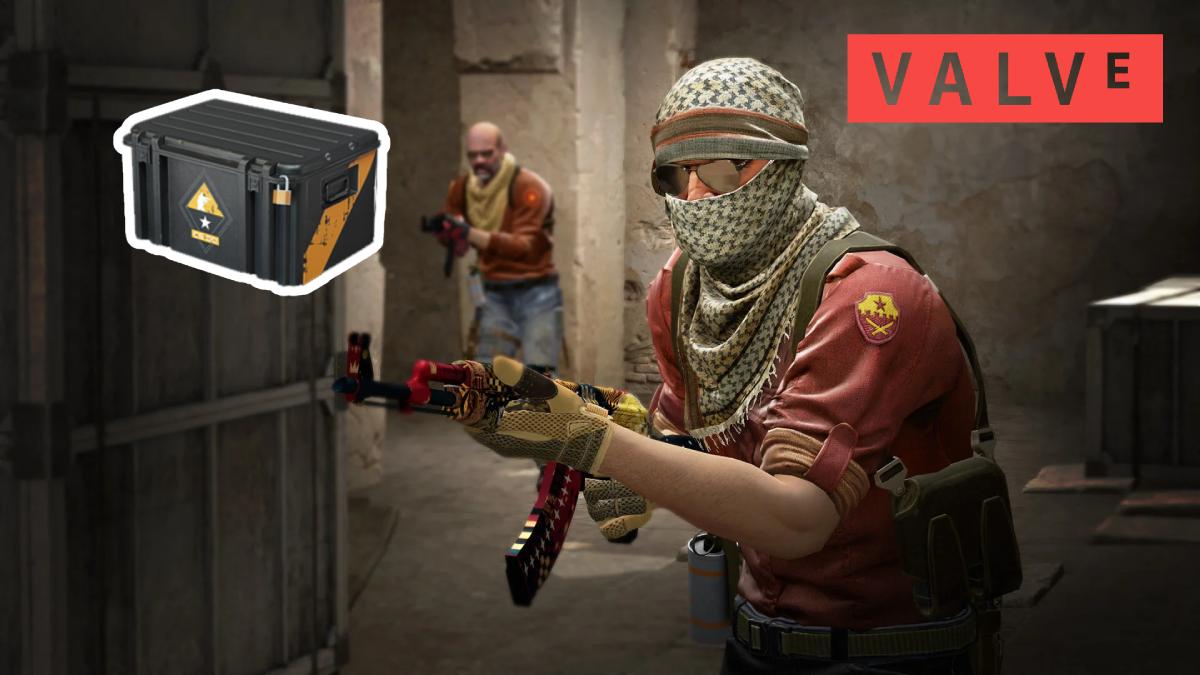
Valve is finally pushing back against New York Attorney General Letitia James’ lawsuit, and the company is making it clear that it does not agree with the idea that loot boxes in Counter-Strike 2, Dota 2, and Team Fortress 2 should be treated as illegal gambling. The fight has quickly become one of the biggest legal flashpoints around video game monetization this year, not just because of how popular Valve’s games are, but because of what this case could mean for digital item trading across the industry.
New York Attorney General Says Valve’s Loot Boxes are Gambling
The lawsuit, filed on February 25 in New York state court, argues that Valve’s loot box system crosses the legal line because players spend real money for a chance at a random reward. In the complaint, the state says the process looks and behaves like gambling, pointing to the chance based nature of the opening animation, the value attached to rare cosmetic items, and the ability for those items to be sold through the Steam Community Market or on third party marketplaces. The complaint also claims Valve made tens of millions of dollars from key sales in New York and more from commissions tied to item resales.
New York’s case focuses heavily on Counter-Strike, where users can buy keys to open cases and hope for a high value skin. The complaint specifically notes a key price of about $2.49 and argues that the random nature of the reward, combined with the resale value of some items, makes the system function like a slot machine. The state is also framing this as a consumer protection issue, saying younger players are especially vulnerable to the psychological pull of chance based rewards.
Valve says these items are cosmetics, not casino chips
Valve’s response, published on March 11, rejects that framing outright. According to the company, the items at the center of the lawsuit are optional cosmetic rewards that do not provide gameplay advantages. Valve reportedly compared them to physical collectibles such as baseball cards and trading card packs, arguing that randomness alone does not automatically turn a product into gambling. In other words, Valve’s position is that a cosmetic skin is still just a collectible item, even if some players later decide it has market value.
That is a key part of Valve’s defense. The company appears to be drawing a hard line between buying a randomized collectible and placing a wager in a traditional gambling system. From Valve’s perspective, players are purchasing entertainment and cosmetics, not betting money on a game of chance for a gameplay edge or direct cash payout from the publisher. That distinction has been central to loot box debates for years, but now it is being tested again in a very public court battle.
The bigger fight is really about ownership and trading
One of the most interesting parts of Valve’s response is not just the defense of loot boxes themselves, but the company’s opposition to making digital items non-transferable. Reporting on Valve’s statement says the company pushed back against demands that would effectively limit or remove trading, arguing that doing so would weaken user ownership rights and reshape how digital items function on Steam. Valve also criticized proposals that would require stronger identity or location verification for players, saying those kinds of rules could hurt privacy and create broader problems for users and developers.
That matters because this case is not only about whether loot boxes look like gambling. It is also about whether publishers should be allowed to maintain open item economies where cosmetics can be traded, sold, and collected. Valve seems willing to defend that principle as much as the loot box system itself.
Valve points to its efforts against third-party gambling
Another part of Valve’s defense is its claim that it has spent years trying to shut down third-party gambling activity tied to Steam items. In its response, the company said it has worked with attorneys general and has taken action against accounts found to be using Valve game items on gambling sites in violation of the Steam Subscriber Agreement. That is an important distinction for Valve, because the company wants to separate its official systems from outside websites that have historically turned skins into gambling chips.
This is where the issue gets messy. Critics argue that the resale and transfer ecosystem helps create real-world value around virtual items. Valve, meanwhile, argues that bad actors on third-party sites should not redefine the legal status of cosmetic systems inside its games. The court will eventually have to decide how much responsibility a platform has when virtual items can move beyond the platform’s intended use.
Right now, Valve is treating this as a fight over principle as much as law. The company is defending loot boxes as cosmetic collectibles, defending item trading as part of digital ownership, and defending itself against the idea that its biggest games are running casino-like systems. New York, on the other hand, sees a business built around chance-based spending and valuable rewards that should fall under gambling rules. The court has not ruled yet, but whatever happens next could have a lasting effect on how publishers design loot boxes, marketplaces, and digital item economies in the years ahead.