



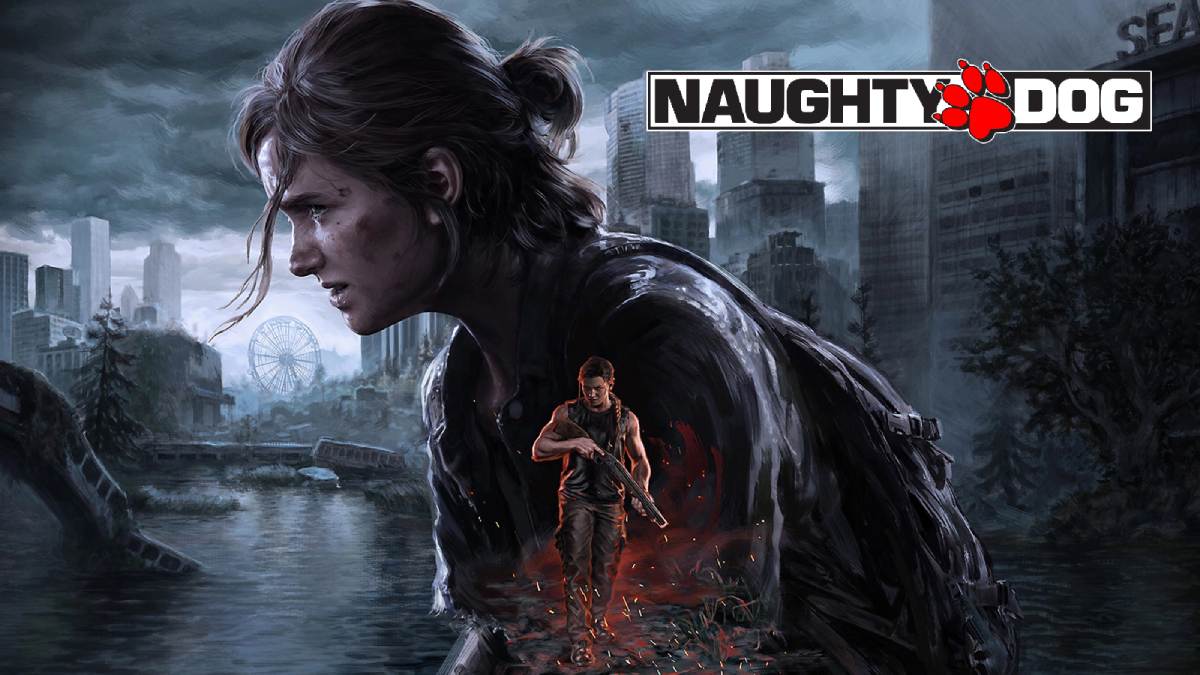
The conversation around Naughty Dog and crunch is back in a big way after a viral clip from an interview claimed the studio effectively accepted overtime as part of making games at its level. The post struck a nerve because it taps into a criticism that has followed Naughty Dog for years. Few studios are praised more for polish, detail, and cinematic storytelling, but few have also faced this much scrutiny over the human cost behind that quality.
That is what makes this topic so uncomfortable. People are not arguing about whether Naughty Dog makes elite games. They clearly do. The real question is whether that standard has historically been tied to a work culture that burns people out, pushes teams too hard, and quietly accepts attrition as part of the process. Multiple reports over the years have pointed in that direction, even if Naughty Dog has more recently said it wants to move away from that reputation.
The Naughty Dog crunch conversation keeps coming back
The reason this debate refuses to die is simple. It is not built on one angry tweet or one vague rumor. It is built on years of reporting, developer testimony, and repeated concern about how Naughty Dog operates when a project enters full production. Jason Schreier’s 2020 reporting for Kotaku described a culture where long days and weekends were common, with one developer saying the environment was unsustainable and another describing a broader feeling of “get the job done at all costs.”
That same report also tied crunch to attrition. Kotaku reported that 14 of the 20 non-lead designers credited on Uncharted 4 were no longer at the studio by the time The Last of Us Part II was in development. The article argued that this kind of turnover had real consequences because replacing veterans with newer staff can slow production, increase rework, and create even more pressure across the team.
So when people say AAA development can feel like a young person’s game, they are reacting to that cycle. It is hard to keep sacrificing nights, weekends, family time, and energy year after year, especially when the standard never drops, and the expectations only get higher. That sentiment was already present in 2020 reporting, where one developer bluntly said they could not keep doing it forever.
Did Naughty Dog really admit that crunch was necessary?
This is where the story gets more complicated than the viral post suggests. Publicly, Naughty Dog’s more recent messaging has actually gone in the opposite direction. In coverage of the 2024 Grounded II documentary, comments from Neil Druckmann say the studio’s goal was to eliminate crunch. The same piece also cited Naughty Dog staff saying new hires are told the studio has a reputation for crunching and that it is something they do not want to continue.
At the same time, that documentary coverage also included a more sobering takeaway. Anthony Newman said better organization and improved processes did not automatically solve crunch because, in practice, those efficiencies can simply allow teams to make a bigger game. That line is probably why critics remain skeptical. It suggests the problem is not just bad planning. It may be tied to the scale and ambition of the projects themselves.
So the fairest reading is this. Naughty Dog did publicly acknowledge its crunch reputation. But the stronger claim that the studio openly embraced crunch as a requirement is harder to verify from the reporting available. What is well documented is that the studio has long been associated with perfectionism, huge workloads, and a pattern of burnout concerns.
The Last of Us Part II did not end the criticism
If anything, The Last of Us Part II became the project that cemented Naughty Dog’s reputation in this conversation. Schreier’s reporting described a studio trying to improve its process after Uncharted 4, only to find that game development still changed course, features still got reworked, and crunch still took hold by late 2018. In other words, even a more prepared Naughty Dog still ended up in familiar territory.
That is why so many critics see the problem as structural rather than temporary. If the goal is always to push fidelity, animation, performance, narrative, and detail further than almost anyone else in the industry, then the team is constantly trying to hit a bar that moves higher with every project. From the outside, that ambition looks impressive. Inside a studio, it can look a lot more like exhaustion.
Recent reports suggest the issue may not be gone
The reason this debate has flared up again in 2026 is not just because of old memories. Recent reporting says Naughty Dog staff were put on mandatory overtime in late 2025 to finish an internal demo for Intergalactic: The Heretic Prophet. New reports came out that employees were required to work extra hours each week, and this move revived fears that crunch had returned despite earlier promises to move away from it.
That matters because it undercuts the hopeful narrative that Naughty Dog had finally turned the page. Even if this latest period of overtime was narrower or more temporary than past horror stories, it still shows why many developers and fans no longer take anti-crunch promises at face value. The studio may want to change, but as long as deadlines slip and project scope stays enormous, the old habits can come back fast.
AAA game development still has a people problem
The most uncomfortable part of this whole discussion is that Naughty Dog is not some strange outlier in AAA development. It is just one of the most famous examples. The wider industry has struggled with crunch for years, especially at studios building the biggest and most technically ambitious games. What makes Naughty Dog stand out is that its games are so acclaimed and so obsessively polished that the tension becomes impossible to ignore. Players love the results. Developers often pay the price.
That is why the line about AAA being a young person’s game resonates, even if it is harsh. It reflects the reality that sustained overwork tends to hit harder as people get older, build families, deal with burnout, or simply stop wanting their whole life to revolve around shipping one blockbuster. When a studio depends too much on that sacrifice, the best people eventually start walking away.
Naughty Dog’s reputation is still caught between excellence and burnout
Naughty Dog remains one of the most respected studios in gaming, and nothing in this debate changes the quality of what it has shipped. But the studio’s legacy is now tied to two truths at once. It makes some of the best games in the business, and it has spent years trying to escape a reputation for overwork that never fully stops coming back.
That is the real story here. Not whether one viral post was phrased perfectly, but why so many people were ready to believe it in the first place.