



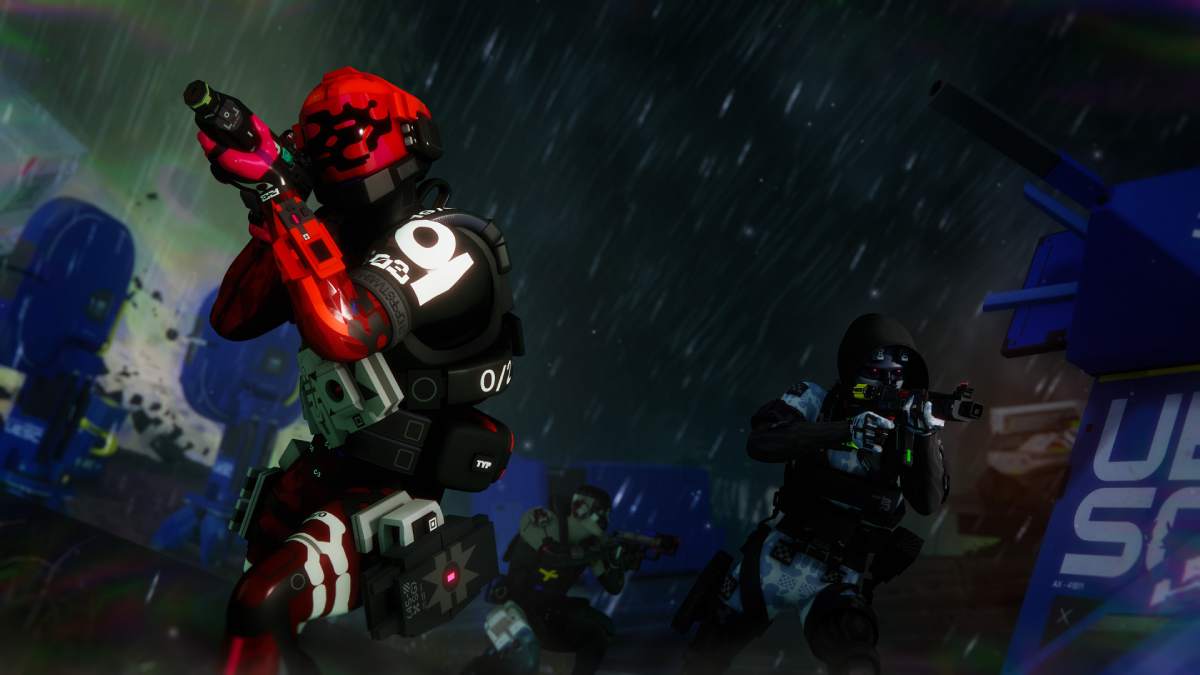
Bungie is getting ready to make some major changes to Marathon with Season 2, and the latest combat tuning preview makes one thing very clear. The studio is not treating this as a small balance pass. Instead, Season 2 looks like a broad reset for the game’s combat sandbox, progression, buildcrafting, and overall match flow.
After Season 1, a lot of the conversation around Marathon came down to a few familiar complaints. Shotguns were too dominant, some weapons felt too hard to justify, progression could feel unclear, and the game needed more variety beyond the same PvPvE loop. With Season 2, Bungie seems to be addressing several of those pain points at once.
The update will bring shotgun meta adjustments, new weapons, more PvE-focused experimentation, a new progression system called the Cradle, a survival horror-inspired Night Marsh map, the new Sentinel Runner shell, and several buildcrafting changes that could reshape how players approach every run.
Marathon Season 2 Is Taking Aim at the Shotgun Meta
One of the biggest talking points from Bungie’s combat tuning preview is the current state of close-range combat. Shotguns have clearly been a major force in Season 1, and Bungie is now looking at ways to open up the meta without making close-range fights feel weak.
The new KKV-9SD SMG seems to be a direct answer to that problem. Bungie describes it as a fast-firing pistol-frame SMG with an integrated suppressor, built for close-range fights and designed to mow down aggressive shotgun rushers.
The Misriah 2442 is also getting attention. Bungie says the weapon had become a major outlier, especially because certain magazine mod setups helped cover its intended weakness. As a result, Bungie is removing rate-of-fire bonuses from Slick Mag magazine mods and adjusting the Misriah’s pellet spread, fire rate, magazine stats, and damage falloff. The goal is not to delete the weapon from the meta, but to make its strengths and weaknesses easier to understand.
New Weapons Could Shake Up the Season 2 Meta
Season 2 will introduce two new weapons, and both seem built around giving players more flexible options in close and mid-range fights.
The KKV-9SD is likely to grab most of the spotlight because of how directly it targets the shotgun-rush problem. Its extremely high fire rate, suppressor, and compatibility with pistol optic and magazine mods could make it a strong pick for players who want to stay aggressive without relying on shotguns.
The second new weapon is the D54 Battle Pistol, a fully automatic three-round burst handgun. Bungie describes it as a weapon that sits somewhere between pistol and magnum archetypes, with strong 1v1 potential and quick swap value for players using harder-hitting weapons like snipers or shotguns.
Together, these additions suggest Bungie wants Marathon’s weapon sandbox to feel less predictable. Instead of one dominant close-range option, players should have more reasons to experiment with SMGs, sidearms, mods, and hybrid loadouts.
Marathon Season 2 Adds More Buildcrafting Through Mods and Chips
Bungie is also making larger changes to buildcrafting in Season 2. The studio says it wants mods to do more than simply push numbers up or down, which should make loadout decisions feel more meaningful.
One of the biggest additions is folding stock mods. These will first appear on the KKV-9SD and D54 Battle Pistol, giving players two different modes of use. When folded, the stock improves hip-fire-focused stats and movement. When unfolded, it trades those bonuses for better aim-down-sight accuracy and range.
Bungie is also adding eight new chip families while rotating out some underperforming or overperforming chip families. New options like Alarmist, Scrapyard, and Brain Freeze point toward a sandbox where weapons can do more than simply deal damage. Some chips will help with information gathering, some will support sustain, and others will add crowd-control effects.
Night Marsh Brings a Survival Horror Twist to Marathon
The biggest new location in Season 2 is Night Marsh, a darker version of Dire Marsh that Bungie is positioning as a slower and more survival horror-inspired experience.
Bungie says Night Marsh will include new mechanics, new combatants, new locations, and environmental challenges built around darkness. Visibility will become a major part of survival, and players will need to rely on new tools like flashlights, Vector rounds, Vector grenades, Darksight scopes, and signal flares.
Instead of always scanning long sightlines and pushing known routes, players will have to think about what they reveal, when they use light, and how much information they are giving away.
Night Marsh also introduces Complex Control, where players can collect UESC encryption certificates and use them to access stockpiles, unlock areas, and activate exfils. This gives the map a stronger PvE and objective-driven layer, which could help make runs feel less repetitive.
More PvE Content Could Help Marathon Reach More Players
While Marathon is still built around its PvPvE identity, Season 2 clearly shows Bungie experimenting with ways to make the game feel broader than pure player-versus-player extraction tension.
Night Marsh leans heavily into environmental survival, UESC encounters, locked stockpiles, objective progression, and darker map mechanics. The new Scrapyard chip can even reward players for defeating hostiles by spawning depleted healing items or materials, which adds another reason to engage with PvE enemies during a run.
Extraction shooters can be punishing, and if every session feels like a brutal PvP test, casual players may bounce off quickly. More PvE-driven objectives and survival-focused mechanics could give players extra ways to make progress, learn the map, and enjoy the game without every match being defined only by winning or losing fights against other squads.
The Cradle Is Marathon’s New Progression System
Season 2 will also introduce the Cradle, a new progression system designed to improve Runner shells over the course of the season.
The Cradle lets players empower the WEAVEworms that create their biocybernetic bodies, increasing Runner shell stats across six categories and unlocking powerful perks. Players will use the Matter Converter to turn weapons, equipment, and other items into experience for the Cradle. As the Cradle levels up, players earn Energy that can be assigned to different stat categories.
The most important part is flexibility. Bungie says players can reallocate Energy at any time without penalties or limitations. That should make experimentation much easier, especially for players who want to adjust their build depending on their Runner shell, weapon setup, or preferred playstyle.
Cradle progression is shared across Runner shells, but it resets at the start of a new season. Even so, it sounds like a cleaner and more readable progression path than forcing players to chase upgrades through faction trees.
Faction Progression Is Getting Less Grindy
Bungie is also changing faction progression in Season 2. Since Runner shell upgrades are moving to the Cradle, faction trees can focus more on Armory options, implants, barter offers, and playstyle-specific rewards.
The studio says it is increasing the overall rate of faction progress, reducing requirements to level up factions, increasing reputation from standard contracts, and adding new reputation sources.
This is one of the most important quality-of-life changes in Season 2. A good extraction game needs long-term goals, but if progression feels too slow or unclear, players can lose motivation quickly. By making progression faster and easier to understand, Bungie may be trying to keep both hardcore players and solo players more engaged.
Sentinel Adds a Defensive Option to Marathon’s Runner Lineup
Season 2 also introduces Sentinel, a new Runner shell built around defense, area control, and anti-rush tools.
Sentinel’s kit includes Defender System, which deploys a defensive platform that neutralizes incoming explosives and boosts weapon stability and reload speed for nearby allies. Snare Mine can immobilize enemies who get too close, while Prey Tracker helps detect moving targets on radar. The passive Castle Doctrine improves handling for SMGs, pistols, and shotguns when enemies are nearby, while also granting temporary defensive benefits after splash damage.
On paper, Sentinel looks like a direct response to some of the chaos that defined Season 1 fights. If shotgun rushing and explosive pressure were major problems, Sentinel gives teams a way to lock down space, slow down pushes, and survive messy final exfils.
Season 2 feels like a big test for Marathon. Bungie is not only changing weapons and damage values. The studio is also trying to make the game easier to read, more flexible to build around, and more varied from one run to the next.