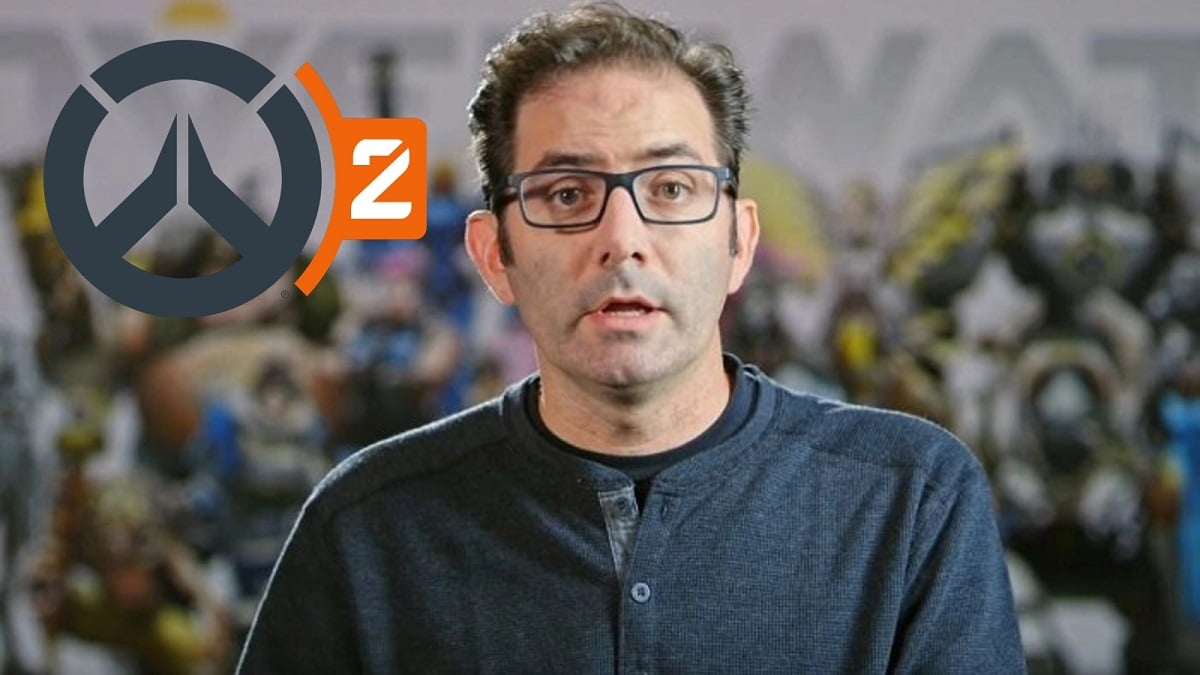

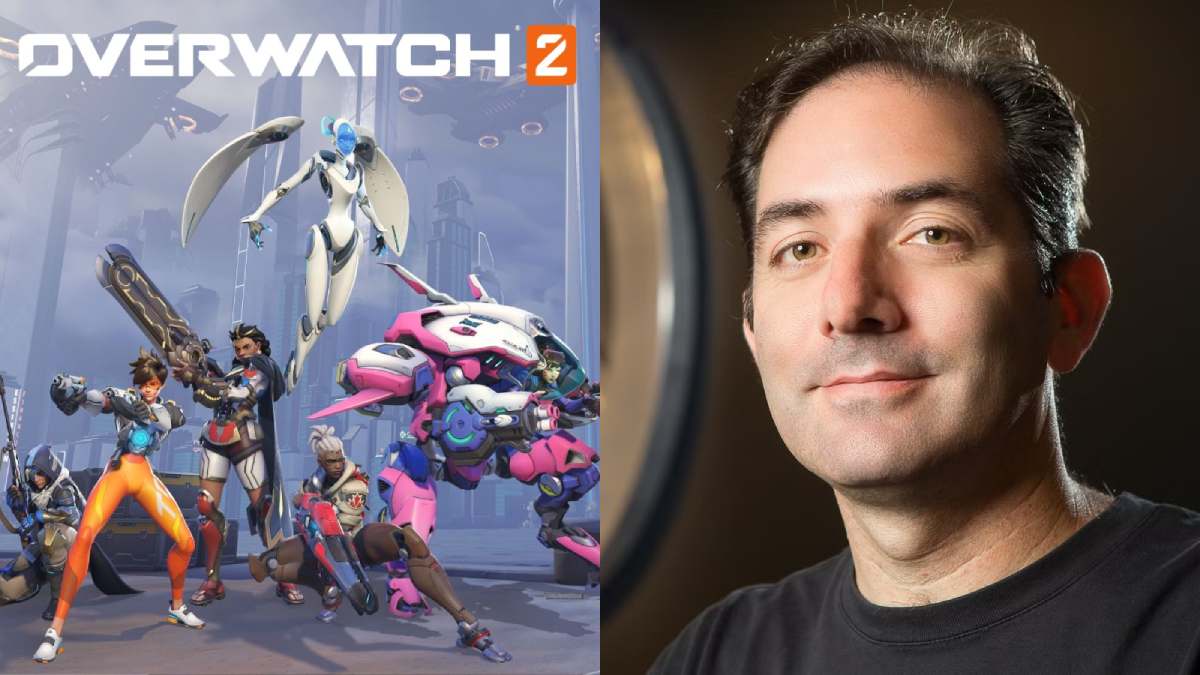
Overwatch 2 has always felt like a sequel with an identity crisis, and fresh discussion around Jeff Kaplan’s role only brings that tension back into focus. The former Overwatch game director was caught between two very different forces during the project’s early development. Developers inside Team 4 reportedly wanted to chase a bigger PvE future, while executives wanted a sequel they could ship. Kaplan, meanwhile, is said to have preferred building on the momentum of the original Overwatch rather than rushing into a hard reset.
That version of events lines up with what has been reported about Overwatch 2 for years. The sequel was announced in 2019 with a shared multiplayer vision, where the original Overwatch and Overwatch 2 would coexist in PvP while the sequel carried the heavier PvE ambitions. Kaplan had publicly framed that approach as player-first, even though it was apparently a difficult sell internally.
Overwatch 2’s Messy Development Cycle
The biggest problem with Overwatch 2 was that it was trying to be too many things at once. It needed to satisfy a live service audience that wanted the original game supported. It needed to justify the “2” in the title. It also needed to deliver a large-scale PvE experience that would expand the universe beyond competitive matches. That was a huge ask even before Blizzard’s wider internal turmoil, and leadership changes complicated development.
That is what makes Kaplan’s reported stance so interesting. The idea that he wanted to “ride the wave” of Overwatch 1 feels believable because the first game already had something most live service titles spend years chasing. It had cultural momentum, a huge player base, recognizable heroes, and a strong identity.
From that perspective, slowing down to create a giant sequel may have looked less like progress and more like stepping off a moving train. The PvE dream may have sounded exciting, but it also pulled time, people, and focus away from the core game that players were already invested in. This is an inference based on reported accounts of the project’s internal push and pull.
The PvE Push Changed Everything
PvE was not a side mode. For a long time, it was the heart of what was supposed to make Overwatch 2 feel new. Multiple reports and later developer comments point to PvE as the central ambition that shaped the sequel’s direction, and also the feature set that created the most production strain. Blizzard eventually admitted that it had overcommitted and could not deliver the original hero mode vision the way it was announced.
That failure matters because it changed how fans view the entire sequel. Once the promised PvE future fell apart, a lot of players started looking back and asking whether Overwatch 2 ever needed to be a sequel at all. That conversation has only grown louder since Blizzard rebranded the game back to simply Overwatch in February 2026, a move that felt like an acknowledgment that the franchise works better as an evolving platform than as numbered follow-ups.
Kaplan Was Caught Between Developers and Executives
What makes this story compelling is that it does not paint the sequel as the product of a single bad decision. It sounds more like a conflict between ambition and business pressure. On one side, developers wanted to push deeper into story-driven PvE. On the other hand, executives wanted a sequel that could be finished, marketed, and monetized. Reported details from Jason Schreier’s book coverage and recirculated summaries suggest Kaplan resisted some corporate pressure around how Overwatch 2 should be staffed and structured, even as the project kept growing in scope.
That would explain why Overwatch 2 often felt like two games stitched together. One version was a bold PvE evolution. The other was a live service relaunch designed to modernize the business model and get the game back on schedule. Players eventually got the second version. The first one never fully arrived.
A lot of Overwatch veterans still talk about the first game like it had a kind of magic that the sequel never quite recovered. Some of that is nostalgia, sure, but some of it comes from the fact that Overwatch 1 had a clearer purpose. It was a hero shooter with style, confidence, and momentum. Overwatch 2 launched into a harsher environment, carrying bigger expectations and more skepticism. When the PvE promise faded, players were left comparing a complete memory to an unfinished idea.
Kaplan’s wish to keep building on Overwatch 1 rather than forcing a more traditional sequel now feels more relevant than ever. Blizzard’s current direction also seems to support that thinking. The company is leaning back into Overwatch as a long-running universe instead of trying to make the number in the title do all the work.