



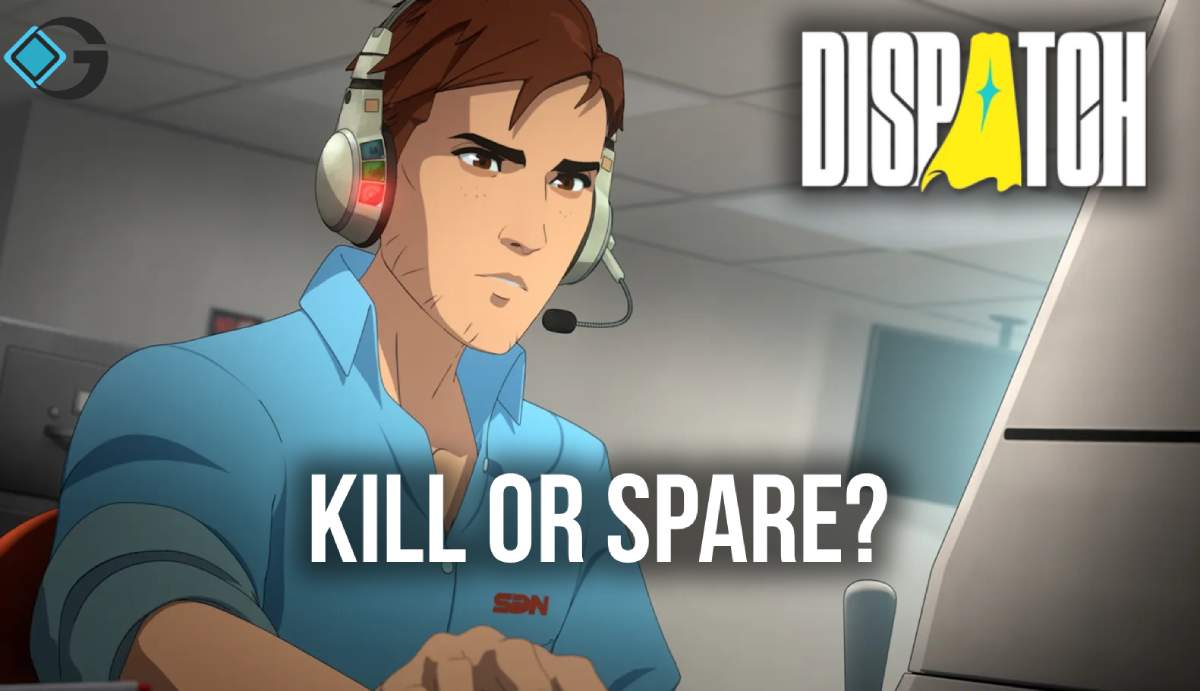
In the thrilling finale of the superhero-drama adventure game Dispatch, Episode 8 delivers a pivotal moment that will shape your journey: will you choose to spare or eliminate the villain, Shroud? This decision goes beyond mere theatrics—it embodies your gameplay, your connections, and the unique narrative identity you’ve crafted for Robert Robertson III. Let’s dive into the consequences of each option, what they reveal about your journey, and how they shape the conclusion.
The Case for Sparing Shroud
Opting to spare Shroud demonstrates a commendable level of restraint and a strong commitment to the hero code. Until now, Robert has faced harsh confrontations and difficult moral choices. In the moment he holds Shroud at his mercy, choosing to spare him sends a powerful message: the hero transcends the desire for revenge. This path emphasizes the powerful themes of redemption and the strength of teamwork.
For instance, sparing results in the media portraying the capture as a triumph for the dispatcher instead of an execution. This choice seamlessly aligns with your previous decisions, reflecting your empathy, support for team members, and commitment to minimizing unnecessary casualties. When you prioritize building alliances and maintain a cohesive team, the rewards of sparing often become a reliable return on your investment.
The Case for Killing Shroud
Conversely, eliminating Shroud represents the ultimate act of vengeance realized. In light of the loss, betrayal, and destruction caused by Shroud—impacting Robert’s father and the entire team—this decision recognizes the grim reality of the hero’s journey. It transforms Robert from a victim into an executioner. Narrative sources illustrate that the decision to kill leads to a deeper exploration of his character: while the ending sequence may remain unchanged, the emotional impact varies significantly.
For players who embraced bold dispatch choices, accepted team losses, or even promoted tough outcomes, killing resonates with that more sinister hero narrative. It poses the question: what type of individual does Robert transform into when he steps over the boundary?
Which Choice Should You Make?
Your choice ought to reflect the way you’ve engaged with the game thus far. By emphasizing collaboration, steering clear of severe consequences, embracing forgiveness, and nurturing strong connections within your team, allowing Shroud to move on feels like a fitting conclusion and upholds the path of integrity. If your journey has revolved around revenge, harsh retribution, or if your protagonist has treaded into shadowy territories, then taking a life might seem like the inevitable conclusion.
It’s essential to recognize that although both options alter tone and flavor, numerous analysts point out that the mechanical differences in narrative outcomes are quite minimal. When considering replay value, keep in mind that each path can lead to different character responses, influence the epilogue’s outcome, and shape how any future seasons may reflect on your legacy.
In Episode 8 of Dispatch, there isn’t a universally superior option. The ideal choice is the one that most accurately embodies your journey, your understanding of Robert’s principles, and the way you’ve shaped your team. Sparing Shroud embodies a hero’s journey of self-control, culminating in an uplifting narrative. Eliminating him cements a more profound and impactful hero’s journey. Embrace the thematic consistency of your journey, and then take a moment to appreciate how the conclusion shapes your legacy.