



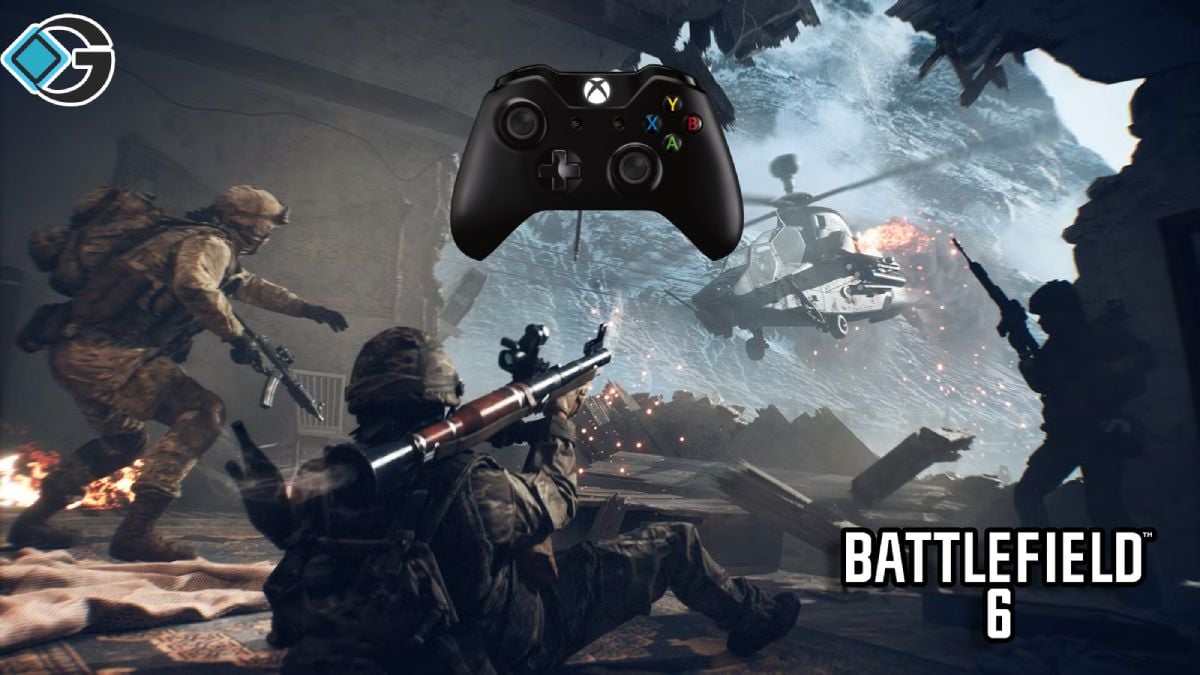
As anticipation for Battlefield 6 grows, one design decision has piqued the community’s interest as creators want aim-assist to feel more “human.” Instead of relying on aim-assist help to do the heavy lifting, the goal is to support the player’s input while retaining a sense of control, competence, and responsiveness. Officials working on the project have outlined how this method will differ from what many players are used to in other shooters.
What “Humanized” Aim-Assist Means in Battlefield 6
The system is referred to internally as Aim Assist 2.0. It is based on the version used in Battlefield 2042, although with significant alterations. Unlike other shooters, Battlefield 6’s aim assist will be “very light.” This means less auto-correction of aim while a target is visible, as well as fewer obtrusive mechanics.
Certain help elements from previous Battlefield titles, such as “snap zoom,” are being taken away. Snap zoom causes the gun’s aim to jump or “snap” to a target or zoom level while aiming, which some players found to reduce nuance or make the controller aim feel too robotic.
Also, developers state that there will be no “rotational aim assist,” which is more automated turning or tracking for you when aiming. Importantly, player input remains central: you must aim, adjust, and pull the trigger. The assist helps, but it does not “play for you.” The developers want eliminations to feel justified.
Why Aim-Assist Is Such a Big Bone of Contention in Multiplayer FPS Games
Aim assist has long been a focal point of debate for multiplayer FPS games, especially those supporting both PC and console, or cross-play. Here’s why it’s a hot topic, and why Battlefield 6’s approach is especially interesting:
- Differences in Input Devices
Controllers have analog sticks, which are less precise than a mouse. Aim assist helps compensate for that lack of precision. But striking the right balance is hard: too much assist = feels unfair; too little = feels broken or uncompetitive. - Cross-play Tensions
When players using controllers compete against players using mouse & keyboard (MnK), aim assist becomes a lightning rod. MnK players often see assists as giving an “unearned” advantage to controller users. Many games try to mitigate this by separating matches or adjusting assist strength, but no solution is universally accepted. - “Skill Versus Automation” Debate
At what point does Aim Assist stop being just “assist” and start doing parts of the job for you? Players want their reflexes, aim, and positioning to matter. When aim-assist is heavy or produces “auto-correction,” some players feel the system is stealing their skill or making victories hollow. - Perception & Fairness
Even subtle differences in assist behavior (e.g., how strongly aim “snaps” to a target, or how quickly it slows down your aim when a target is nearby) are very noticeable to skilled players, and they influence things like competitive fairness, esports viability, and general player satisfaction. - Comparisons with Other Big FPS Titles
Titles like Call of Duty are often used as reference points because many players feel their aim assist is stronger/“stickier.” When Battlefield 6 is compared to them, community expectations (and concerns) go up. These comparisons raise the stakes: players compare feel, responsiveness, “who got the kill,” etc. Developers have already been asked to explain how BF6 aim assist will differ from CoD.
How Battlefield 6’s Approach Might Influence Player Experience
Given the design goals laid out by the developers, here are some of the likely effects on gameplay and community reactions:
More discernible skill: Matches might feel more rewarding when you land shots through aim, not because the system corrected every little error.
Less feeling of “rubber banding” or “magnet aim.”: Players who dislike feeling pulled or snapped onto targets will likely appreciate the lighter, more humanized assist.
Potentially steeper learning curve for new controller players: Because assist won’t do as much work, new players may struggle more early on, but once they adjust, the skill ceiling could feel more satisfying.
More transparency & comparison: Players will be testing and comparing BF6 vs CoD vs older Battlefield titles for how the aim assist behaves. Video comparisons and community feedback will be powerful.
The “humanizing” aim assist in Battlefield 6 indicates that the developers are listening to long-standing disagreements in FPS communities. The idea is to find a balance by reducing some automated support features, removing snap-to-zoom and rotational tracking, and stressing player input: controllers feel competitive but not overly so. For fans who seek control, fairness, and satisfaction in every shot, Battlefield 6’s approach could be just what they’ve been looking for.