




A single rule from PlayStation’s Terms of Service has set gaming social media on fire this weekend, and the panic is easy to understand. Section 21 spells out that Sony can close inactive PSN accounts, and with Sony killing off disc production, people are doing the math on what an all-digital future really means for the games they paid for.
Section 21 Of The PlayStation Terms Of Service

The clause everyone is sharing is 21.2. If you don’t touch your account for 36 months, Sony may begin closing it. Before anything happens, the company says it will email the address tied to your account and give you a 6-month window to either log back in or tell them to keep it open. Miss that window, and 21.3 kicks in. Once the account is closed, you lose access to PlayStation Network and to every digital game, DLC, and add-on attached to it. Sony describes the closure as irreversible, which is the part that stings.
This Is Blowing Up Right Now
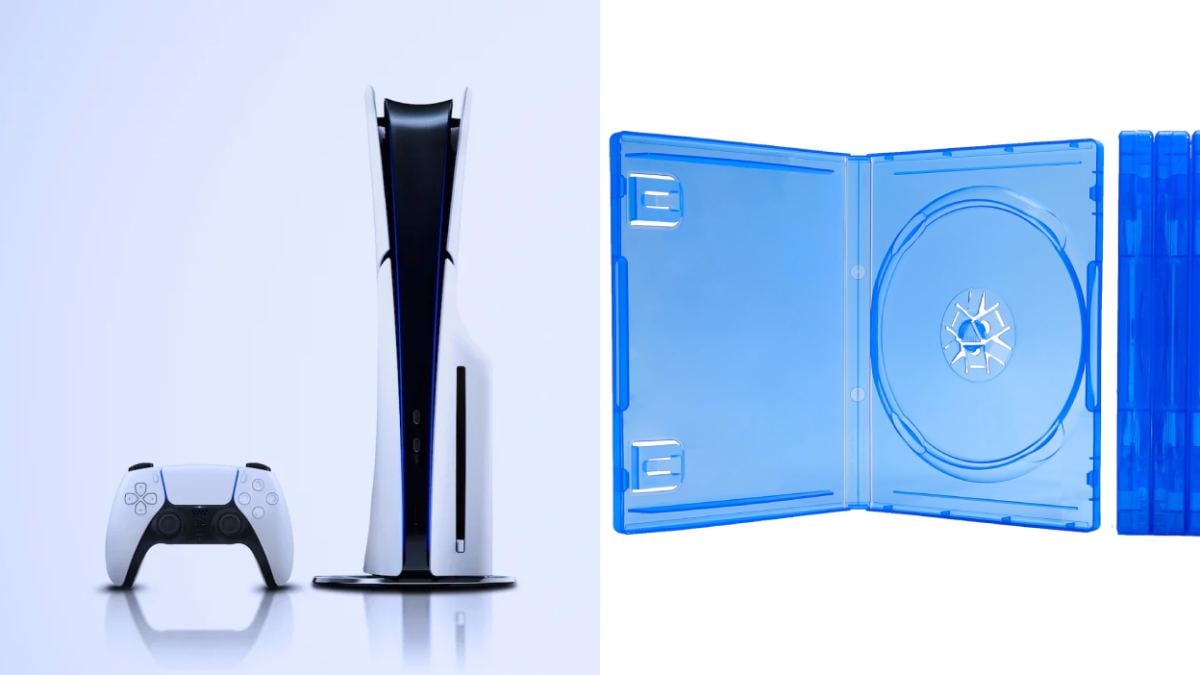
Timing is everything. Sony recently confirmed it is winding down physical disc production, which pushes basically the whole library toward digital. When your entire collection lives on an account instead of a shelf, a line about that account being closable suddenly reads very differently. So a rule that sat quietly in the fine print for years is now getting screenshotted, quote-tweeted, and treated like breaking news.
Is This A New April 2026 Change? Not Really

So, this is the part the viral posts conveniently leave out. This is not a new addition to the terms and conditions. The exact same 36-month inactivity rule appears in PlayStation’s Terms, going back to at least January 2023, just under a different section number. April 2026 was a general update to the document, and the clause simply moved. So the correct take is that people are noticing an old policy, not that Sony slipped a new one past everyone.
Does This Actually Apply To You?
The answer is “probably not in the way you fear.” The rule is tied heavily to European regulation, and in the United States, Sony generally can’t close your account for inactivity alone unless you break other terms. This is also standard across the industry. Microsoft uses a two-year window, and Ubisoft uses one, all driven by the same kind of consumer data law. On top of that, the language says Sony “may” close accounts, not “will,” and real users routinely report leaving accounts idle for three years or longer without anything happening.
How To Keep Your PSN Account Safe

If you want zero risk, the fix is way too simple. Sign in every once in a while. A single login resets the clock, and even signing in on the PlayStation app or the web store counts as using the account. You do not need to buy anything or even boot up a game. Just make sure the account never goes cold for three straight years, and keep the email on your account current so you would actually see the warning if it ever arrived.
The reason this clause hits a nerve has less to do with the odds of losing your account and more to do with the direction things are heading. Discs gave you something physical to hold onto. Digital libraries live entirely on terms that companies write and rewrite. Section 21 has not changed much, but the stakes around it have, and that shift is exactly why a year-old paragraph is suddenly the most talked-about thing in gaming this week.