
US Representative Ritchie Torres wants players to have stronger rights over the games they buy. On October 15, he announced plans to introduce the Power To The Players Act, challenging a business model that lets publishers sell access through revocable licenses. His message: “When you pay for a game, you should own it.”
In brief:
- Torres’ proposal aims to protect players’ ability to own, play, and transfer purchased games.
- Games with online functionality would need an offline mode before their servers shut down.
- Sony has announced that physical discs for new PlayStation releases will end in January 2028.
- PlayStation’s terms explicitly describe digital purchases as licenses rather than product ownership.
What Would the Power To The Players Act Change?
According to Torres’ announcement, the proposed legislation would direct the Federal Trade Commission to establish rules protecting game ownership. Purchases would grant ownership rather than simply permission to play, with protections for resale and continued access.
Torres describes games that can disappear when a company ends support as “a rental disguised as a sale.” His proposal would require an offline mode before supporting servers close, giving players a way to keep playing after a publisher moves on.
Paying full price comes with an expectation that a game will remain available to revisit. Server-dependent games can put that decision in the publisher’s hands.
Sony Is Ending Physical Discs for New PlayStation Games in 2028
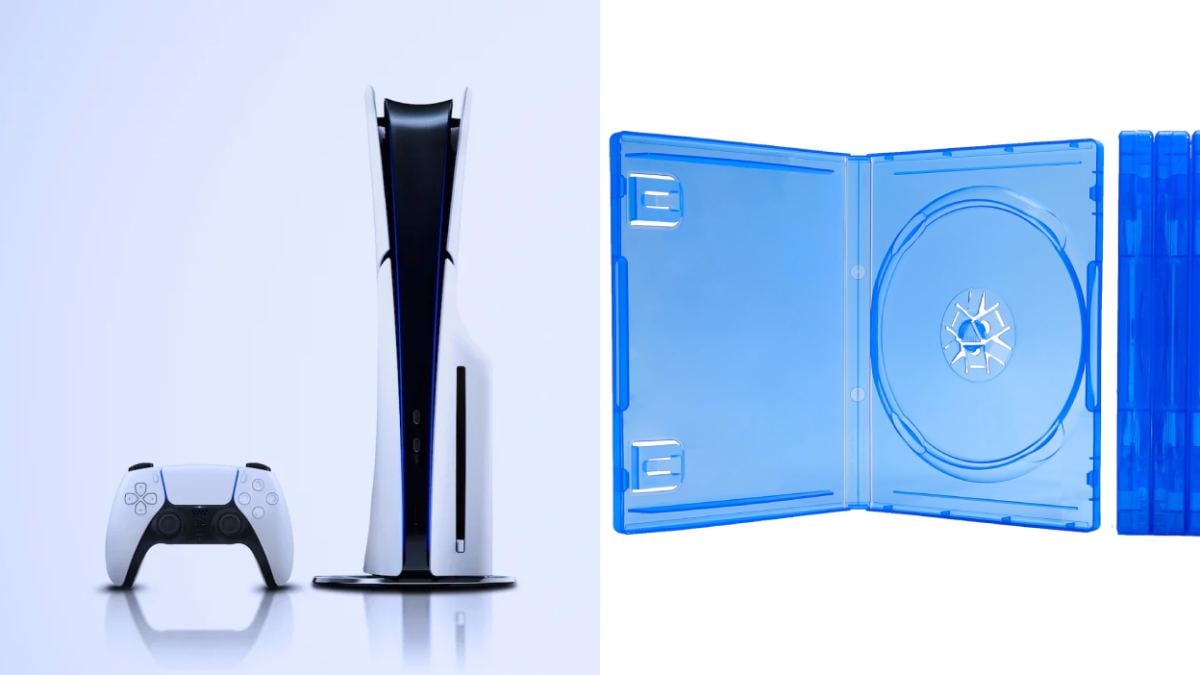
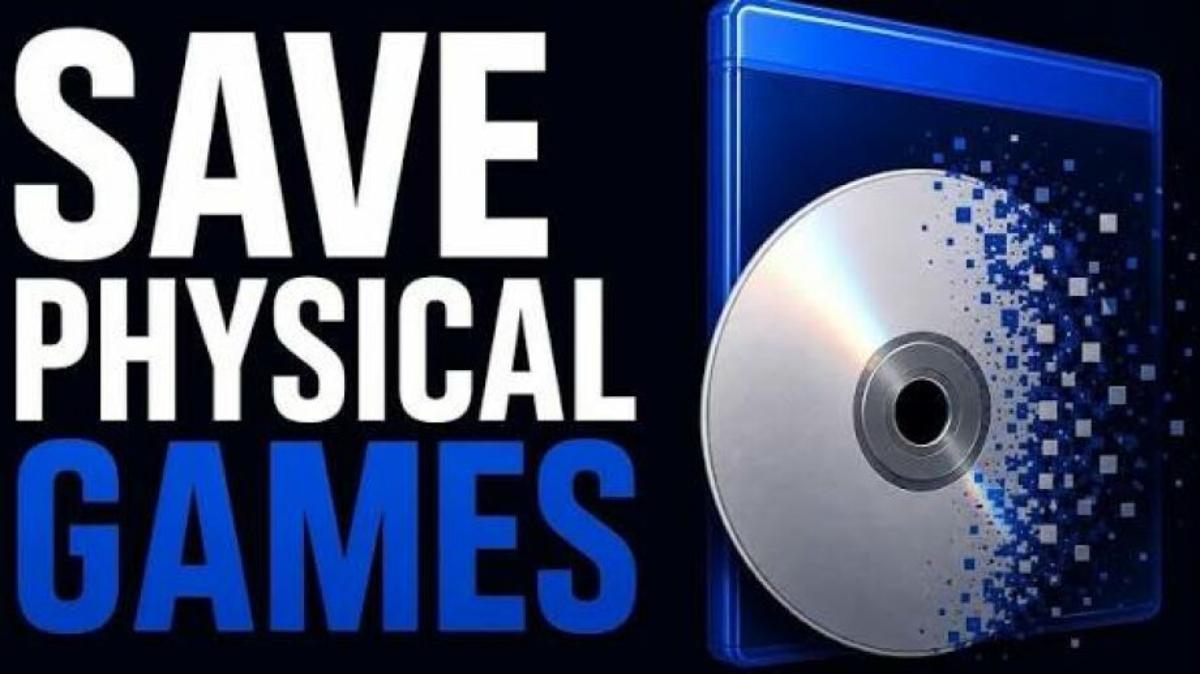
Sony’s move toward digital distribution adds another layer to the ownership debate. In a July 1 announcement, the company confirmed it will discontinue physical disc production for new games releasing on PlayStation consoles from January 2028.
The announcement came in July, and the change applies to future releases from the stated cutoff. Sony pointed to changing consumer preferences and the growing popularity of digital purchases as reasons for the decision.
Removing discs from new releases also removes a familiar option for players who prefer collecting boxed games or buying copies they can later pass along.
PlayStation Says Buying a License Does Not Mean Owning the Game
Sony’s position on digital ownership is spelled out in its PlayStation terms. Section 8.4 explains that PlayStation Store purchases provide a personal license for private, non-commercial use. It adds that customers “do not own the product.”
The terms also describe content licenses as revocable and generally non-transferable, while acknowledging that applicable local laws may require transfer rights.
So, that leaves a clear gap between the everyday idea of buying a game and the rights attached to a digital purchase. A growing digital collection can still come with restrictions on transferring games and maintaining access.
Torres’ announcement proposes changing those rights, but it describes legislation he intends to introduce. Players should treat it as a proposed reform, rather than ownership protections already in force.