



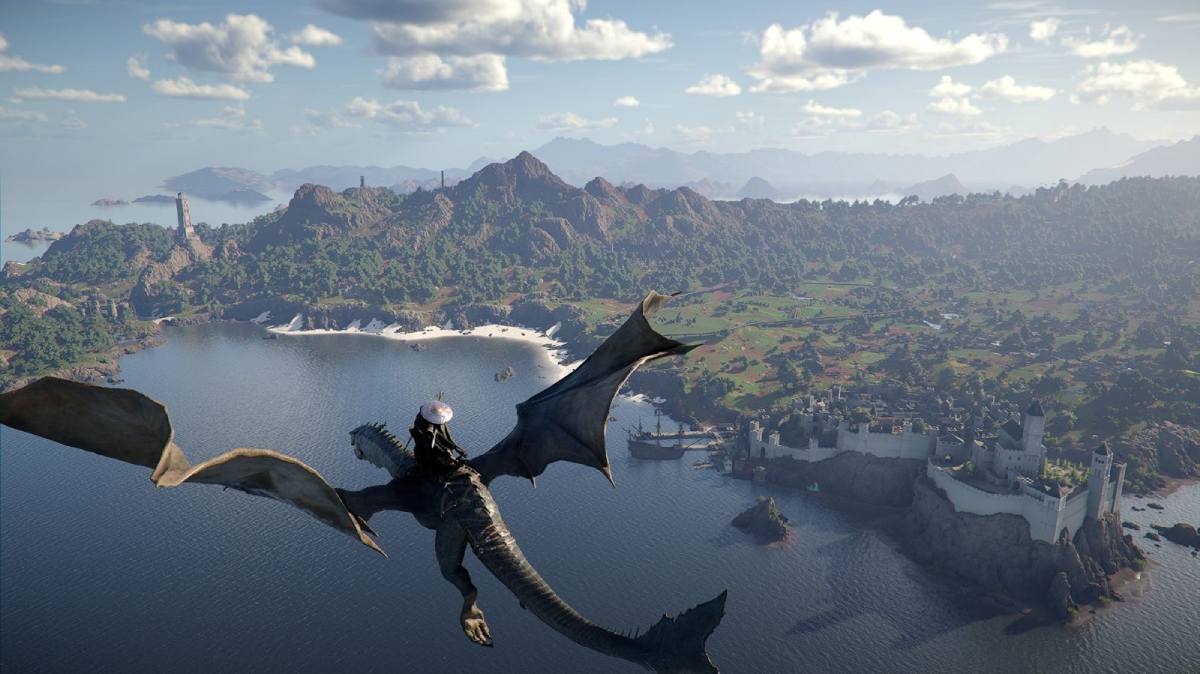
Crimson Desert throws a lot at you very early. It looks like a straightforward action RPG at first, but the deeper you get into Pywel, the more obvious it becomes that the game expects you to figure out a lot on your own. Between the layered combat system, skill unlocks, crafting, camp management, and limited inventory space, it is easy to waste time or resources just because the game never properly spells things out.
That is what makes the opening hours a little rough for new players. Crimson Desert is huge, and while that scale is one of its biggest strengths, it also means some of the most useful beginner tricks are hidden in menus, side systems, or half-explained mechanics. If you want your first few hours with Kliff to feel smoother, these are the tips that matter most.
Learn the basics of defense before chasing flashy combos
Crimson Desert looks chaotic in motion, so many new players naturally focus on offense first. That is a mistake. The combat system is built around reading enemy actions, guarding properly, and creating openings instead of just mashing attacks. Pearl Abyss’ official combat overview makes it clear that fights are designed around chaining skills, timing, and adapting on the fly, not just raw aggression.
The biggest early lesson is that parrying is not simply handed to you in a clean tutorial flow. Several guides point out that you need to unlock and improve key defensive skills, such as Keen Senses, before parry and related counter options fully open up. In practice, that means some players spend hours assuming the defensive system is shallower than it actually is. It is not. If a boss is giving you trouble, stop trying to out damage it and start learning the timing windows around guard, parry, and counterplay.
Spend your early progression on health and stamina, not random upgrades
Crimson Desert gives you multiple ways to grow stronger, but not every upgrade has the same value in the early game. Several current guides recommend putting your first Abyss Artifacts into health and stamina, and that advice makes a lot of sense because stamina affects far more than sprinting. It also influences how comfortably you can block, evade, attack, and recover during longer fights.
This is one of those systems the game does not emphasize enough. New players often see shiny skill branches and start spending resources everywhere. The smarter move is to build a safer foundation first. More stamina gives you room to make mistakes, and more health keeps difficult early encounters from turning into constant resets. Once your base survivability feels good, then you can start experimenting with more specialized skill paths.
Do not ignore basic skills just because they seem boring
A lot of Crimson Desert’s most useful early tools are not the cinematic-looking abilities. They are the plain, practical skills that improve movement, control, defense, or gathering efficiency. Multiple guides stress that the simple foundational abilities end up carrying your early game far more than the flashy ones.
That matters because Crimson Desert is the kind of game where a utility skill can solve three problems at once. Some abilities help in combat and traversal, while others quietly make exploration or resource gathering much less tedious. If a skill sounds basic, do not skip it. In this game, basic often means essential.
Inventory space is a real early game problem
One of the most common complaints on launch day coverage is inventory management. Crimson Desert throws a huge amount of loot, crafting materials, and side content at you, but your storage does not feel generous in the opening stretch.
The game does not do a great job of telling you how important it is to fix this problem early. You can earn more inventory space through Requests, and some shops also sell Small Bags that add inventory slots. That means side tasks are not just filler, and certain cheap vendor items are more valuable than they first appear. Expanding your carrying capacity early makes everything else less annoying, especially when you start gathering materials regularly.
Your camp is more important than the game first makes it seem
It is easy to treat the Greymane camp like a side feature and move on. That would be another mistake. Epic’s current guide highlights camp dispatch missions as a major source of ingredients and materials, with expeditions bringing back large amounts of useful resources. Over time, camp systems also open the door to broader management features such as farming and ranching.
The key takeaway is simple. Your camp is not just flavor. It is part of your resource engine. If you keep ignoring it, you will end up spending more time grinding materials by hand than you need to. Check it often, use dispatches, and treat it as part of your regular loop instead of something you will deal with later.
Crafting and cooking are not optional side hobbies
Crimson Desert does a lot with its life skill systems, and crafting plus cooking are more useful than many players expect. Recipes are often learned by reading books and scrolls, then adding that knowledge to your menu. Food is not just nice to have, either. It directly helps you survive the world and prepare for longer outings.
The game does not always make this feel urgent in the beginning, which is why some players put it off. That usually backfires. Cooking gives you reliable sustenance, while crafting helps you keep your gear and supplies in shape. The sooner you start collecting recipes and materials with purpose, the less underpowered and underprepared you will feel.
Gathering tools matter, but skill based gathering matters too
Most players understand they need basic tools like a fishing rod, a pickaxe, or a logging axe. What is less obvious is that Crimson Desert also lets you gather resources through skill progression. The Force Current ability in the green Spirit branch can be used to destroy trees and mineral deposits once you meet its requirements, giving you another way to collect materials efficiently.
That is a great example of how Crimson Desert hides practical utility inside its progression systems. A skill that sounds combat-focused can end up saving you a lot of time in the open world. So when you read skill descriptions, think beyond fights. Ask what else that ability might help you do. In Crimson Desert, the answer is often more than you expect.
Get comfortable with the idea of leaving and coming back later
Crimson Desert does not always scale its difficulty in a way that feels gentle. Several reviewers and beginner guides mention that regular fights can feel manageable, only for a boss encounter to suddenly spike hard. That can make new players feel like they are playing wrong when really the game just expects a bit more patience and preparation.
One of the best habits you can build is knowing when to walk away. Go explore. Pick up resources. Improve your gear. Unlock a few more core skills. Come back stronger. Crimson Desert is built as a wide-open sandbox as much as it is a story-driven action game, and some of its hardest moments become much more manageable when you stop forcing progress in a straight line.
Exploration usually pays off more than rushing the main path
More than one review has made the same point about Crimson Desert. The game shines when you wander off and engage with its systems instead of tunnel visioning the main story. That is useful advice for beginners because the game can feel overwhelming if you treat everything outside the main quest as a distraction. In reality, those side activities are often where you get better gear, more materials, more knowledge, and a stronger grasp of how Pywel works.
Exploration is also how you find recipes, vendors, extra resources, and systems the game barely introduces. So do not play Crimson Desert like a corridor action game. Slow down, poke around towns, talk to merchants, and look at what different settlements offer. The world is trying to hand you advantages, but it rarely shouts about them.
Pay attention to patch notes because some confusing systems are already being adjusted
Since launch, Pearl Abyss has already started patching usability issues tied to skills and menus. Version 1.00.02 specifically mentions improvements to the Watch and Learn skill feature and adjustments to skill menu readability, which tells you that even the developers know some of these systems were not as clear as they should have been.
That is worth keeping in mind as a beginner. If something feels weirdly hidden or awkward, it may not just be you. Crimson Desert is massive, ambitious, and a little messy around the edges. Following official patch notes can save you from holding onto outdated assumptions about how a feature works.
Crimson Desert is not the kind of game that explains itself perfectly. It gives you an enormous world, a deep combat system, and a mountain of systems to experiment with, then mostly trusts you to connect the dots yourself. That can be frustrating at first, but once you understand its rhythm, the whole thing starts to click.
The best beginner advice is to stop thinking only about immediate damage numbers or the next story marker. Build stamina and health early, respect defense, expand your inventory, use your camp, learn cooking and crafting, and treat exploration as progression instead of a distraction. Crimson Desert does not explain these lessons clearly, but learning them early makes the whole experience a lot better.